
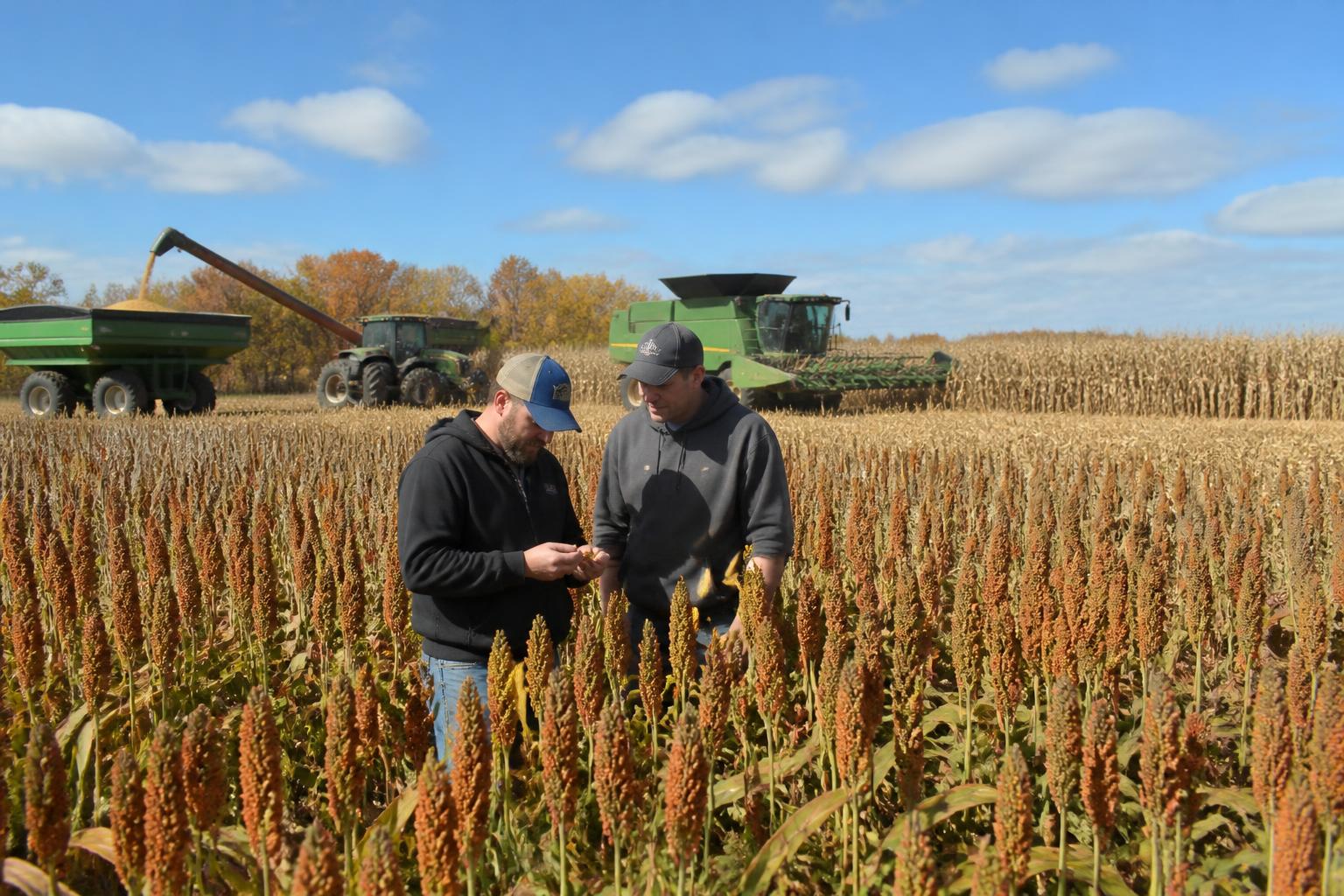
As the fall harvest progresses across South Dakota, growers are navigating a complex landscape defined by moisture needs and strategic inventory management. With sorghum harvest currently underway, producers are paying close attention to both field performance and the broader economic signals impacting their bottom lines. Scouting remains a vital tool for those across the northeastern part of the state, ensuring that field-level decisions are grounded in current, real-world data as the season matures.
Managing Inventory and Market Volatility
Market timing is top-of-mind for many as they evaluate their storage capacity. Some producers have opted to move old crop corn ahead of potential summer gluts, aiming to clear space and stabilize cash flow before the bulk of the current harvest hits the elevators. Balancing these sales with the costs of holding grain requires a keen eye on local processing capacity and regional harvest pace.
Input Costs and Transparency
Beyond the grain pile, the focus is shifting toward long-term operational resilience. Growers have voiced a clear demand for more competitive input markets, specifically regarding fertilizer pricing and availability. Legislative efforts are currently exploring new ways to increase transparency and bolster domestic production, which could eventually provide more predictability for input buyers as they look toward next spring.
Moisture Levels and Field Management
While the pace of the harvest remains steady, soil moisture continues to be a point of discussion. Many regions in South Dakota are currently reporting that crops could benefit from additional rain to support soil health and long-term land preparation. Integrating resilient crop management strategies remains essential as farmers weigh these environmental variables against their seasonal production goals.
What it means for the market
For South Dakota agribusinesses, the current environment necessitates a proactive approach to logistics and procurement. With harvest activity hitting its seasonal stride, the intersection of competitive input pricing and efficient grain movement will dictate the success of the remaining fall window. Producers should continue to monitor storage throughput and regional moisture reports to adapt their marketing strategy to changing conditions.
Comments
No comments yet - be the first to share your take.