
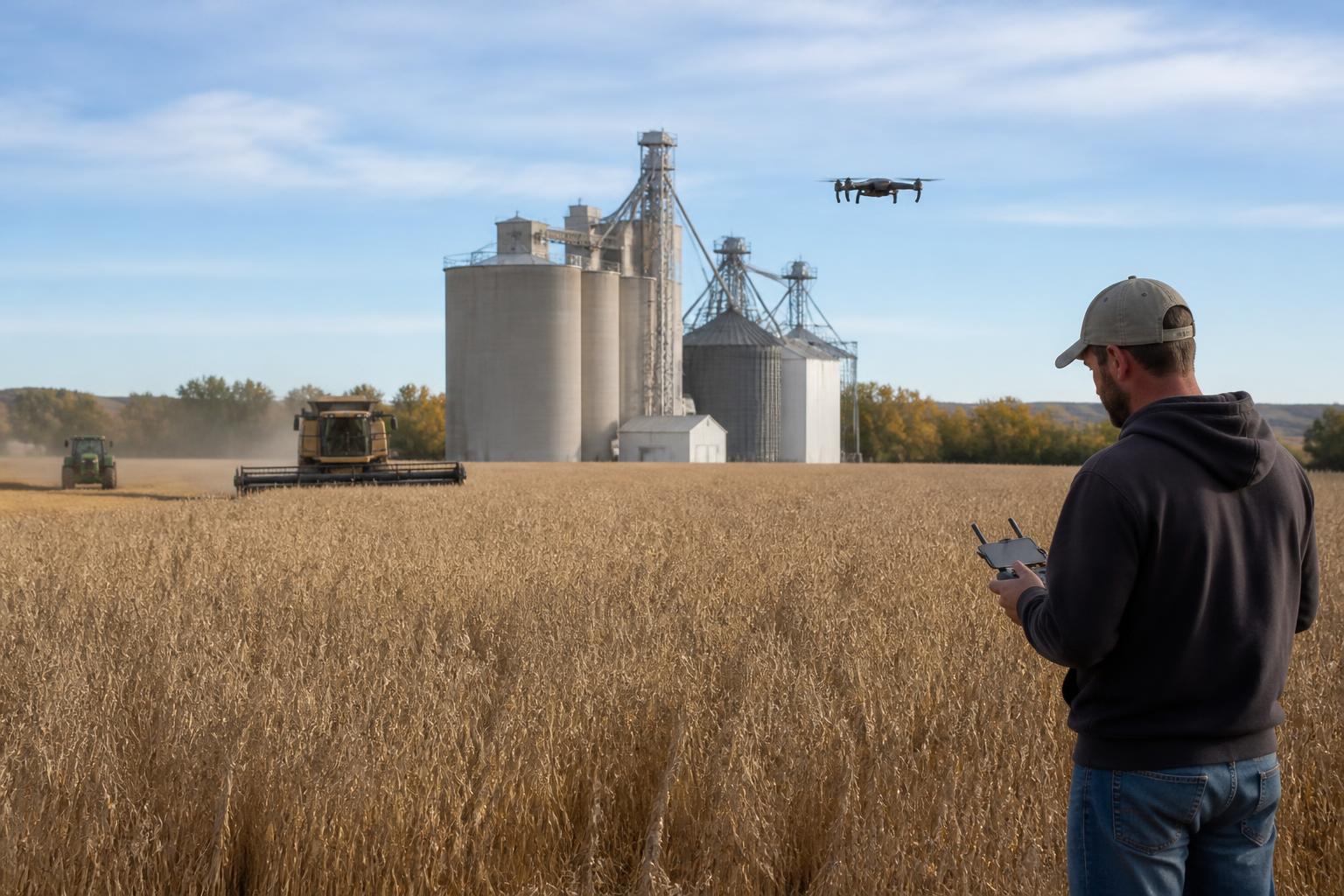
With the autumn harvest in full swing, Montana growers are shifting their focus from final field management to the complex logistics of grain handling and storage. The transition into the cooler months often brings unique challenges for agricultural operations, where balancing soil health with efficient resource management remains a top priority for producers across the state.
For many, the current season is a time to evaluate the effectiveness of past crop protection strategies while preparing infrastructure for the winter months ahead. Ensuring that storage facilities, such as the iconic grain elevators common in rural Montana, are operating at peak efficiency is essential as local traffic increases and harvest speed remains paramount.
Evaluating Protection and Soil Health
As fields are cleared, the conversation in many Montana counties has turned toward long-term land stewardship. Integrating data-driven analysis with traditional on-farm experience allows growers to better manage input costs and address localized pest or moisture issues that may have impacted the growing season. Research efforts currently underway in the state continue to explore how high-tech diagnostic tools can be applied at the field level to improve input precision for the upcoming production cycles.
Logistical Considerations for the Fall Cycle
Logistics remain a critical bottleneck for regional agribusinesses during the peak of the fall movement. Managing moisture levels and maintaining quality while grain enters the pipeline requires constant vigilance. As producers assess their crop insurance coverage and prep for late-season risk, the focus remains on mitigating potential losses during the final push of the harvest.
What it means for the market
The intersection of advanced agricultural research and practical field management in Montana is creating a more resilient framework for growers. For the market, this means that while volatility is always a factor, those who prioritize logistical efficiency and data-backed protection strategies are better positioned to navigate the current pricing environment and ensure their harvest yields reach the elevators without quality degradation.
Comments
No comments yet - be the first to share your take.