
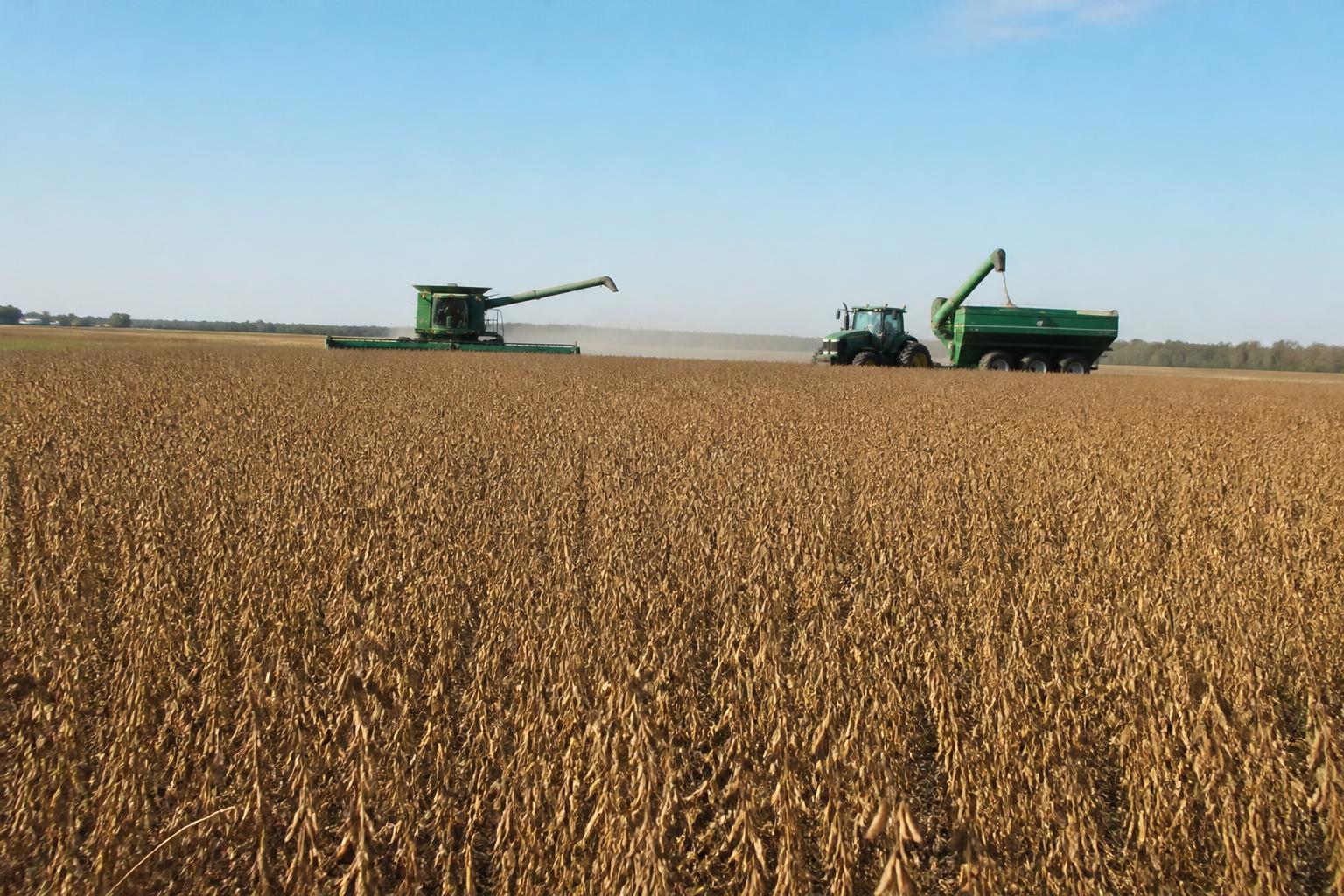
As harvest operations progress across Texas this fall, grain handlers and producers are navigating a shifting market landscape. Monitoring current grain market volatility remains a top priority, as local basis levels for corn, soybeans, and wheat often adjust in response to broader export demands and localized supply fluctuations.
Efficient movement of commodities is critical during this period of high volume. With many facilities working to optimize throughput, stakeholders are often focused on the reliability of existing infrastructure and regional supply chains to ensure grain reaches export channels without unnecessary delays. Logistics managers are keeping a close eye on terminal capacity as the season reaches its peak intensity.
Evaluating Regional Grain Movements
For many agribusinesses, managing mid-season logistics involves balancing storage space against the need to move grain to market. In some regions, the ability to capitalize on localized price basis tools can provide producers with a clearer picture of their options. Furthermore, the preparedness of export hubs often dictates the pace at which elevators can offload incoming loads from the field, directly influencing the daily flow of transport and receiving capacity.
What it means for the market
As harvest continues, the primary takeaway for Texas producers and logistics providers is the need for flexibility. With the interplay of global demand signals and regional transport capacity, maintaining close communication with local elevators and transport partners can help mitigate potential bottlenecks, ensuring that producers can effectively navigate the volatility inherent in this year's harvest season.
Comments
No comments yet - be the first to share your take.