
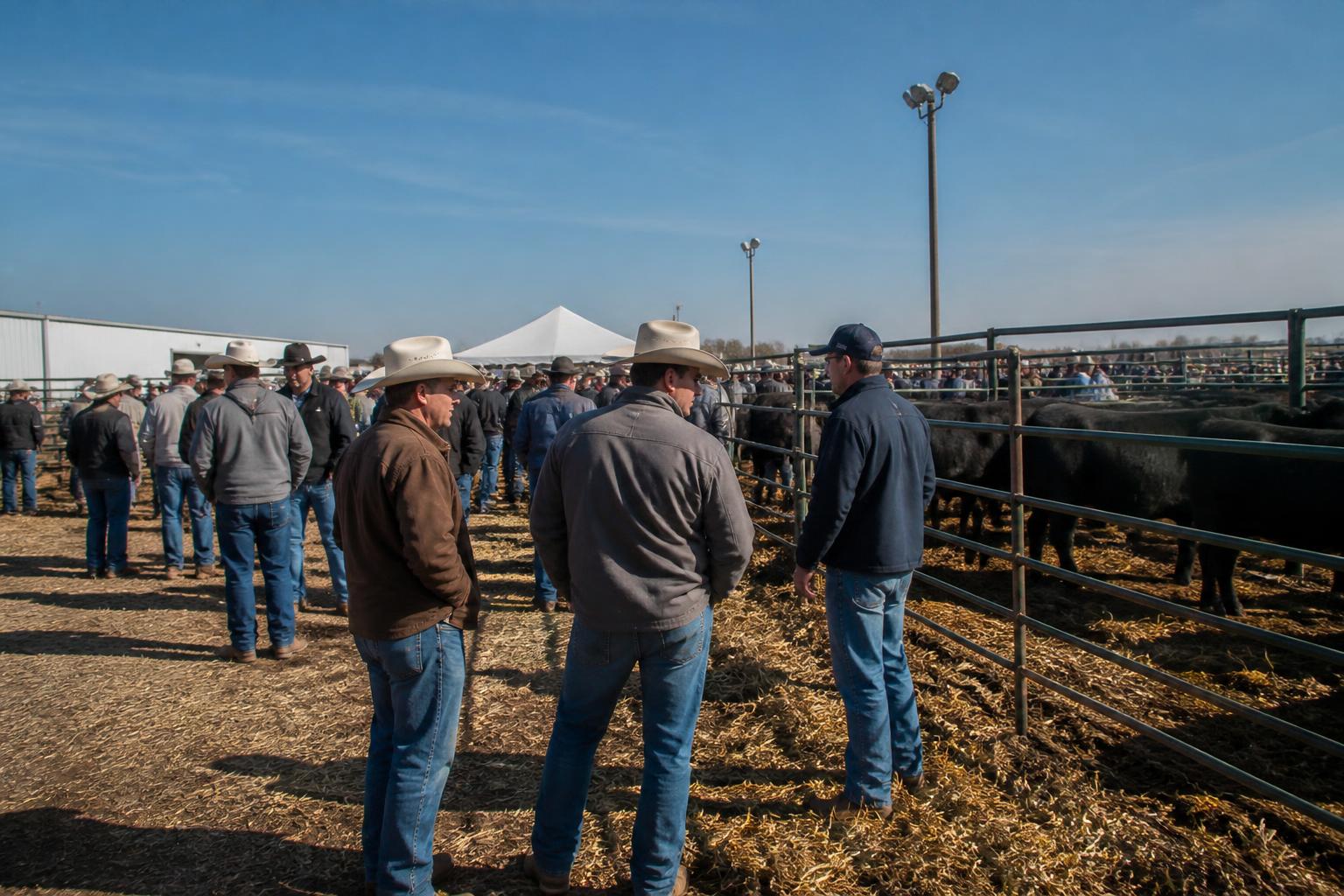
As the fall harvest progresses across Wyoming, producers and agribusinesses are navigating a complex market environment defined by regional economic variability. While local operations focus on the efficiency of grain intake and storage, the broader agricultural community is keeping a close watch on how fluctuating commodity conditions influence decision-making for the coming season.
Managing Regional Economic Pressures
For many in the state, the current market climate requires a disciplined approach to inventory management. Understanding Wyoming grain markets and liquidity is essential for producers looking to weather current economic headwinds. Balancing immediate cash flow needs with long-term storage strategies remains a priority, particularly as logistics corridors become more active during the peak of the fall movement.
Sustainability and Long-Term Viability
Beyond immediate market returns, Wyoming farmers are increasingly engaged in discussions regarding the stewardship of essential resources. Much like their counterparts in neighboring regions grappling with aquifer conservation, there is a growing focus on grassroot efforts to improve water use efficiency and operational longevity. These conservation practices are viewed by many as critical components to maintaining profitability in an era of unpredictable climate patterns and rising input costs.
Logistics and Market Readiness
With seasonal traffic intensifying, coordination between elevators and carriers remains vital to ensure smooth grain movement. Producers are encouraged to keep lines of communication open regarding storage capacity and transportation schedules. For those looking for current trading partners, reviewing updated data on grain buyers, sellers and prices in Wyoming can help ensure market alignment during this high-activity window.
What it means for the market
The current state of the Wyoming grain sector suggests a cautious outlook. By focusing on resource efficiency and maintaining strong logistical partnerships, agribusinesses can better position themselves to mitigate the risks associated with broad agricultural volatility. Success this season will likely hinge on the ability to remain flexible while balancing local market realities against broader economic shifts.
Comments
No comments yet - be the first to share your take.