
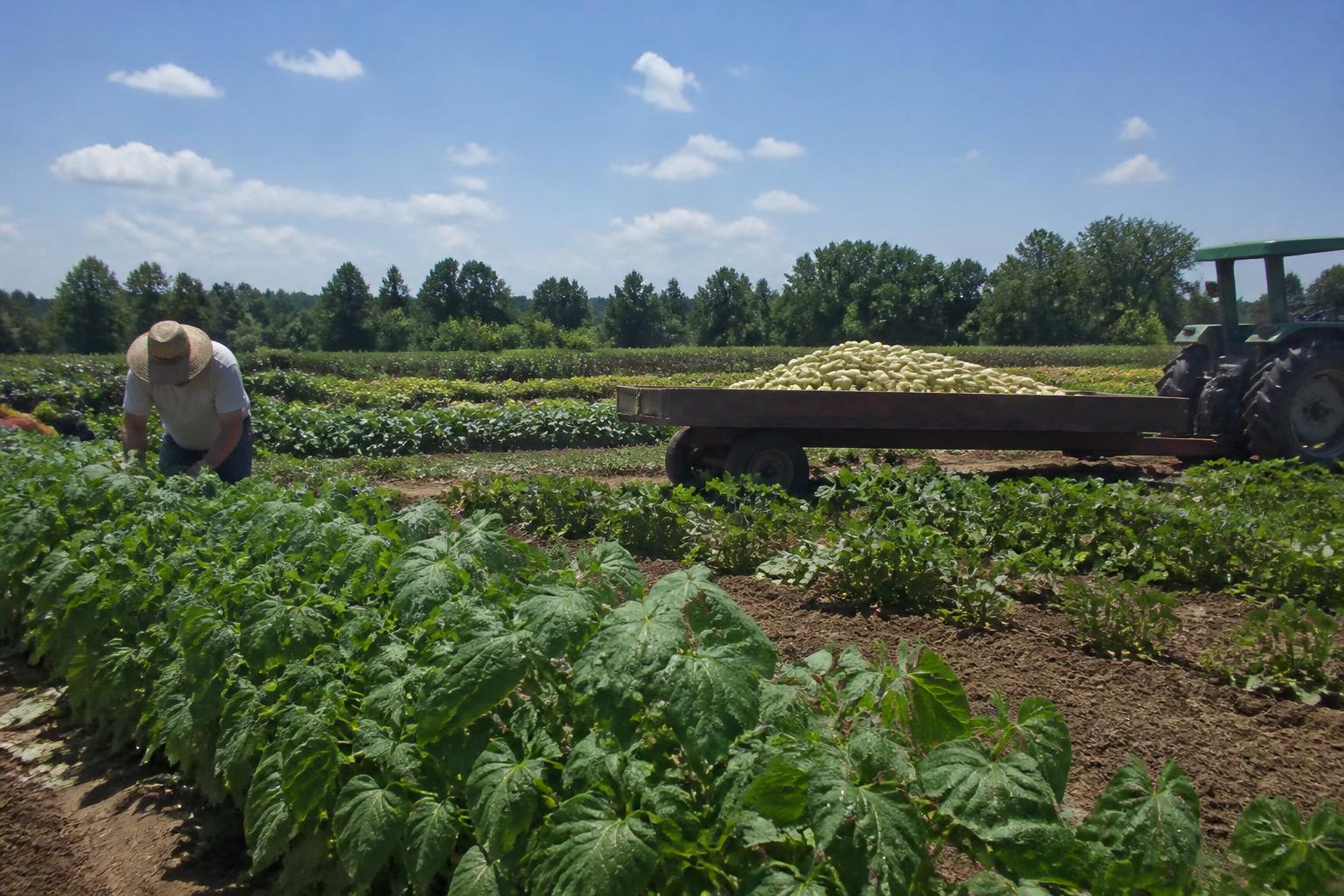
As we navigate the heart of the summer season in Alabama, the focus across our agricultural regions remains firmly on optimizing crop health and soil vitality. Producers from the Tennessee Valley to the Wiregrass are increasingly turning to sustainable practices that go beyond traditional inputs, reflecting a broader trend toward long-term land stewardship.
The Role of Regenerative Research
State-led initiatives, particularly through the Alabama Agricultural Experiment Station, continue to provide critical insights into managing local soil conditions. By integrating research on rhizosphere health and the application of value-added soil conditioners, growers are finding new ways to mitigate common stressors that typically affect crop protection strategies during the heat of July.
Building Resilience Through Partnership
Collaboration remains a cornerstone of the state's agricultural progress. Recent industry-wide efforts, such as the regenerative agriculture programs targeting the broader Southeast United States, are helping producers adopt improved soil health management techniques. These efforts are essential for maintaining stable yields in an environment where, as we have noted in previous Alabama ag watch reports, sustained summer temperatures and moisture levels remain a persistent concern for field managers.
What it means for the market: For Alabama agribusinesses and input buyers, the shift toward science-backed soil management represents a shift in demand. We are seeing a more sophisticated market for soil amendments and precision inputs, as farmers prioritize investments that offer durability against environmental stressors. Staying ahead of these research-driven trends will be key for operations looking to maintain margins in the coming seasons.
Comments
No comments yet - be the first to share your take.