
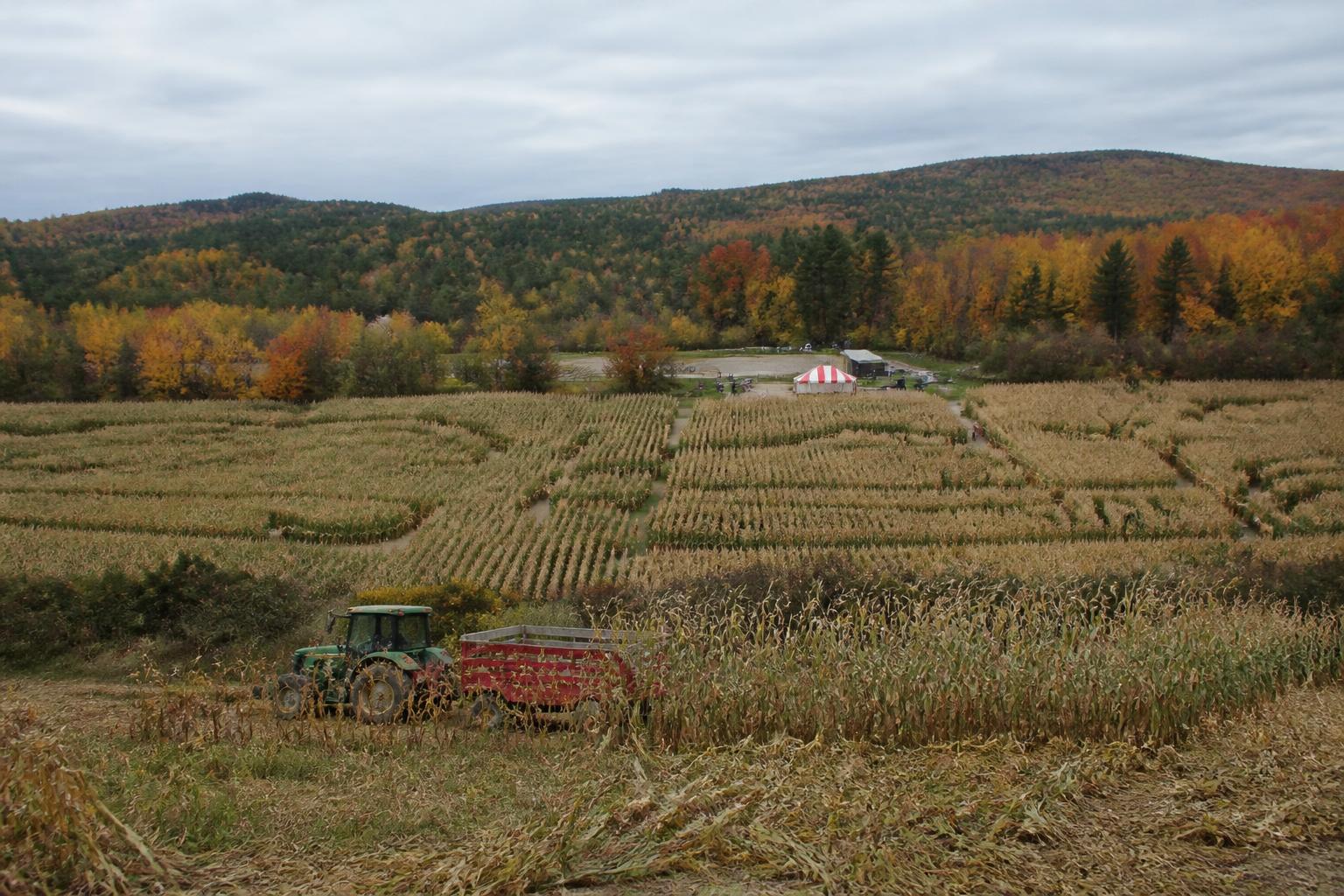
As the mid-October harvest window progresses across New Hampshire, many producers are reporting complications stemming from persistent wet weather. Recent environmental conditions have impacted crop quality, particularly for corn, leading to a challenging season for those managing both yield volumes and quality standards. Farmers in the state are increasingly balancing these immediate operational hurdles with the need for long-term strategies to maintain farm viability.
Adapting to Unpredictable Weather Patterns
Extreme weather events have become a focal point for the agricultural community in the Granite State. The current season has underscored the vulnerability of local crops to excessive moisture, which can influence everything from nutrient uptake to final harvest moisture content. For those handling grain and feed crops, prioritizing efficient storage and logistics management is essential to mitigate losses when drying conditions are less than ideal.
Resilience and Regulatory Context
Beyond the field, the policy landscape continues to shape the operational environment for New Hampshire agribusinesses. Recent discussions in the legislature regarding the use of insecticide-coated inputs for corn and soybean production have highlighted the ongoing tension between environmental stewardship and production efficiency. Additionally, as farmers look toward future planting cycles, there is a growing emphasis on climate resilience, with many producers evaluating how infrastructure investments might help insulate their operations from volatile weather cycles.
What it means for the market
For grain handlers and local suppliers, the current climate suggests a tightening in the supply of high-quality, dry corn, which may exert upward pressure on input costs for livestock producers in the region. Agribusinesses should prepare for a potentially compressed delivery schedule as growers attempt to maximize harvest output during short windows of dry weather. Focus remains on minimizing post-harvest degradation through improved storage practices and tighter coordination with regional logistics partners.
Comments
No comments yet - be the first to share your take.