
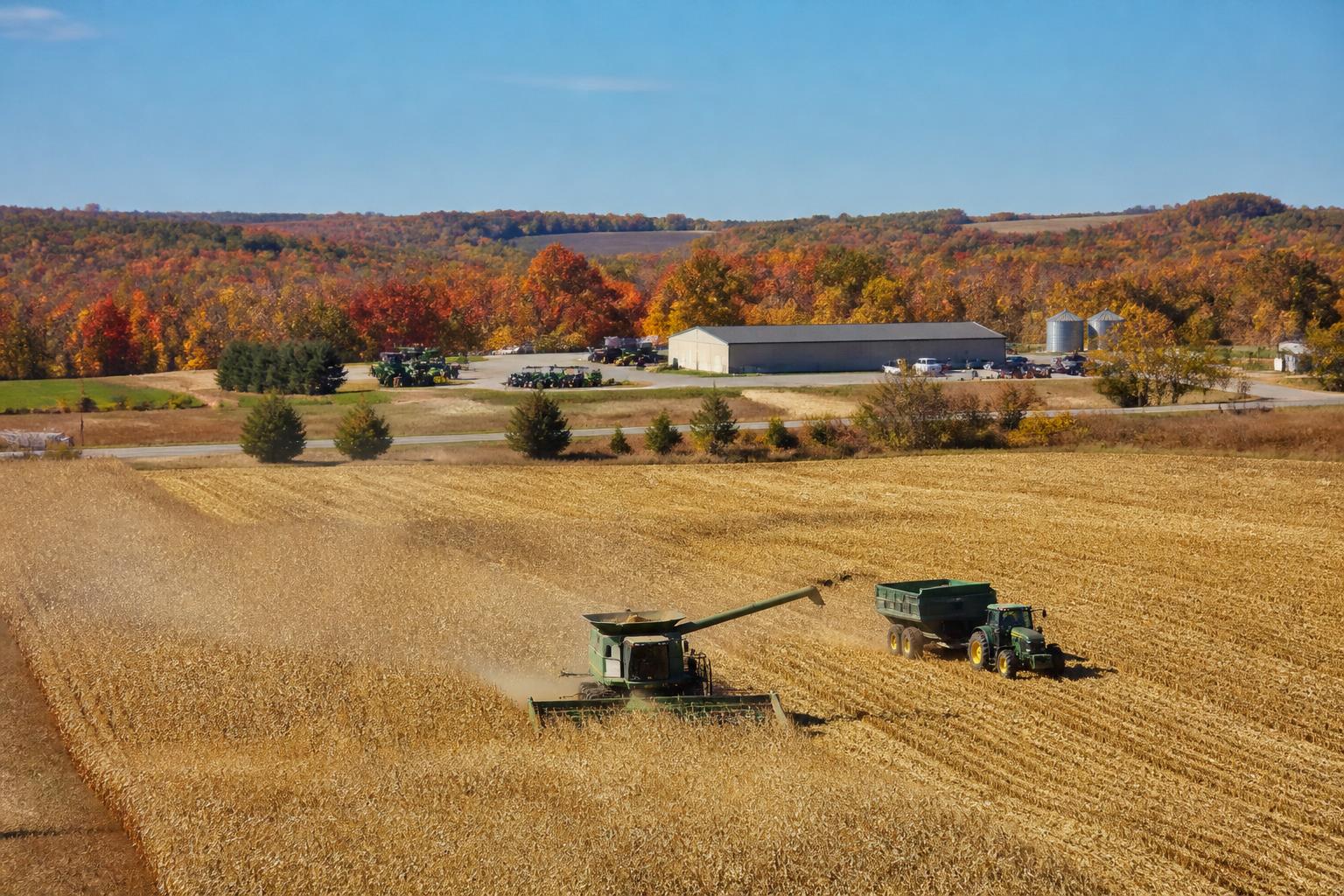
As the fall harvest accelerates across Washington, grain producers and elevator managers are increasingly focused on the critical logistical link between the field and the state's vital export terminals. Moving harvest-time volumes requires efficient coordination, particularly as infrastructure investments at key corridors continue to evolve. Recent expansions, such as those at the Tacoma port facilities, reflect a broader industry push to ensure that rail and trucking capacities can keep pace with regional production demands during peak shipping periods.
Navigating Market Pressures and Infrastructure
For many growers, the logistical challenge of the season is compounded by the need for consistent access to export markets. While terminal upgrades are improving throughput, operators often find that managing grain flow requires careful attention to seasonal rail scheduling and road-weight considerations. In areas like the Palouse, where the transport of wheat remains a primary focus, maintaining a steady pace to local elevators is essential to avoiding bottlenecks as high-volume weeks persist throughout the autumn.
Strategic Planning for Producers
Beyond logistics, producers are currently evaluating their risk management tools as they look toward the coming year. Financial experts continue to urge farmers to review crop insurance structures, including options like ECO and SCO, to better shield operations from localized volatility. With shifting trade landscapes and the potential for regulatory changes impacting the export sector, integrating these financial protections is increasingly viewed as a standard practice for maintaining long-term solvency in the Washington grain belt.
What it means for the market
For the Washington grain industry, the current environment emphasizes the importance of both structural efficiency and risk mitigation. While terminal expansions provide a more robust capacity for reaching international buyers, the ability of local agribusinesses to move product effectively remains the true driver of seasonal success. Growers who balance these logistics with proactive financial planning will likely be better positioned to navigate the complexities of the global trade environment in the months ahead.
Comments
No comments yet - be the first to share your take.