
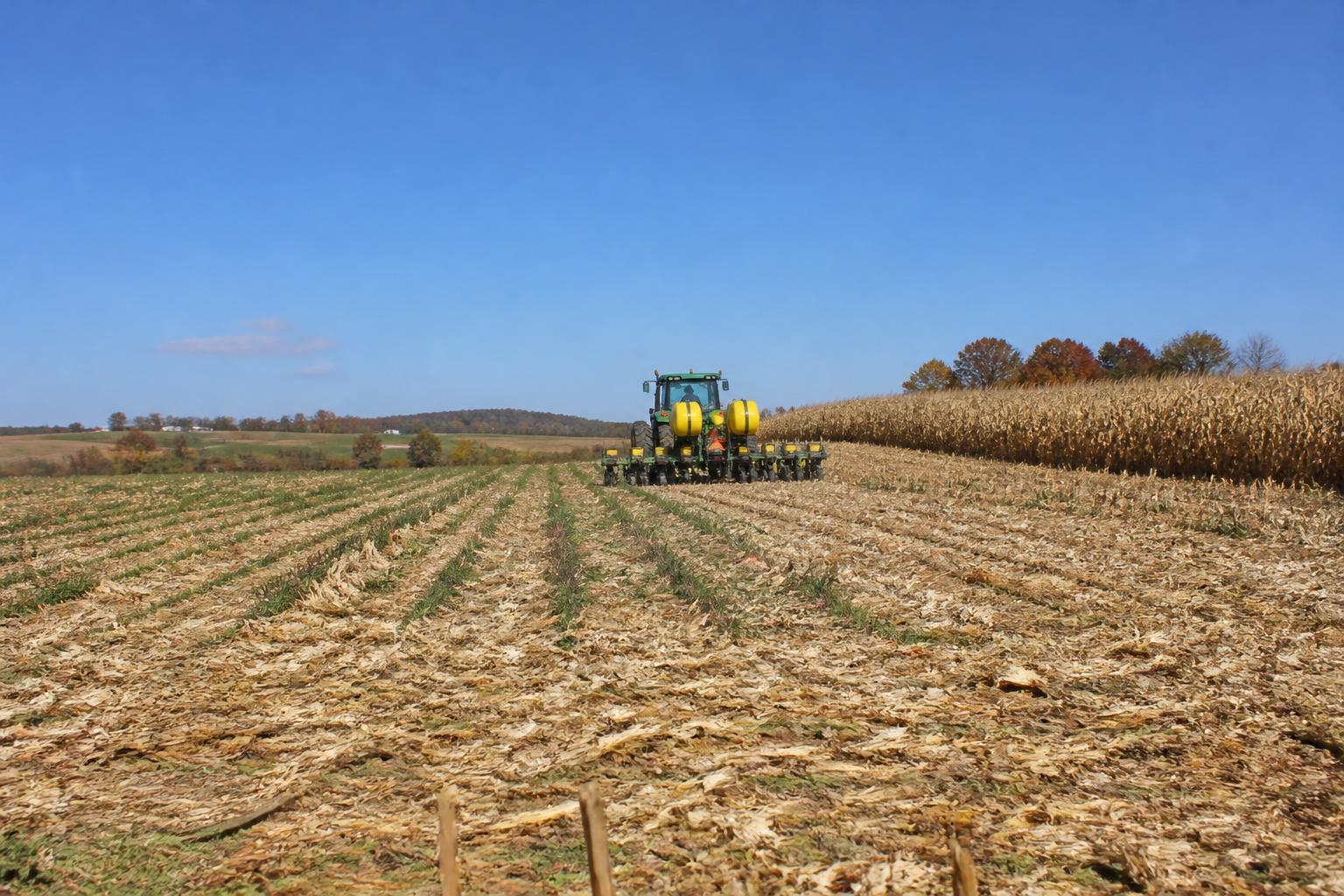
The Iowa agricultural sector is currently navigating a busy autumn period as producers prioritize field operations across the state. While the primary focus remains on successful harvest logistics, several broader economic and policy developments are shaping the conversation for agribusinesses and farm families this October.
Economic discussions have recently turned toward potential tax relief measures for the farming community. Producers are evaluating how these legislative proposals might impact their bottom lines as they close out the current production year. Given the complexities of farm finances and rising input costs, any shifts in tax policy are being watched closely by grain elevators and input suppliers as they plan for the next cycle, similar to how industry stakeholders assess the broader Iowa fertilizer market dynamics and general operational costs.
Expanding Conservation and Rural Investment
State and federal efforts continue to emphasize sustainability and infrastructure support. With an ongoing push to increase cover crop acreage, agricultural leaders are advocating for conservation efforts that can improve soil health and resilience. These initiatives are often integrated with strategic federal investments designed to bolster rural infrastructure and economic stability.
Recent federal funding allocations are targeted at supporting rural farms and local communities, which can play a vital role in maintaining the logistical framework of the state. Efficient harvest logistics remain a cornerstone of this stability, ensuring that producers can navigate market fluctuations and physical transport challenges throughout the fall season.
Building Future Leadership
Beyond immediate production and policy concerns, the industry is investing in human capital. The selection of a new class for the Iowa Corn I-LEAD program reflects a commitment to developing the next generation of agricultural leaders. This program aims to equip participants with the skills necessary to navigate the increasingly complex challenges of modern agribusiness, ensuring that Iowa remains at the forefront of agricultural innovation and advocacy.
What it means for the market
For Iowa agribusinesses and farmers, the current climate is one of cautious planning. While the immediate priority is the harvest, the intersection of potential tax adjustments and sustained investment in infrastructure and conservation provides a backdrop for long-term operational strategy. Staying informed on these trends—and how they align with current market flow—will be essential for maintaining a competitive edge throughout the remainder of the year.
Comments
No comments yet - be the first to share your take.