
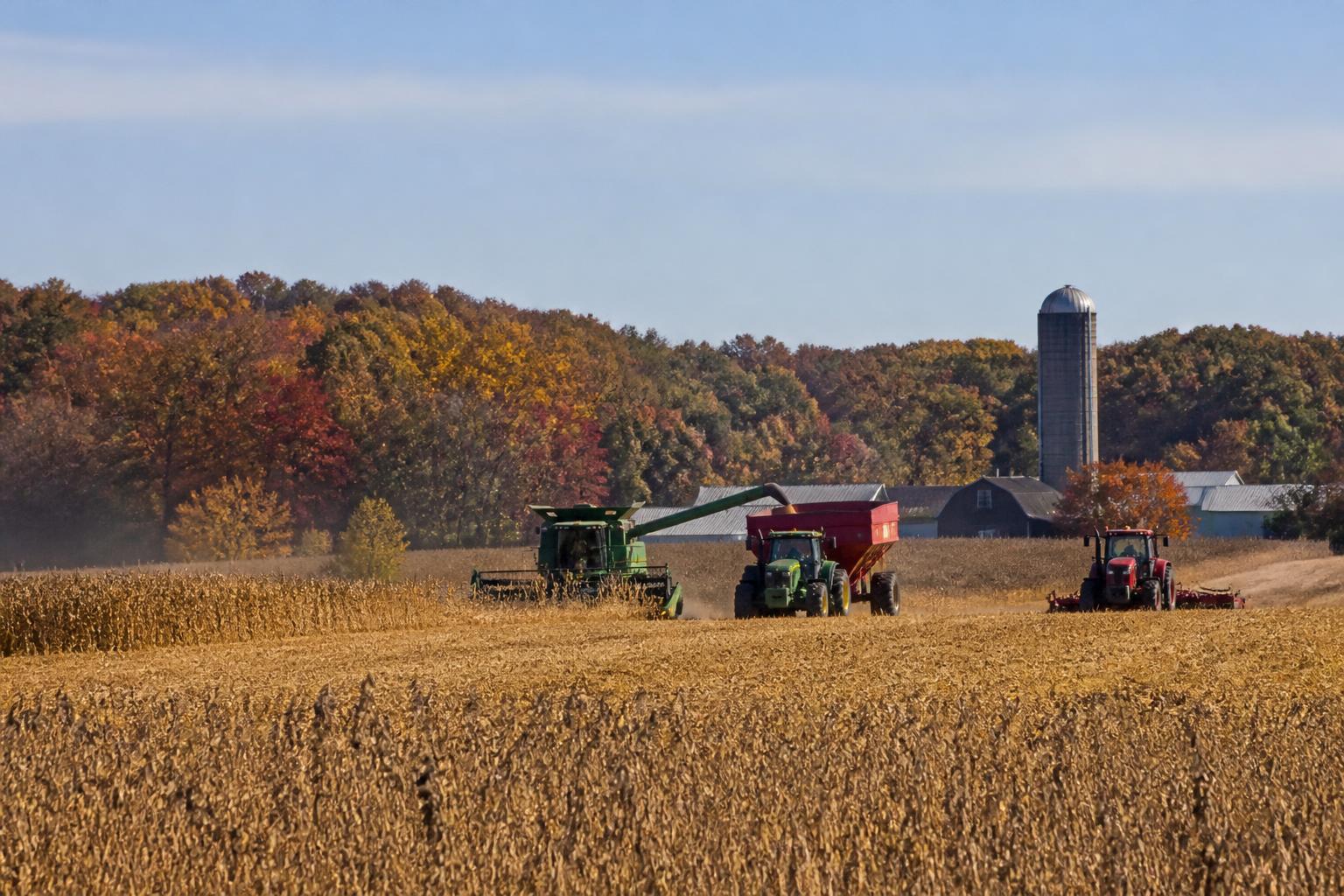
The Wisconsin harvest season is hitting its stride, with producers across the state navigating a complex landscape of operational demands and shifting market signals. As fields turn golden, farmers are keeping a close watch on regional elevators, where activity has surged in response to recent market movements. Reports indicate that local prices for corn, soybeans, and oats have trended upward as of mid-October, providing a necessary layer of support for operations managing rising input costs and seasonal logistics.
For many across the state, navigating late-season market pressures has become a focal point of current management strategies. While the uptick in commodity prices offers some reprieve, producers are also balancing these gains against the backdrop of broader agricultural policy debates and the ongoing need for efficient on-farm storage and transportation.
Harvest Logistics and Field Conditions
As equipment moves across corridors from the rolling hills of the Driftless Area to the expansive fields in the eastern reaches of the state, logistical efficiency remains paramount. High demand for grain handling capacity typically puts pressure on local infrastructure during the peak of October. Producers are reminded that optimizing grain moisture levels and coordinating timely delivery to elevators can often mitigate some of the bottlenecks associated with rapid harvest pacing.
Broader Market Influences
While local prices are responding to the immediate supply of harvested grain, producers remain mindful of international factors. The global grain market continues to experience volatility linked to geopolitical tensions, which often creates ripples in the local Wisconsin market. Additionally, policy discussions regarding land ownership and tax structures remain a topic of interest for many farm families planning for the next planting season.
What it means for the market
The current strengthening of local grain prices suggests that despite broader economic uncertainties, there is resilient demand for Wisconsin commodities. Producers should prioritize finalizing harvest logistics and evaluating their storage capacity to capitalize on the present price environment. Maintaining a flexible marketing strategy will be essential as the industry shifts its focus from harvest completion to end-of-year financial planning.
Comments
No comments yet - be the first to share your take.