
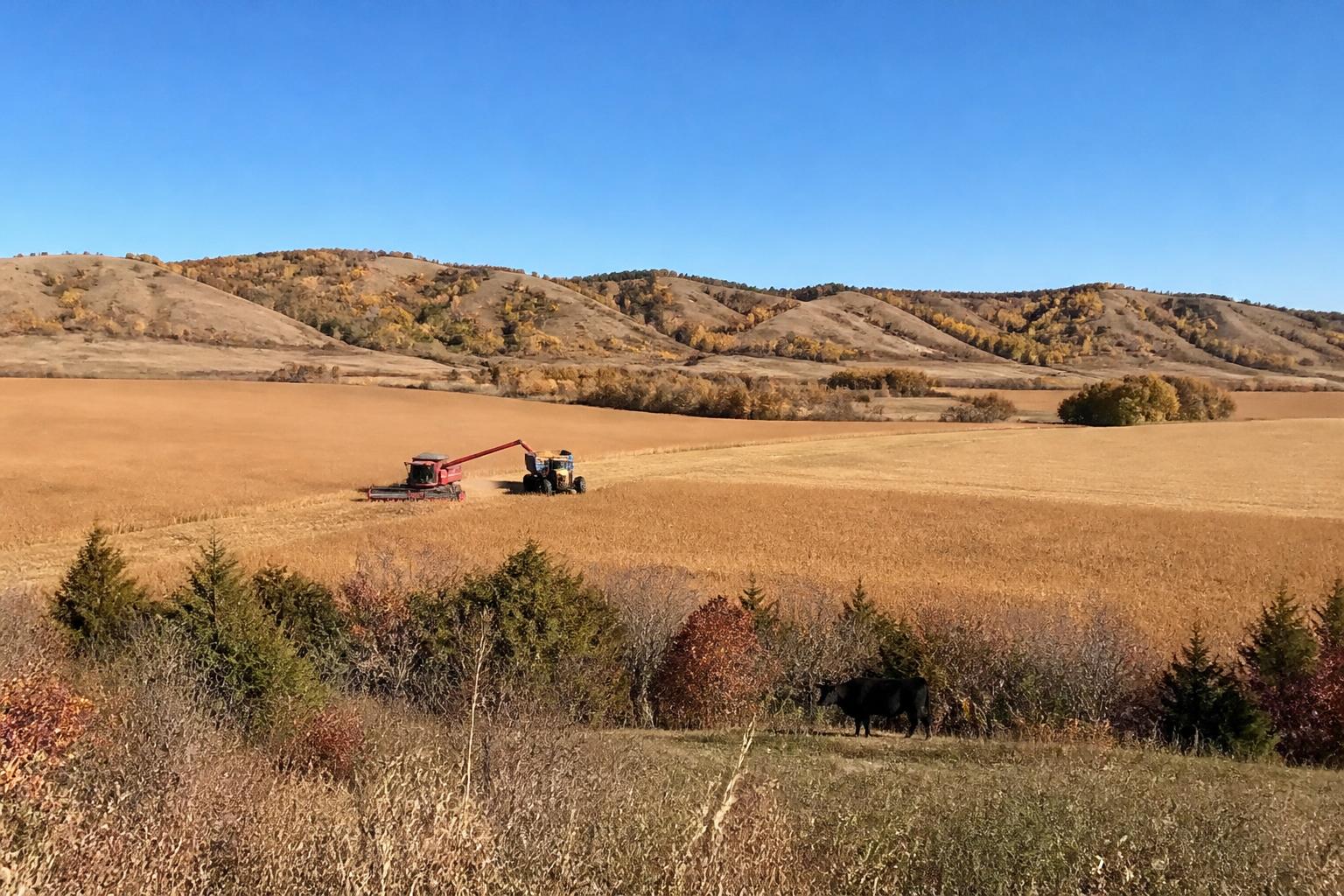
Optimizing Harvest Logistics in North Dakota
As the fall harvest intensifies across the rolling fields of North Dakota, growers are balancing the immediate demands of the field with the long-term realities of regional grain movement. Efficient logistics remain the backbone of a successful season, particularly as the state seeks to maximize throughput at local elevators and downstream processing facilities. For many producers, this involves careful coordination between trucking schedules and rail capacity to manage the steady flow of commodities from bin to buyer.
The broader regional landscape for agricultural movement is often influenced by energy infrastructure developments, which can indirectly affect transit corridors across the Midwest. While grain transport remains a primary focus, the intersection of energy logistics and agricultural freight can sometimes alter traffic patterns on key North Dakota routes, necessitating a proactive approach to transport planning. For those looking to streamline their operation, monitoring local grain pricing and buyer accessibility is an essential step in navigating the current market climate.
Adapting to Seasonal Challenges
Beyond traditional grain operations, some North Dakota producers are diversifying their focus by exploring high-tunnel and automated irrigation systems. As the industry evolves, the integration of new technologies in crop production requires a consistent supply of specialized inputs. Staying informed about the latest input innovation and supply chain hurdles is becoming as important as traditional harvest management for maintaining farm-level profitability during this transition period.
What it means for the market
The current environment suggests that growers who prioritize logistical agility and remain informed on shifting infrastructure trends may be better positioned to capitalize on market opportunities this fall. As regional capacity continues to adapt to the needs of the state, maintaining strong relationships with local handlers and staying abreast of transport shifts will be key to moving product efficiently as the winter months approach.
Comments
No comments yet - be the first to share your take.