
Expanding Cold Storage Infrastructure
Missouri's agricultural supply chain is seeing a notable shift with new infrastructure projects designed to support the state's diverse commodity output. Recent developments, including the construction of a new cold storage facility along the CPKC rail network, signal a push toward more integrated logistics solutions. For growers and agribusinesses, these additions aim to improve capacity for value-added products and provide more consistent access to broader markets, potentially easing some of the pressure on regional transport hubs.
Navigating Seasonal Logistics and Regulations
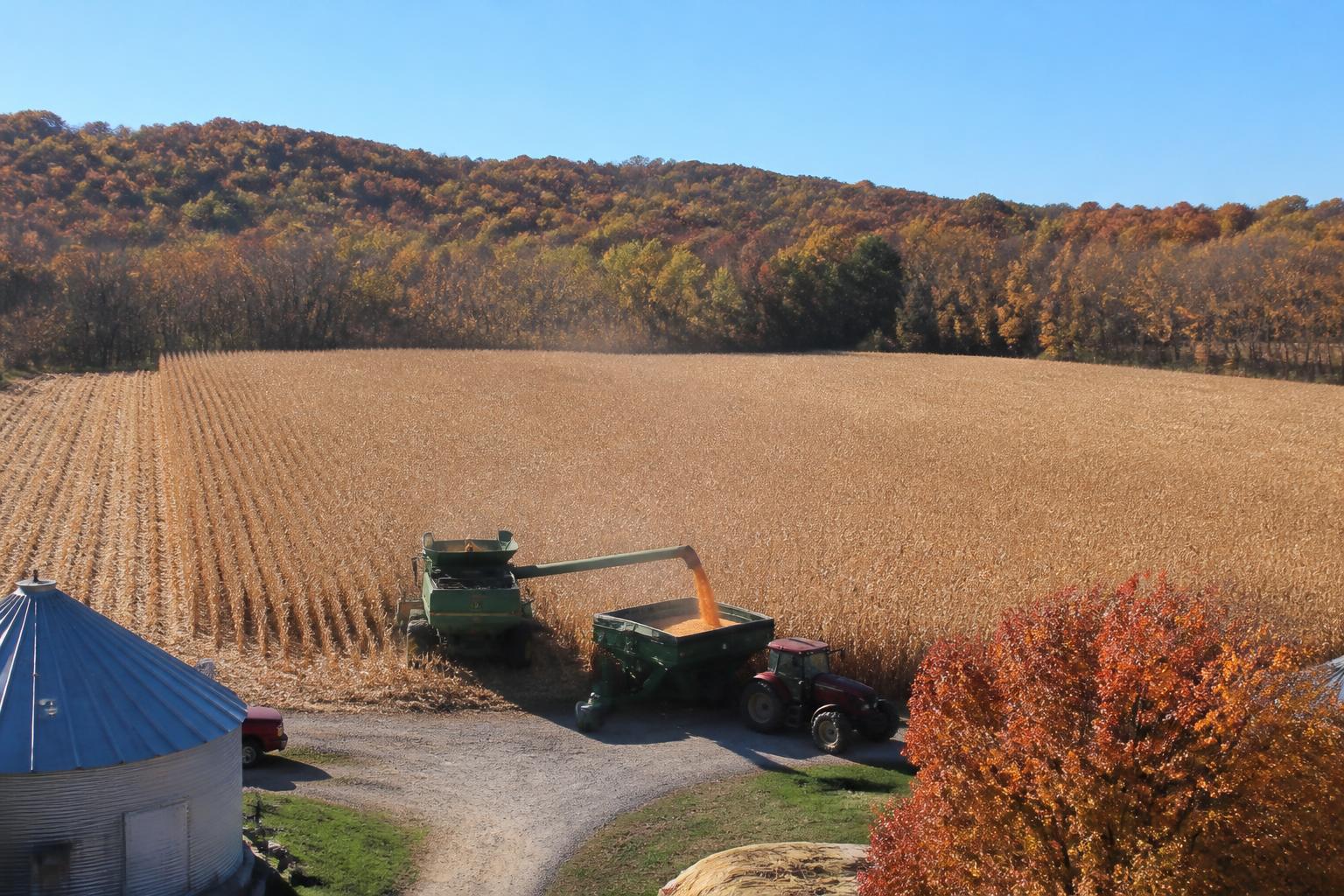
As field work reaches its peak during this October season, logistics remain a primary focus for many operators. The movement of grain from northern fields to local elevators or storage sites often requires careful coordination. In periods of high volume, producers may find temporary relief as some jurisdictions provide flexibility through the lifting of specific weight restrictions or diesel-related regulations, which helps expedite the flow of product during the critical harvest window.
Maximizing Operational Efficiency
For those managing on-farm storage or coordinating local trucking, understanding the current state of infrastructure is essential. Whether dealing with rail-linked facilities or traditional road transport, the ability to adapt to regional capacity changes can be a deciding factor in overall profitability. As the harvest cycle continues, maintaining clear communication with local storage providers and monitoring regional transport updates can assist in navigating the complexities of the current market environment.
Key Takeaways
- New rail-connected cold storage investments in the state are expanding options for regional agricultural throughput.
- Temporary lifting of certain road weight restrictions often occurs during peak harvest to support faster transport.
- Coordination with local elevators and transport providers remains key to managing mid-harvest logistics.
What it means for the market
For Missouri farmers and agribusinesses, these logistics trends reflect a broader effort to modernize how commodities are handled and shipped. While field-level decisions about yield and harvest speed remain the priority, the integration of new rail infrastructure and the strategic use of regulatory flexibility during the fall window are providing more stability in the supply chain. Operators who stay ahead of these logistical shifts are better positioned to maximize their storage capacity and optimize the movement of their crops to market.
Comments
No comments yet - be the first to share your take.