
Current Market Pulse for Colorado Producers
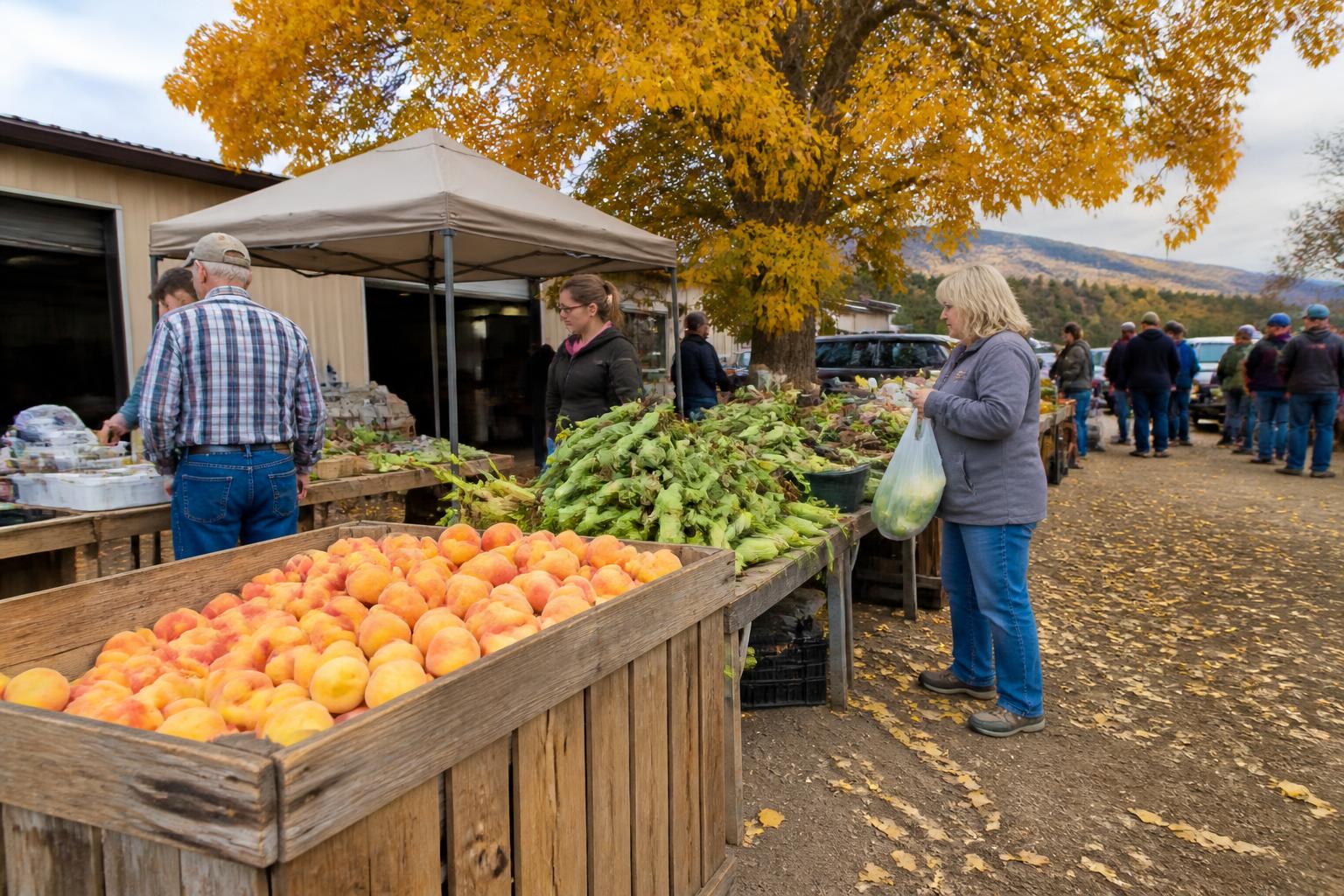
As we move through the middle of October, Colorado farmers are wrapping up a busy harvest season. From the high-value specialty crops like Olathe sweet corn and Palisade peaches that define the state's late summer and early fall landscape, the focus is now squarely on grain storage and potential market exit strategies for Colorado growers looking to lock in pricing as winter approaches.
Nationally, wheat markets are showing signs of stabilization, providing a clearer, albeit cautious, outlook for those looking to move inventory. Producers should remain vigilant as global market drivers influence local basis levels, which have recently remained steady despite mixed signals in pricing across major coastal hubs.
Monitoring Regional Price Drivers
For Colorado agribusinesses, the primary task is balancing storage capacity with the need to capitalize on current basis trends. While national headlines often point to specific export terminal fluctuations, the reality for local elevators is often tied to local transportation costs and availability. Seasonal changes in freight demand may impact margins for those moving grain to major rail corridors or regional processing facilities.
Key indicators to watch this month include:
- Global production reports affecting soft and hard red winter wheat values.
- Regional rail capacity as harvest volumes peak.
- Energy and input costs for on-farm storage and drying operations.
Logistics and Storage Strategies
With the harvest nearing completion in many of Colorado's grain-producing regions, elevator space is a critical factor. Producers who typically wait for winter price rallies must balance the immediate costs of high-interest financing against the long-term potential of stored grain. Efficient agrivoltaic and infrastructure management continues to be a topic of interest for those seeking to maximize land utility throughout the off-season.
What it means for the market
The stabilization of wheat prices offers a window of predictability for Colorado producers to finalize their year-end marketing plans. By keeping a close eye on local basis and maintaining flexible logistics arrangements, growers can mitigate risks associated with volatile shifts in grain demand. Now is the time to evaluate storage viability versus immediate delivery to ensure your operation remains profitable as we transition into the colder months.
Comments
No comments yet - be the first to share your take.