
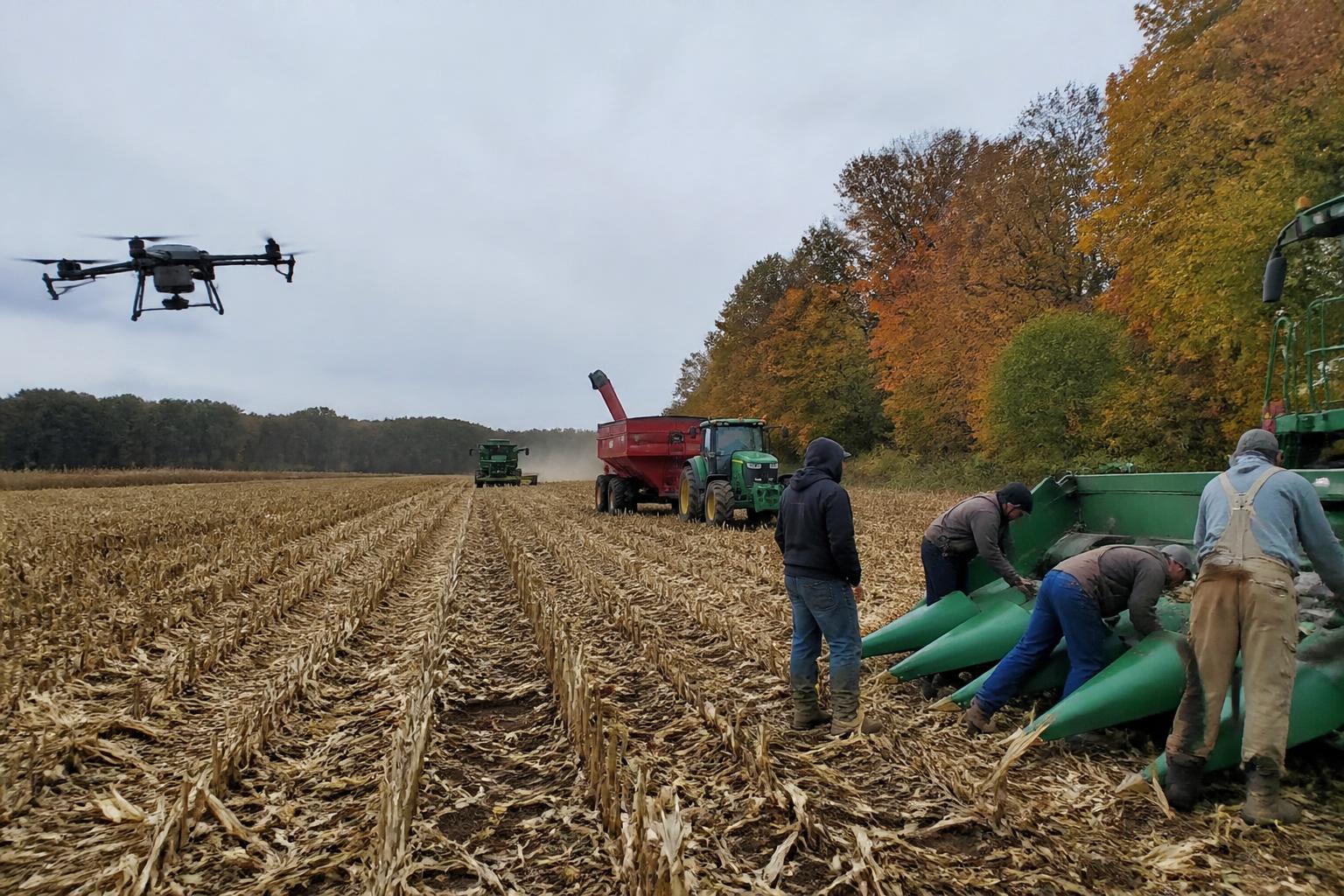
As the fall season progresses across New Jersey, the agricultural community remains focused on balancing operational costs with the realities of an evolving supply chain. From the rolling hills of Hunterdon County, where research institutions like Rutgers continue to push the boundaries of crop technology, to the broader distribution networks serving the state, stakeholders are keeping a close watch on potential disruptions and efficiency gains.
For many producers, the focus is currently on managing input expenses in a landscape where market volatility remains a concern. With recent discussions centered on curbing costs for meat and poultry and exploring innovative solutions such as climate-smart fertilizers, growers have an opportunity to reassess their procurement strategies for the upcoming cycle. Staying informed on managing input costs and market volatility in New Jersey agriculture can provide a necessary edge for farmers looking to protect their margins before the winter dormancy sets in.
Logistics and Market Stability
Infrastructure remains a critical point of discussion for local agribusinesses. While major grain export facilities appear largely insulated from broader dock worker labor concerns, regional logistics remain sensitive to seasonal demand spikes. Efficient transport and supply chain management are essential for moving harvest-time yields from the field to local retailers and larger distribution hubs throughout the Garden State.
Reflecting on Seasonal Challenges
This year has served as a reminder of the vulnerability of regional crops to unpredictable weather patterns. Spring freeze events earlier this year highlighted the importance of crop diversity and the role of research-backed farming practices. By leveraging insights from local research farms, producers are better equipped to adapt their planting and management styles to mitigate future losses from climate-related stressors.
What it means for the market
For New Jersey farmers and agribusiness owners, the current environment demands a proactive approach to procurement and risk management. By focusing on regional supply efficiencies and adopting new technology, stakeholders can better position themselves to withstand shifts in the wider agricultural market. As we head toward the close of the year, tracking both logistics bottlenecks and cost-saving inputs will be vital to maintaining stable operations.
Comments
No comments yet - be the first to share your take.