
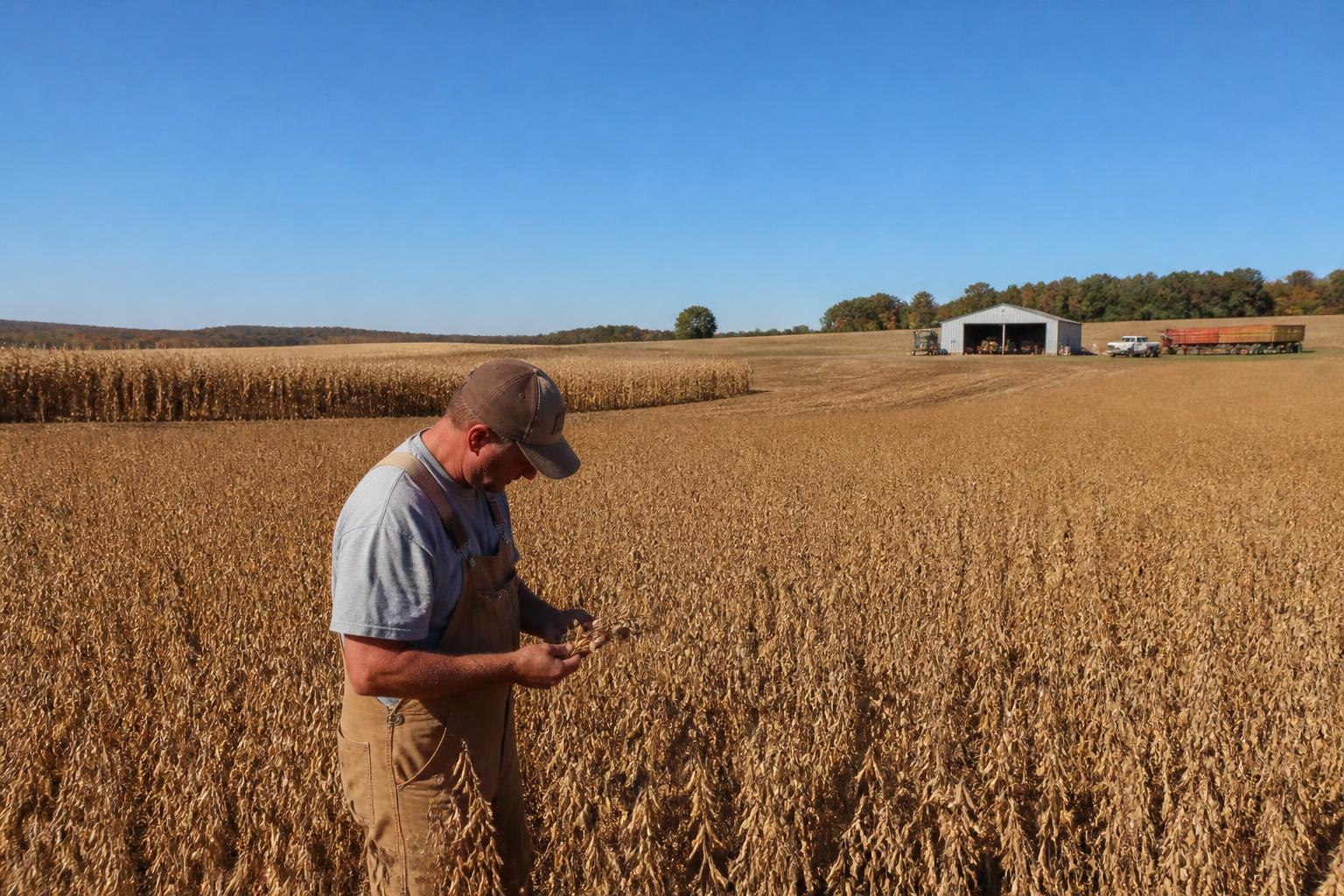
The agricultural landscape across North Carolina is currently facing significant strain as the USDA has declared 82 counties as natural disaster areas due to ongoing drought conditions. For farmers, grain handlers, and transport operators, this environmental hurdle adds a layer of complexity to an already demanding fall harvest season. Maintaining efficiency in regional North Carolina harvest logistics requires a sharpened focus on equipment readiness and route planning, particularly as moisture-stressed crops may move through the supply chain at varying rates.
Managing Throughput in Stressed Conditions
With large swaths of the state experiencing drought, the pressure on local elevator throughput and storage management can intensify. Carriers are advised to monitor regional load-out times, as inconsistent yields may lead to localized bottlenecks at processing facilities. Operators should remain prepared for potential fluctuations in transport demand, ensuring that fleet maintenance remains a priority to avoid costly downtime during this critical window.
Adapting to Market Signals
Despite the environmental challenges, market activity remains robust, with recent data noting that soybeans have reached top cash bids in the current period. This price volatility underscores the importance of efficient movement from field to buyer. As firms and cooperatives look to manage their bottom line, integrating modern supply chain management strategies can offer a competitive edge in ensuring product reaches the end-user without unnecessary delay or overhead.
Preservation and Long-term Resiliency
While current logistics concerns dominate the daily routine, interest in long-term stability continues to gain momentum. Recent initiatives, including farmland preservation grants awarded in western North Carolina, highlight a commitment to securing the region's agricultural footprint. For producers and agribusinesses, these efforts serve as a reminder that investing in infrastructure and soil health is essential to weathering both climate-related and market-driven pressures in the coming years.
What it means for the market
Farmers and logistics providers should prepare for potential site-specific delays as drought conditions impact harvest uniformity. Staying agile with transport scheduling and closely monitoring local elevator capacity will be key to capturing value from current soybean price trends. By prioritizing equipment reliability and proactive communication with regional storage hubs, operators can better navigate the logistical hurdles presented by this fall's climate challenges.
Comments
No comments yet - be the first to share your take.