
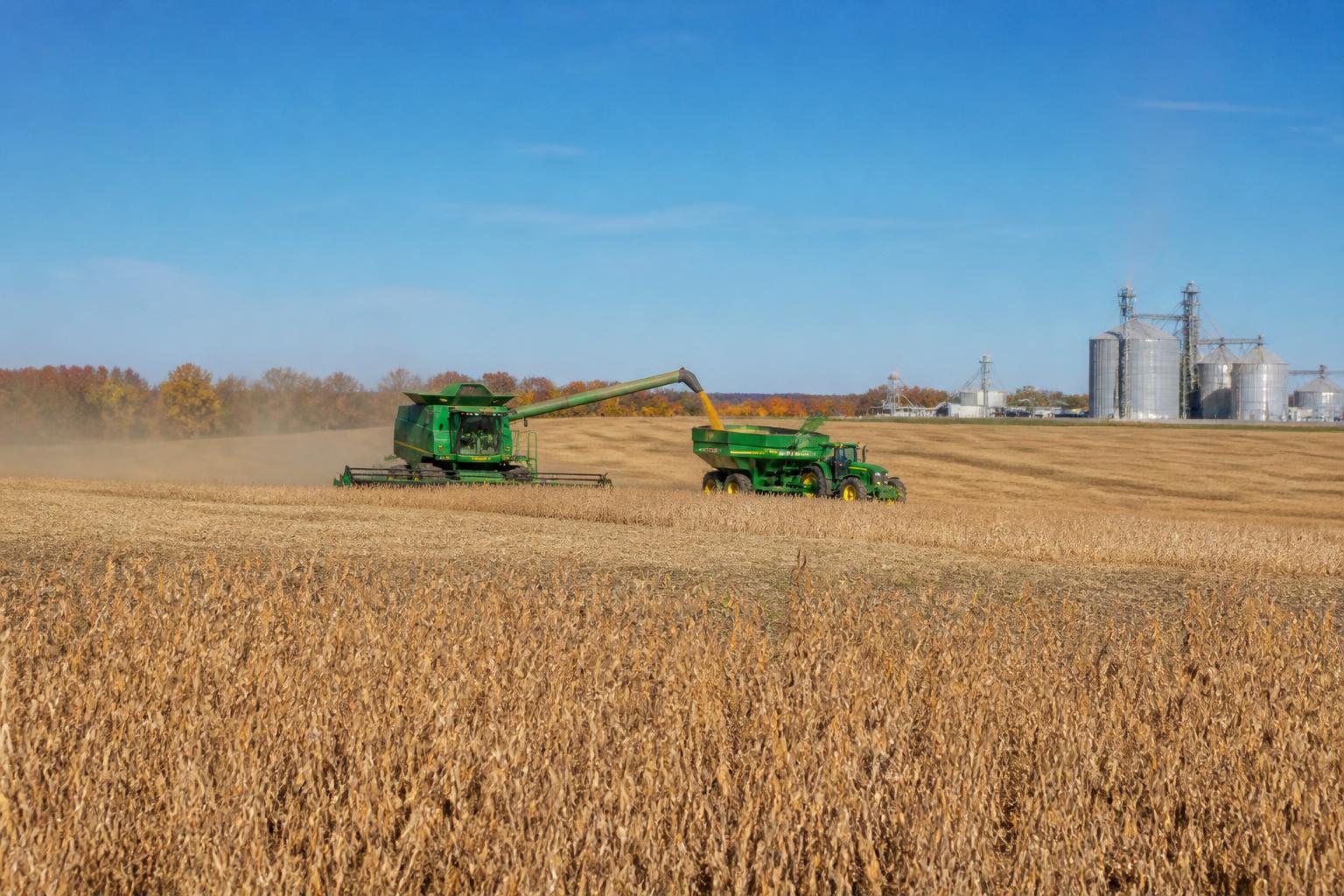
South Dakota farmers are moving through the critical stages of the fall harvest, with current conditions reflecting a season of relative optimism for field progress. As producers in the state work to bring in this year's yields, regional infrastructure continues to play a pivotal role in maintaining momentum. The introduction of new processing capacity, specifically within the soybean sector, is providing a much-needed local outlet that can help shield growers from broader international market volatility.
Infrastructure and Market Stability
For many agribusinesses and operators across the plains, having consistent access to local facilities remains a primary objective. New soy processing developments have been highlighted as a source of stability for South Dakota producers, offering a more immediate market for crops even when global trade outlooks remain uncertain. This proximity can reduce reliance on long-haul transport routes, which often face complex logistics and seasonal pressures as the harvest volume peaks.
Operational Readiness
As the pace of grain movement accelerates, logistics managers and fleet operators are keeping a close eye on regulatory compliance and transport efficiency. With heavy equipment active on rural roads and highway corridors, maintaining strict adherence to local fuel and weight regulations is essential for avoiding costly delays. While the heat of the summer has given way to fall, the efficiency of the supply chain remains the defining factor in protecting profit margins during these high-traffic months.
What it means for the market
For farmers and handlers, the current environment emphasizes the importance of utilizing local infrastructure to buffer against export-related uncertainty. By focusing on efficient, compliant logistics and prioritizing local intake points, operators can better manage the volatility that often characterizes this stage of the agricultural calendar. Staying informed on regional report updates and maintaining equipment readiness will be key as the remainder of the crop is secured.
Comments
No comments yet - be the first to share your take.