
Navigating Regional Fertilizer Distribution
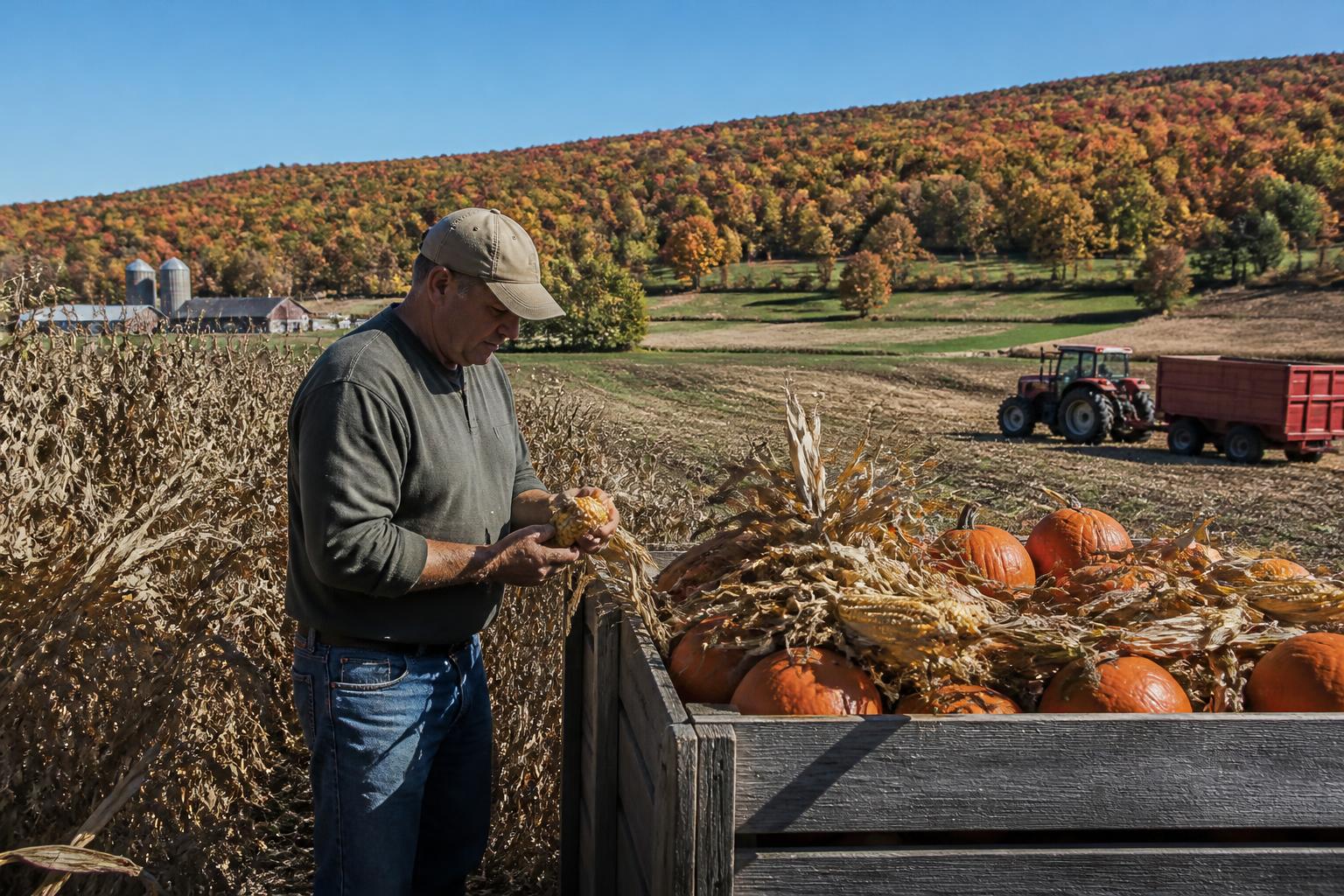
With the autumn season in full swing, New Jersey producers and agribusinesses are shifting their focus toward post-harvest soil preparation and nutrient management. Efficient movement of bulk inputs is essential during this busy time. Many regional handlers are finding that success in maintaining operational safety during peak traffic depends on early coordination with transit providers and reliable local logistics networks.
The Impact of Supply Chain Efficiency
Managing input costs and availability remains a primary concern for the state's agricultural sector. As noted in broader industry discussions regarding input costs and market volatility, the ability to streamline the movement of materials from storage to the field can significantly impact the bottom line. For those operating near urban corridors, understanding the constraints of metropolitan freight services is often necessary to avoid unexpected delays in receiving time-sensitive shipments.
Streamlining Field Operations
Innovation continues to play a role in how New Jersey farmers approach both soil health and resource management. From historical practices in nutrient application to modern startups aiming to reduce waste in the food supply chain, the focus is increasingly on precision. Integrating these advancements into day-to-day operations can assist in evolving the agribusiness sector while ensuring that every pound of fertilizer is accounted for during the application window.
Key Takeaways
- Prioritize early logistics coordination to bypass seasonal transit congestion.
- Evaluate local freight options to maintain cost-effective input delivery.
- Leverage precision application technology to maximize nutrient efficiency.
What it means for the market: For New Jersey producers, the current market climate necessitates a proactive approach to fertilizer procurement. By closely monitoring local transport trends and focusing on efficient application strategies, growers can better mitigate the risks associated with volatile input costs and supply chain bottlenecks this fall.
Comments
No comments yet - be the first to share your take.