
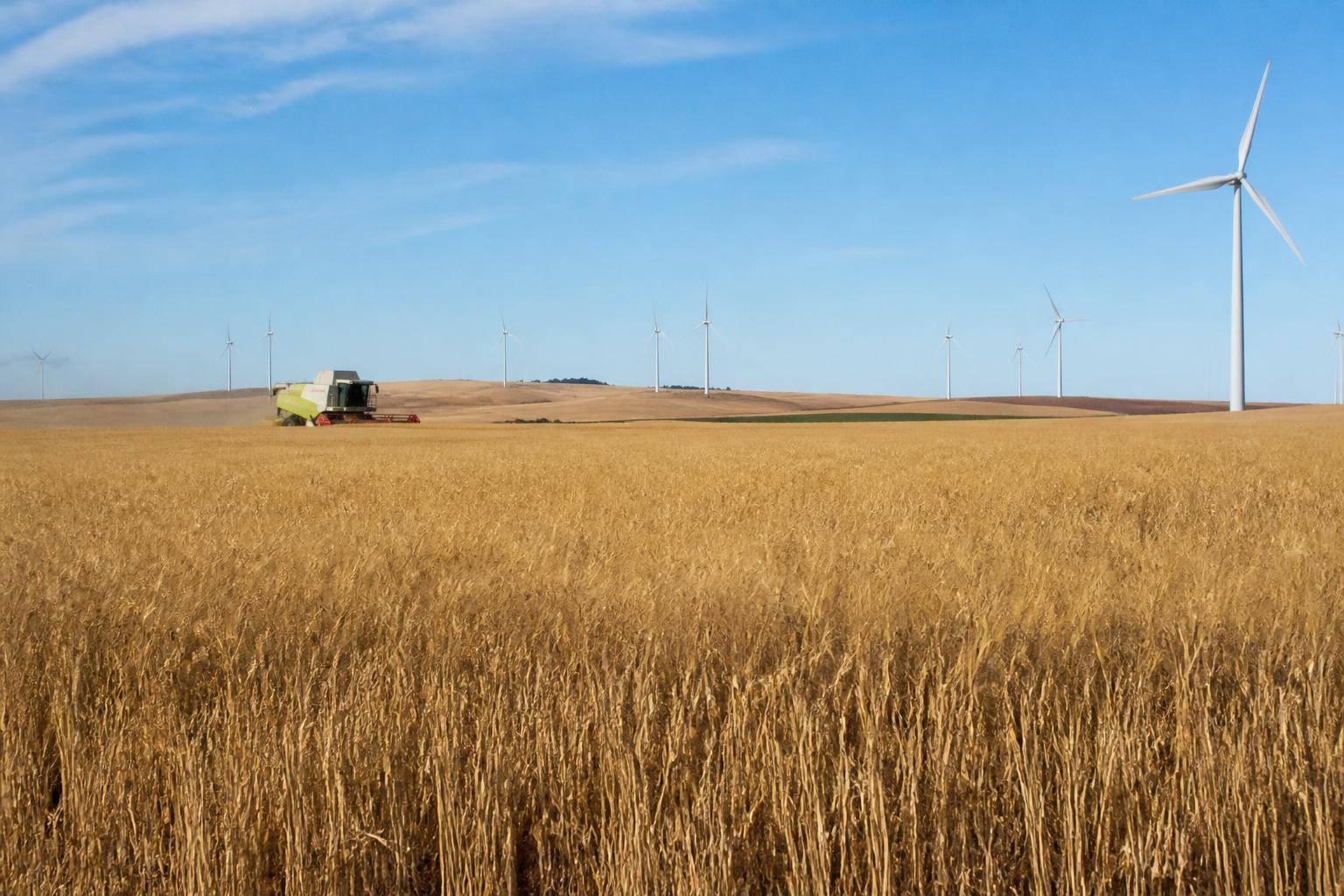
As harvest operations progress across Oregon, the regional grain market is showing signs of stability. Recent reports indicate that Portland grain bids have remained largely steady, providing a consistent baseline for producers working through their seasonal yield evaluations. For growers in regions like the Columbia Basin, the focus remains on optimizing supply chain movements while navigating the complexities of regional storage and transport.
Optimizing Logistics and Trade Infrastructure
Infrastructure remains a critical component of Oregon's agricultural success this season. Recent leadership shifts at regional hubs, such as the Port of Umatilla, highlight a broader industry push to modernize economic development and trade efficiency. Efficient coordination between on-farm storage and downstream transit is vital as producers work to meet domestic needs and look forward to potentially restored international market access for Northwest wheat.
For many operations, the current season is also a time for strategic resource management. Beyond grain, the agricultural sector continues to evaluate the role of precision technology in long-term viability. As producers integrate new methods, they often look toward collaborative efforts to refine pest management and soil health strategies, which can collectively reduce long-term input costs and improve yield consistency across diverse Oregon landscapes.
Managing On-Farm Resources
In addition to logistics, producers are focusing on the integration of secondary land uses, such as wind energy, alongside traditional cropping patterns. This dual-use approach allows for continued agricultural productivity while providing a hedge against market volatility. While market conditions shift, the ability to adapt to both environmental pressures and infrastructural changes remains a cornerstone of the Oregon farming business model.
What it means for the market
The steady nature of current grain bids suggests a period of relative calm, allowing producers to prioritize efficient harvest completion and transport to export terminals. Agribusinesses should monitor developments in regional port management and trade policy, as these factors will likely dictate the speed and profitability of the upcoming post-harvest window. Stability in the near term provides a useful buffer for farmers to finalize their land management and resource allocation plans before the winter dormant season.
Comments
No comments yet - be the first to share your take.