
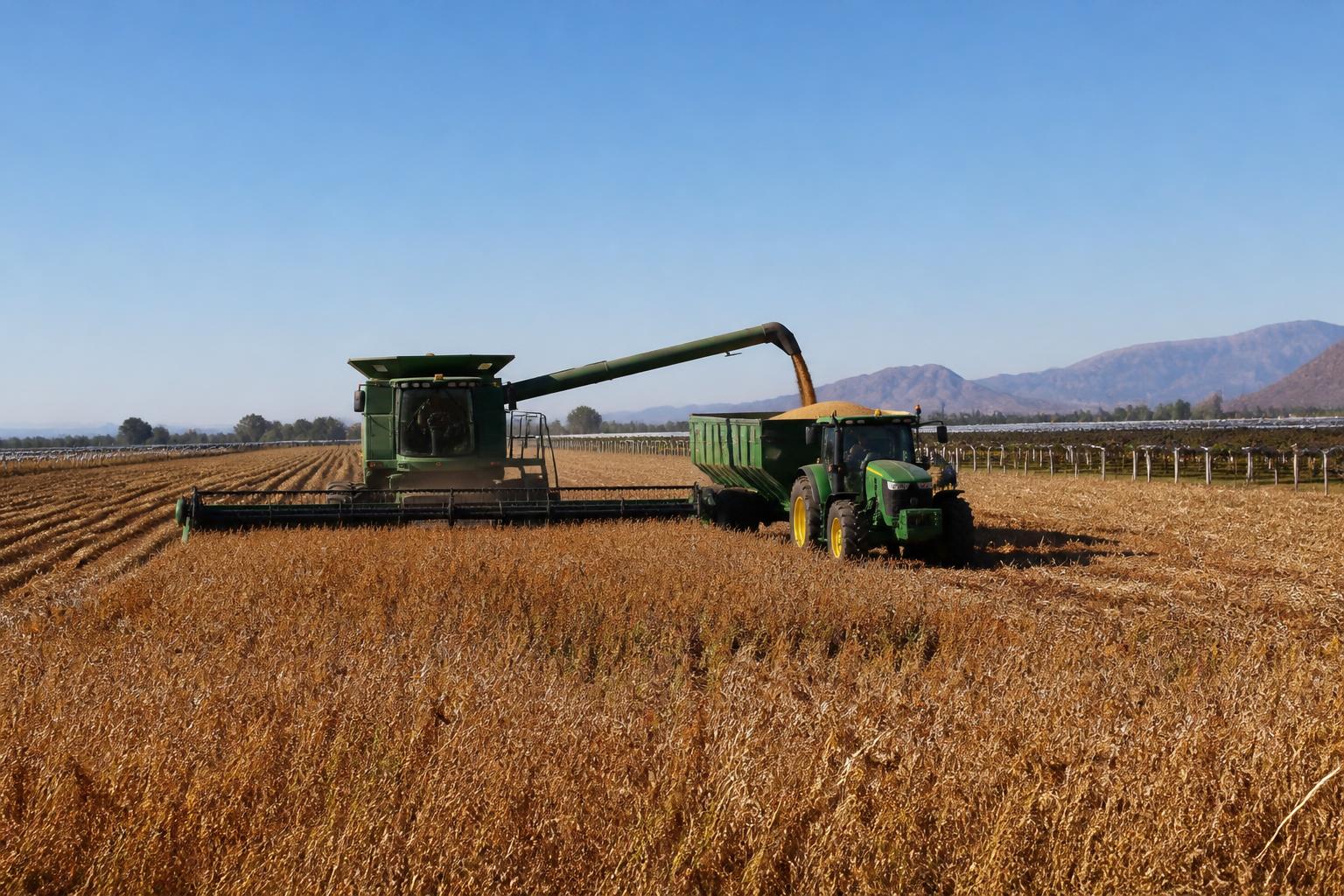
As Arizona moves deeper into the fall season, the intersection of infrastructure strain and high-volume demand continues to test the efficiency of the state's agricultural supply chain. For producers and haulers operating in key regions like the Yuma area, the current climate requires a heightened focus on load management and transit planning as the industry works to maintain steady throughput toward both regional distribution centers and international transit points.
Infrastructure and Logistical Constraints
Statewide, the pressure on major freight corridors and ports of entry remains a point of concern for agribusinesses. With staffing limitations often cited at these critical transition points, delays can ripple through local logistics networks, complicating schedules for perishable goods. Many operators are finding that proactive communication with logistics partners is essential to mitigate the impact of these bottlenecks. This is especially relevant as producers manage the complexities of managing seasonal shifts in the face of ongoing infrastructure demands.
Optimizing Operations for Fall Success
Beyond traditional transport, growers are increasingly looking toward site-specific improvements to streamline their operations. Recent efforts in soil health management, including pilot projects for on-site nutrient optimization, are helping some producers reduce their reliance on external inputs, thereby simplifying the logistical burden of transporting fertilizers. Additionally, the integration of new technology is becoming a standard strategy for those navigating the operational shifts of the fall harvest. By leveraging data-driven insights, businesses are better positioned to balance the competing demands of local water use, crop quality requirements, and efficient freight routing.
Key Takeaways
- Heightened demand at ports of entry necessitates advanced scheduling to avoid transit delays.
- Soil health initiatives are creating secondary benefits by streamlining input delivery requirements.
- Regional logistics planners are prioritizing clear communication channels to bypass infrastructure chokepoints.
What it means for the market: The current landscape in Arizona highlights the growing need for flexibility. For grain handlers, carriers, and input buyers, the focus remains on resilient supply chains. Staying ahead of potential downtime at regional hubs will likely be the deciding factor in maintaining profitability through the remainder of the fall season.
Comments
No comments yet - be the first to share your take.