
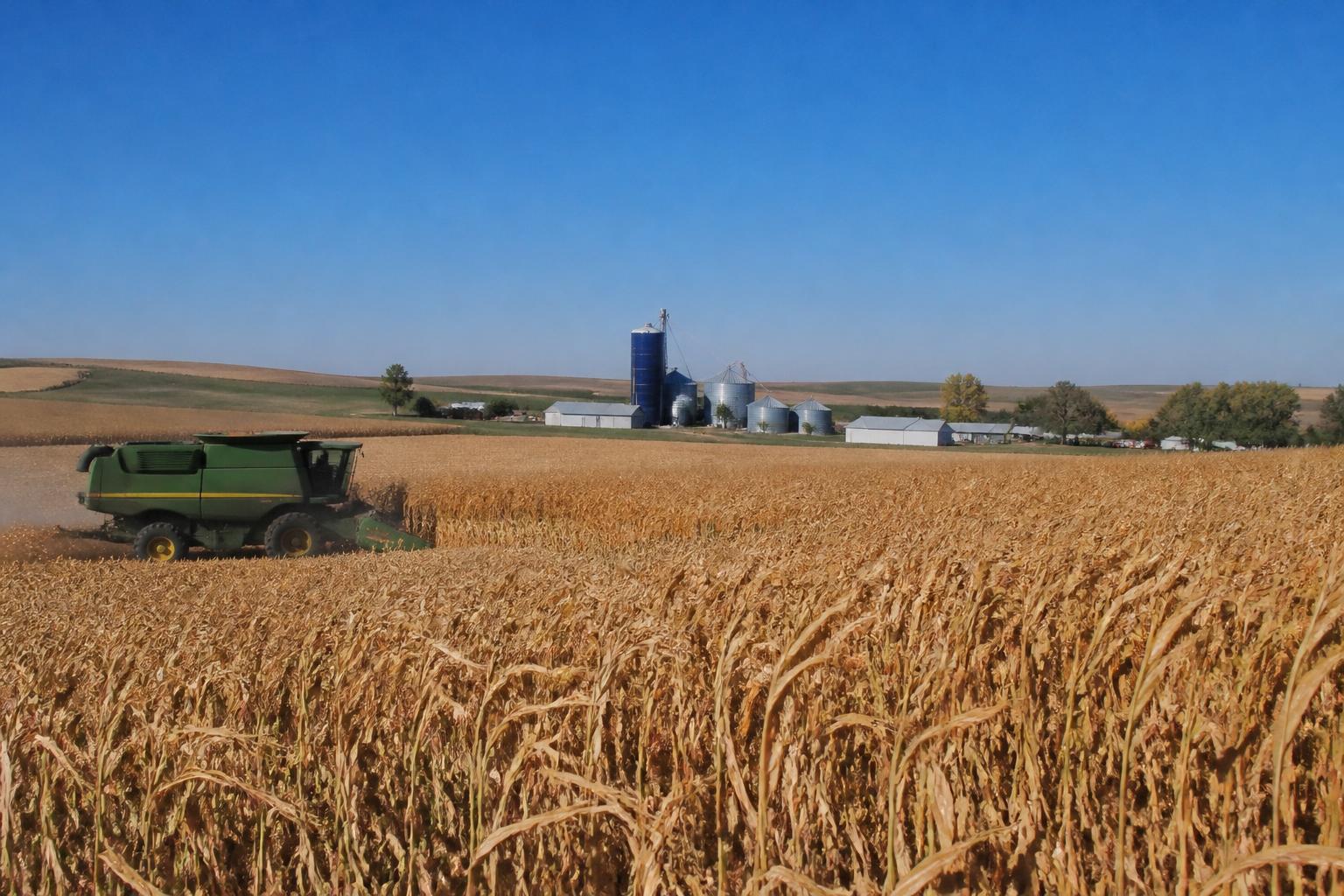
As the Northern Plains transition further into the fall, farmers across North Dakota are shifting their focus from active field work toward future input planning and budgetary adjustments. The current environment remains defined by complex, often rigid, price structures for key fertility products, which continue to weigh on long-term agricultural planning.
For many operations, the reality of high urea prices appears to be more than a short-term volatility issue. Market analysis suggests that these elevated costs may linger well into the coming years, even if global logistical bottlenecks were to clear significantly. This sustained pressure on input costs necessitates a more strategic approach to nutrient management as producers look toward future seasons, regardless of broader international shipping concerns.
Evaluating Input Strategies Amidst Market Volatility
Managing fertilizer supply challenges remains a priority for North Dakota agribusinesses. While planting efforts earlier this year were reported as highly efficient across the region, the financial aftermath of these input costs is currently being reflected in post-harvest decision-making. Producers are increasingly analyzing their reliance on specific nitrogen sources and evaluating whether adjustments in application timing or product variety can help mitigate the impact of continued price elevation.
The broader agricultural landscape is also sensitive to how these costs intersect with harvest logistics and infrastructure performance. As local grain handlers move toward managing late-season inventory, the efficiency of the regional transportation network plays a vital role in balancing operational overhead against the stubborn reality of high commodity inputs.
Long-Term Outlook for Nutrient Procurement
Looking ahead, the stability of the fertilizer market remains closely tied to global supply chains, but local farmers are adapting by focusing on variables they can control. Developing a more resilient crop protection strategy is often the first step in this adaptation, helping producers maintain yield potential even when the cost of inputs feels disconnected from market price cycles. Navigating these economic pressures is essential for sustaining the long-term viability of North Dakota's diverse farming operations.
What it means for the market
For growers and agribusinesses, the message is clear: assume that current fertilizer price trends will persist through 2027. Success in the upcoming cycles will likely depend on tightening input efficiencies and prioritizing procurement strategies that hedge against prolonged market elevation, rather than waiting for immediate, drastic price corrections.
Comments
No comments yet - be the first to share your take.