
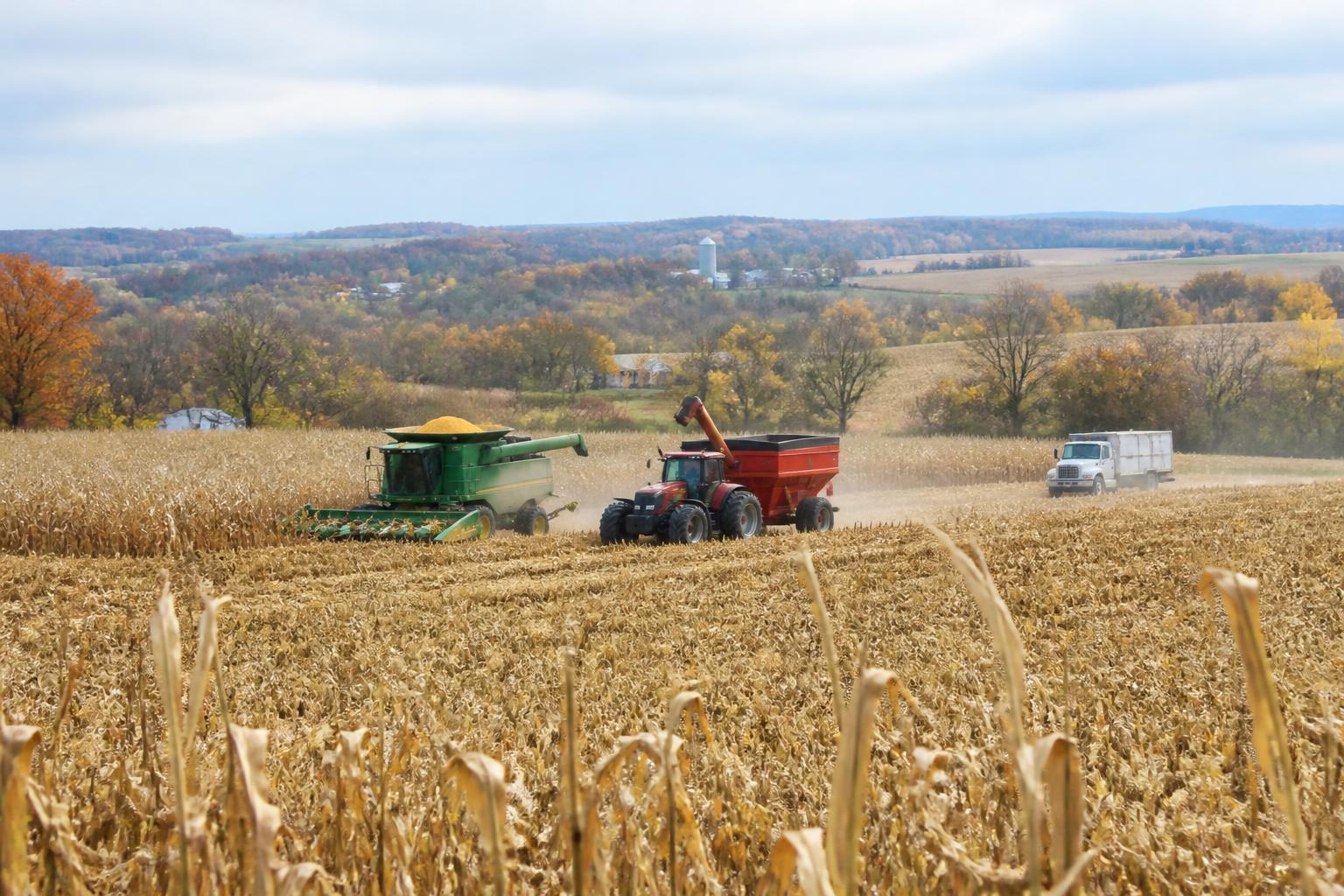
The mid-October landscape across Maryland's agricultural regions is defined by the rapid pace of harvest operations. For grain handlers, carriers, and producers, this period demands a precise balance between field efficiency and logistics readiness. With harvest activity hitting its seasonal peak, regional transport networks often experience increased pressure, making proactive planning essential for maintaining flow from the combine to the elevator.
As movement intensifies, logistics providers and farm managers continue to focus on optimizing Maryland harvest logistics to minimize downtime. Managing the influx of heavy equipment on rural roads, combined with the necessity of timely grain transport, requires constant coordination. Strategic partnerships and federal or state programs, such as those that support infrastructure and logistics engagement in the agricultural sector, play a significant role in keeping our local supply chains resilient.
Navigating Transport Bottlenecks
Maryland producers are well-acquainted with the unique logistical demands of our local geography. From navigating the Eastern Shore's winding routes to maneuvering equipment near busy transit corridors, the ability to pivot based on real-time traffic or weather data is an asset. Consistent maintenance of transport vehicles and early communication with local grain elevators can help mitigate potential delays as regional infrastructure reaches maximum capacity during the fall logistics cycle.
Maximizing Operational Efficiency
Effective management during this window often involves more than just speed; it requires a focus on reducing overhead and maximizing the utility of every load. Producers may find that coordinating closely with logistics partners to stagger arrivals or utilizing pre-arranged transit windows can significantly reduce wait times. Furthermore, keeping a close eye on equipment readiness—ensuring trailers are prepped and routes are cleared—remains the most effective way to sustain high-volume output during these critical weeks.
Key Takeaways
- Prioritize regular communication with grain handling facilities to align transit schedules with peak intake windows.
- Audit equipment safety and load capacity to ensure compliance with seasonal road weight requirements.
- Utilize local logistics networks and USDA-supported programs to address infrastructure gaps during high-traffic periods.
What it means for the market: For Maryland agribusinesses, the ability to navigate these logistical challenges directly impacts the bottom line. Efficient movement of grain from field to market allows operators to capitalize on favorable pricing windows, while simultaneously reducing the risk of harvest bottlenecks. As the season progresses, maintaining a focus on streamlined transport will continue to be a primary driver of success for the region’s producers.
Comments
No comments yet - be the first to share your take.