
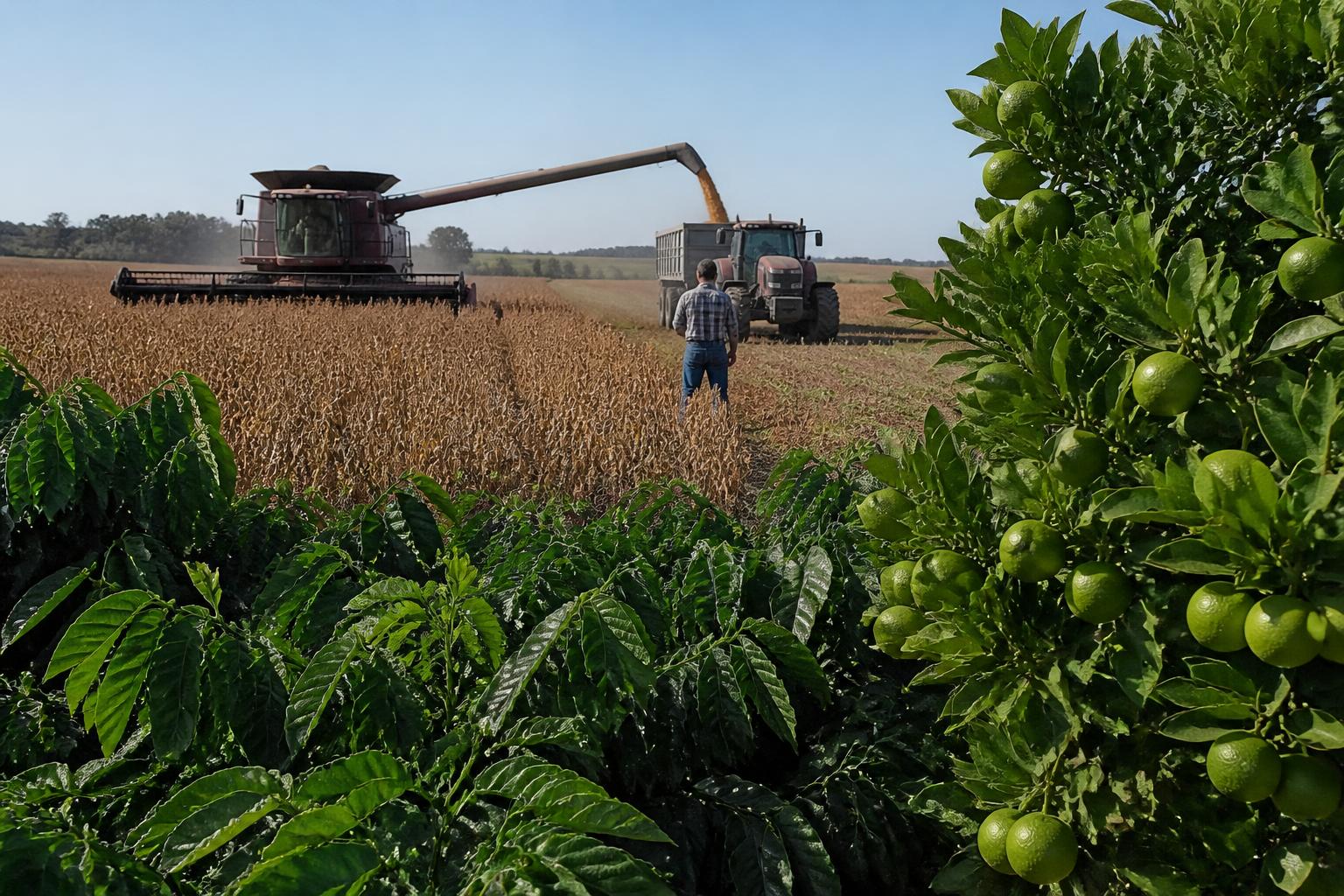
Hawaii's agricultural landscape is seeing a push toward enhanced market reach, marked by recent collaborations that aim to integrate local produce into international supply chains. As growers focus on scaling production, the intersection of logistics, regional infrastructure, and policy remains a critical focal point for producers across the islands.
New partnerships, such as those facilitating the shipment of Maui-grown limes to Canada, highlight the ongoing effort to overcome traditional geographic barriers. For many producers, success in these ventures often requires careful coordination between local transportation networks and technological integration within the supply chain. These logistics shifts are essential as the state works to balance the demand for high-quality specialty crops with the logistical hurdles inherent to island farming.
Investing in Research and Workforce Development
Beyond logistics, the future of the sector is increasingly tied to collaborative research and local talent development. Recent initiatives between institutions like the University of Hawaii and mainland partners, such as Clemson, emphasize a commitment to improving the productivity of high-value crops like coffee and cacao. By focusing on sustainable practices and advanced research, stakeholders are aiming to secure a more resilient future for the state's agricultural land and industry participants.
Scholarship programs and educational outreach, including youth engagement, continue to foster a pipeline of skilled professionals. Such investments are vital as the industry adapts to changing regulatory environments, which have at times redefined the standards for pesticide usage and farm management practices across the islands.
Adapting to Economic and Environmental Realities
The resilience of Hawaii's farming community is frequently tested by economic pressures and the need for rigorous resource management. As producers navigate rising input costs and shifting land management strategies, many are prioritizing food safety and traceability as part of their daily operations. These practices help ensure that Hawaiian products remain competitive and compliant, even as the regulatory framework surrounding agriculture continues to evolve.
What it means for the market: Producers should monitor how these export partnerships and research collaborations influence local capacity. With logistical frameworks becoming more complex, the ability to maintain consistent, high-quality production while adhering to stringent safety standards will likely define the most successful market participants in the coming seasons.
Comments
No comments yet - be the first to share your take.