
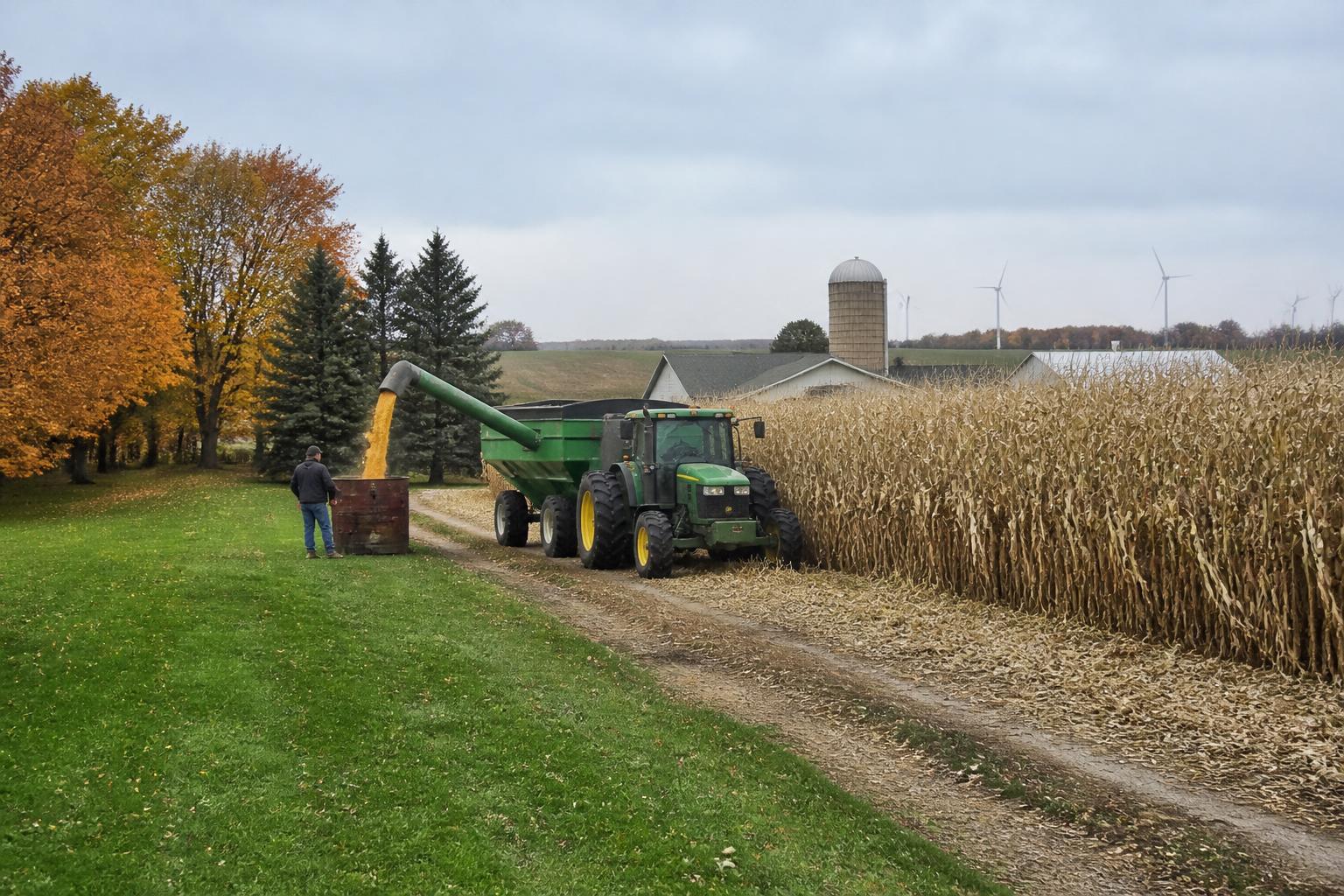
With the harvest season in full swing across Rhode Island, agricultural producers are shifting their attention from field management to post-harvest logistics and forward-looking input planning. While recent discussions regarding federal policy on fertilizer duties from key international sources have garnered industry-wide attention, local growers are encouraged to evaluate their procurement strategies early to mitigate potential price volatility.
For those managing input costs, staying ahead of supply chain developments is essential. Managing operational shifts in the current climate often requires a closer look at local inventory levels and transportation capacity, especially as seasonal demand for inputs fluctuates during the transition into winter.
Input Procurement and Market Volatility
The fertilizer market remains sensitive to geopolitical developments. As federal authorities evaluate duty suspensions on imported nutrients, Rhode Island agribusinesses may find it beneficial to monitor how these decisions impact their bottom line. Farmers who typically pre-order supplies in the fall to secure favorable pricing should remain in close communication with their suppliers to stay informed on potential cost adjustments.
Strengthening Supply Chain Resilience
Effective logistics continue to be a primary pillar for success in the state's agricultural sector. From the coastal regions where aquaculture operations are expanding, to the inland farms managing grain storage, maintaining consistent supply chain connectivity is critical. Navigating seasonal logistics and labor availability can help alleviate the pressure on transport networks, particularly as the state handles the movement of varied harvests and incoming fall inputs.
Key Takeaways:
- Monitor federal updates on fertilizer import duties to anticipate spring input cost fluctuations.
- Prioritize early procurement where possible to avoid late-season supply bottlenecks.
- Assess local transport routes and capacity to ensure efficient movement of both inputs and harvested product as winter approaches.
What it means for the market
For Rhode Island farmers and agribusinesses, the current market environment emphasizes the need for proactive financial and logistical planning. While global trade policies may shift in the coming months, local producers who leverage regional supply networks and maintain flexible input schedules are better positioned to weather price fluctuations and maintain operational efficiency through the winter period.
Comments
No comments yet - be the first to share your take.