
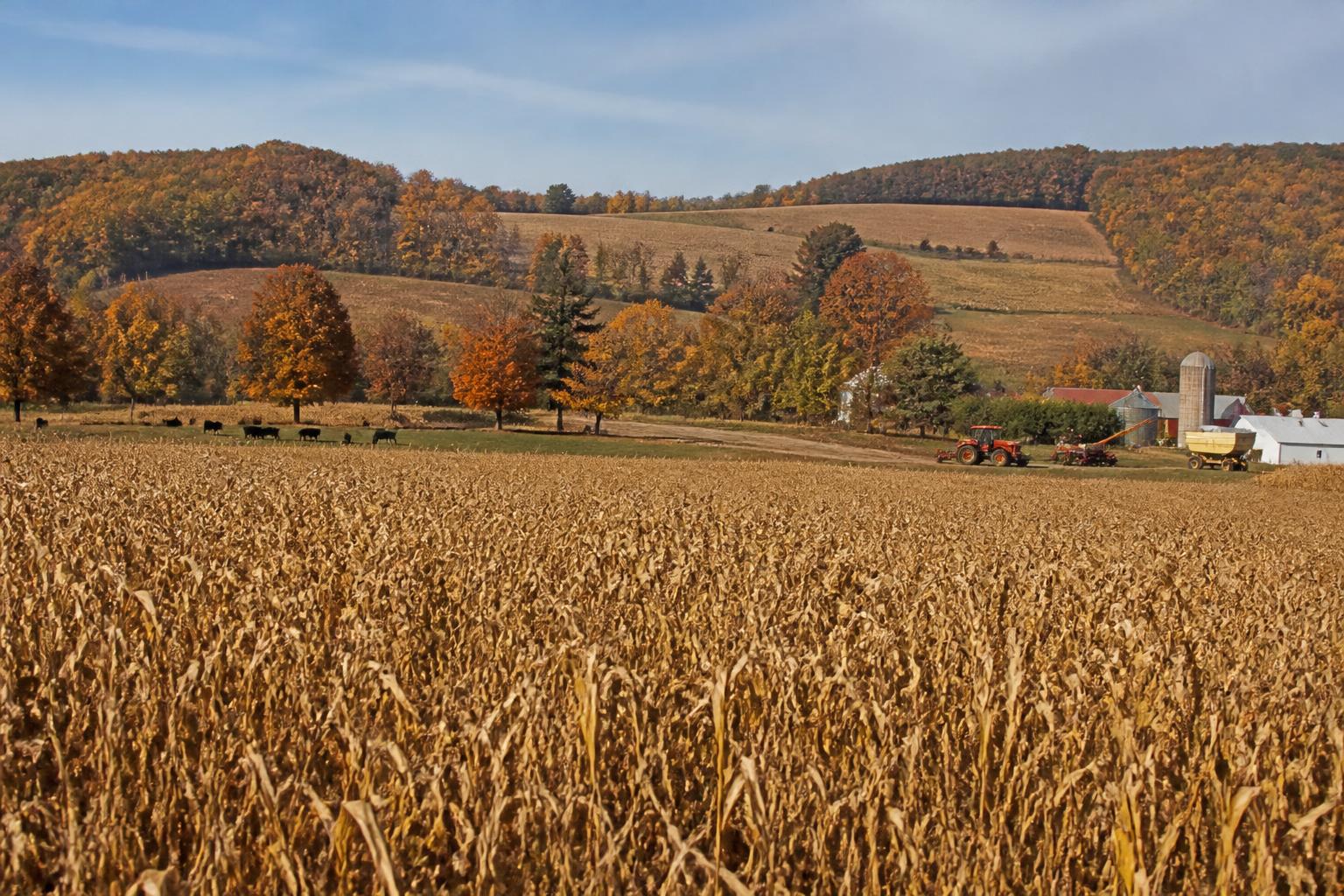
The fall harvest is a critical period for Rhode Island producers, marked by both the bounty of the season and the pressure to move goods efficiently to local markets. For many operations, this time of year is defined by the logistics of getting crops from fields to storage or direct-to-consumer outlets, often relying on a network of secondary roads and state corridors that see increased traffic during the autumn months.
Managing Labor and Operational Stability
Agribusinesses across the state are currently balancing production goals with significant headwinds in the labor market. As optimizing fall logistics remains a priority, uncertainty surrounding the future of the agricultural workforce is top of mind for many farm managers. Maintaining a steady, skilled team is essential for ensuring that harvest-time operations—such as those found at regional staple sites like the Martin House Farm—proceed without interruption.
These operational concerns are further compounded by evolving market realities that impact input access and pricing. Farm owners are encouraged to stay connected with regional support networks to better navigate the regulatory and economic shifts that may influence their ability to secure necessary labor or transportation assets during peak weeks.
Infrastructure and Resource Planning
Logistics in a state like Rhode Island requires a nuanced approach, particularly when managing heavy equipment transport or bulk commodity movement. Producers often find that early planning and proactive communication with local transport partners can help mitigate delays. With recent attention on regulatory and input shifts, keeping detailed records and staying apprised of local agricultural grant opportunities can provide a necessary buffer against rising operational costs.
Furthermore, as organic sales continue to show resilience in the Northeast, the focus on sustainable resource management remains a central theme for local growers. Efficiently using available infrastructure, from local processing facilities to regional distribution hubs, is key to maintaining a competitive edge in a crowded marketplace.
What it means for the market
For Rhode Island agribusinesses, the immediate outlook emphasizes resilience. By focusing on efficient logistics, diversifying labor strategies, and leveraging current state-level support, farmers can better insulate their operations from the broader economic pressures impacting the national agricultural landscape. Proactive management remains the most effective tool for navigating the remainder of this harvest cycle.
Comments
No comments yet - be the first to share your take.