
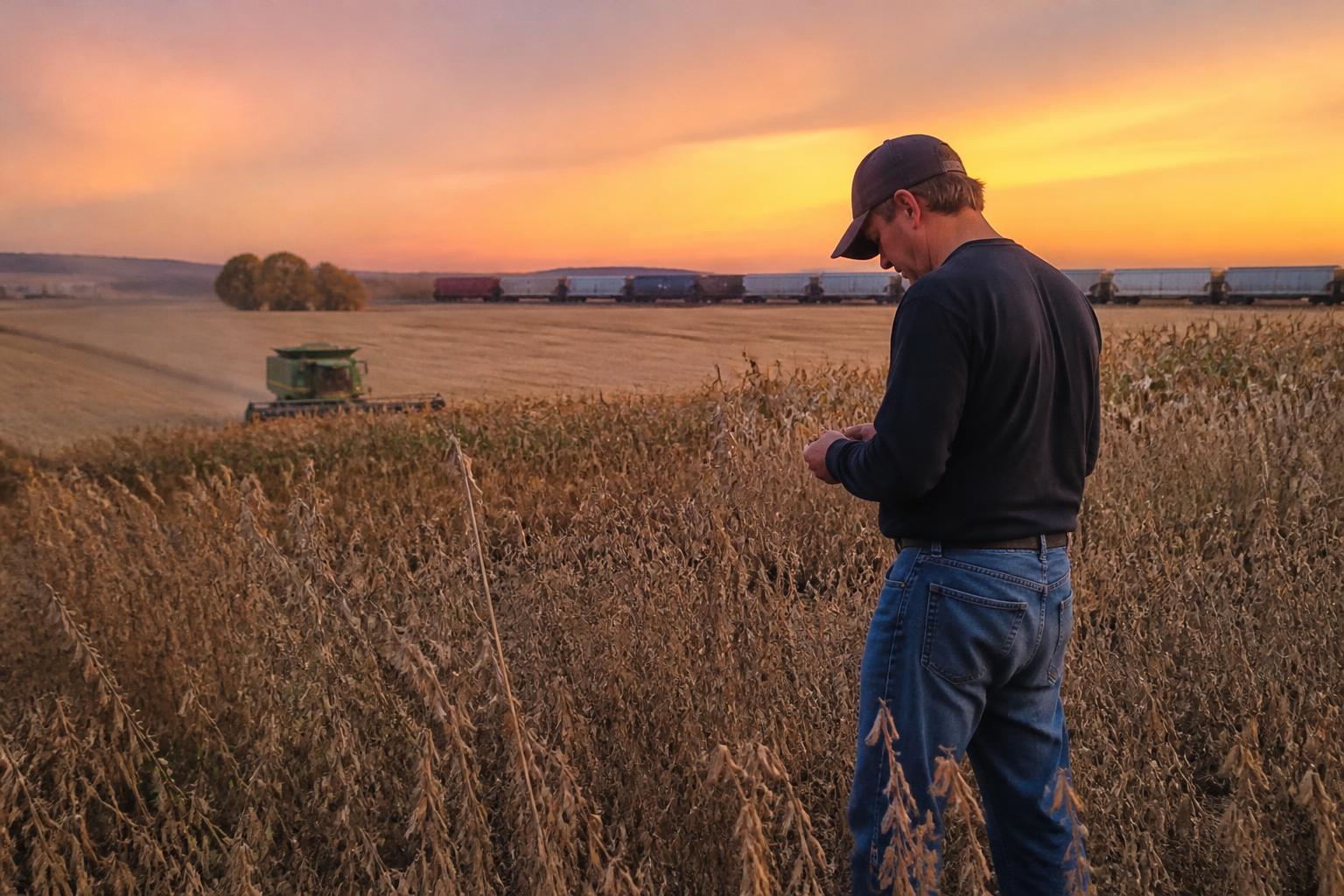
The North Dakota harvest is currently in full swing, bringing into sharp focus the perennial challenge of managing agricultural logistics costs. As producers work to move grain across the state, from the Red River Valley to the western plains, the increasing cost of rail freight is creating additional pressure on farm-gate margins. For many operators, these transportation expenses often end up being absorbed at the producer level, necessitating a closer look at how grain is managed and moved through the supply chain.
Understanding these logistics dynamics is critical as growers navigate harvest logistics and infrastructure outlooks. Reliable rail access remains a cornerstone of the regional grain economy, yet as railroads adjust their pricing models, the local agricultural sector must remain agile. This environment emphasizes the importance of balancing traditional shipping methods with proactive local planning to mitigate unexpected logistical friction.
Infrastructure Investment and State Support
Recognizing the strain on the state’s agricultural supply chain, recent efforts have focused on bolstering capacity. Significant investments, including planned rail upgrades totaling millions in value, aim to streamline the movement of commodities through key transit corridors. Such projects are vital for maintaining the competitive edge of North Dakota agriculture, especially as producers continue to adapt to evolving regulatory and infrastructure landscapes.
Beyond rail, state-led initiatives such as the feed transportation cost-share program offer targeted assistance for producers managing specific logistical burdens. These programs are designed to help alleviate some of the financial weight associated with moving essential agricultural supplies across the state, providing a buffer during periods of high market volatility.
Strategic Planning for Producers
With global and local demand shifting, including the growing popularity of pulse crops, the necessity for efficient, cost-effective transport has never been higher. Growers are increasingly encouraged to monitor both local freight trends and regional infrastructure updates to make informed decisions about storage and sales. For those managing complex inputs, staying aligned with the latest on managing North Dakota crop protection and market volatility can help provide a clearer picture of how logistics fit into the broader farm financial strategy.
What it means for the market
For North Dakota agribusinesses and grain handlers, the current environment suggests a cautious approach to contracting and transport logistics. With rail costs fluctuating, maximizing on-farm storage flexibility and coordinating closely with local grain elevators may help mitigate the impact of rising freight rates. As the harvest continues, maintaining a focus on regional logistics capacity and utilizing available state support programs remains the best strategy for protecting margins through the remainder of the season.
Comments
No comments yet - be the first to share your take.