
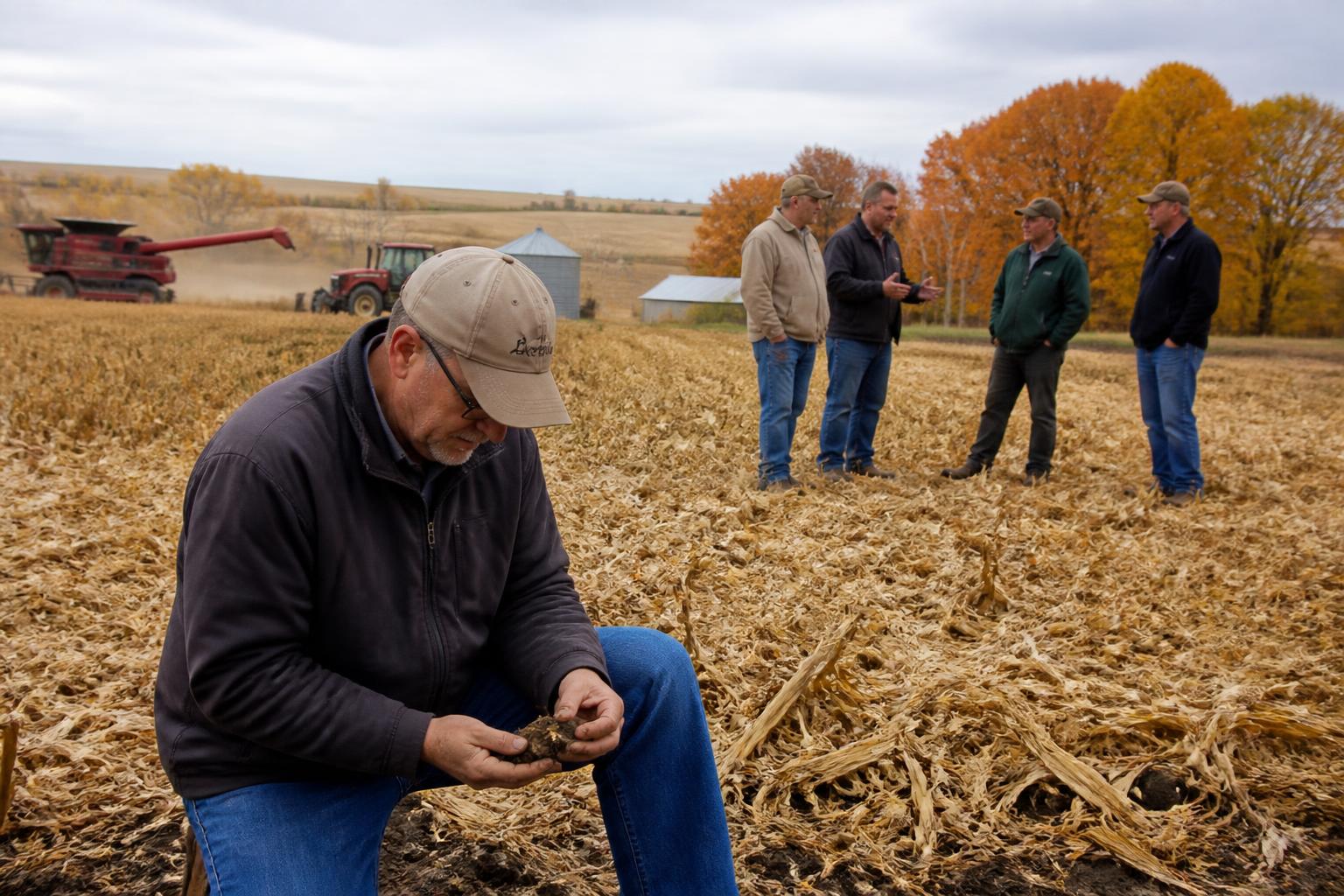
As the fall harvest season progresses across Wyoming, producers are contending with a complex market environment defined by both environmental and economic hurdles. Historic drought conditions have persisted in many regions, significantly impacting yield expectations and complicating logistical planning for grain handlers and producers alike. Despite these challenges, the sector continues to prioritize efficiency and cost-mitigation strategies to sustain long-term viability.
For those looking to optimize their operations during these tight margins, staying informed on regional grain market outlooks is essential. Producers are increasingly exploring alternative methods to manage soil fertility as fertilizer prices remain sensitive to global market volatility. Some growers are experimenting with innovative soil amendments, including local coal-derived byproducts, as a way to enhance crop performance while reducing reliance on conventional, high-cost inputs.
Adapting Logistics and Input Strategies
The convergence of seasonal harvest pressure and unpredictable fuel costs remains a primary concern for the state's agribusinesses. As outlined in recent guidance on diesel regulations and fuel supply shifts, understanding the current logistical landscape is key to maintaining operational margins. Reliable transportation and timely movement of grain are critical, particularly when drought conditions force farmers to adapt their harvest timelines.
Furthermore, producers continue to monitor land use and infrastructure developments. For those navigating the complexities of modern operations, it is worth reviewing recent updates on regulatory landscapes and infrastructure pressures that may affect regional storage and transport capabilities in the coming months.
What it means for the market
The immediate outlook for Wyoming agriculture remains cautious. While innovation in soil health and input management offers a pathway to offset high production costs, the overarching theme for the remainder of the fall season is one of resource conservation. Agribusinesses, from local elevators to transport providers, should prepare for a potentially staggered harvest pace as farmers balance the need for output against the realities of water scarcity and elevated operating expenses.
Comments
No comments yet - be the first to share your take.