
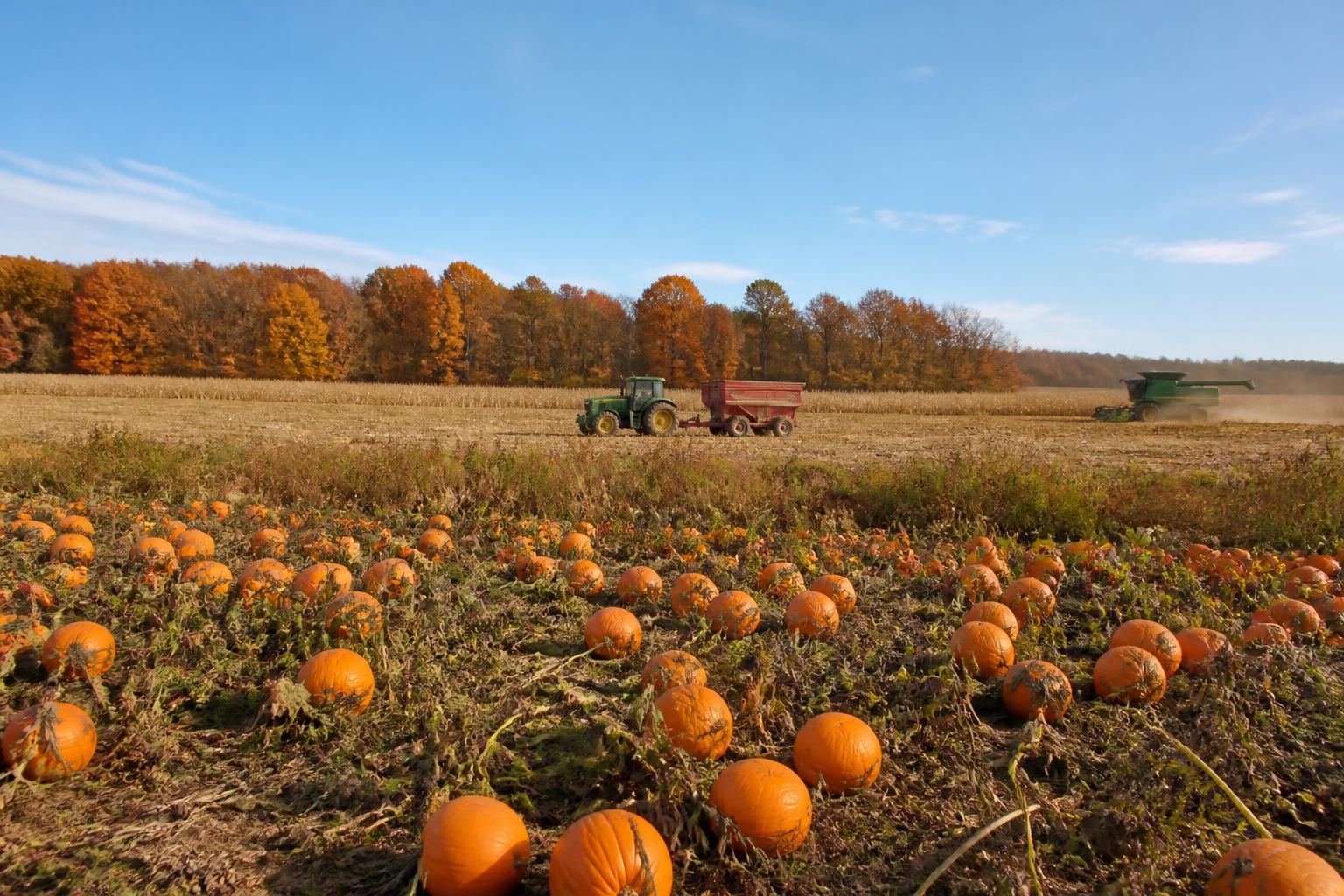
Operational Flexibility During Fall Harvest
As harvest operations intensify across the Bighorn Basin and into the eastern plains of Wyoming, fuel logistics remain a critical bottleneck for many local producers. The recent federal decision to waive certain restrictions regarding the use of red-dyed diesel arrives at a pivotal moment, potentially easing the financial and logistical burden of maintaining equipment during high-demand cycles.
For those managing large-scale operations or overseeing grain logistics, having more flexibility with fuel sources can simplify the movement of heavy machinery. While these adjustments aim to provide temporary relief, producers should continue to monitor how these changes interact with regional distribution networks. Staying ahead of operational challenges during fluctuating seasonal conditions is vital for maintaining productivity.
Navigating Market Dynamics and Costs
In addition to fuel logistics, the broader economic landscape remains a key focus for local agribusinesses. As many producers seek to optimize their bottom lines, understanding how policy shifts influence day-to-day costs is essential. Whether it is addressing liquidity concerns in grain markets or preparing for winter storage, modern farming in Wyoming demands a proactive approach to managing both input costs and market access.
Producers should continue to evaluate how these regulatory shifts impact their specific supply chains. Consistent communication with local fuel suppliers and cooperatives can provide clarity on availability and pricing fluctuations throughout the remainder of the fall season. For those balancing these immediate needs, focusing on long-term resilience as the fall harvest concludes remains a recommended strategy for long-term operational success.
What it means for the market
The relaxation of diesel-related regulations represents a potential reduction in administrative and cost hurdles for the agricultural sector. As operators work to finalize harvest and prepare for the winter months, this added flexibility may help streamline logistics, allowing producers to keep equipment moving efficiently across the state's diverse geography without the typical constraints associated with fuel types during peak demand.
Comments
No comments yet - be the first to share your take.