
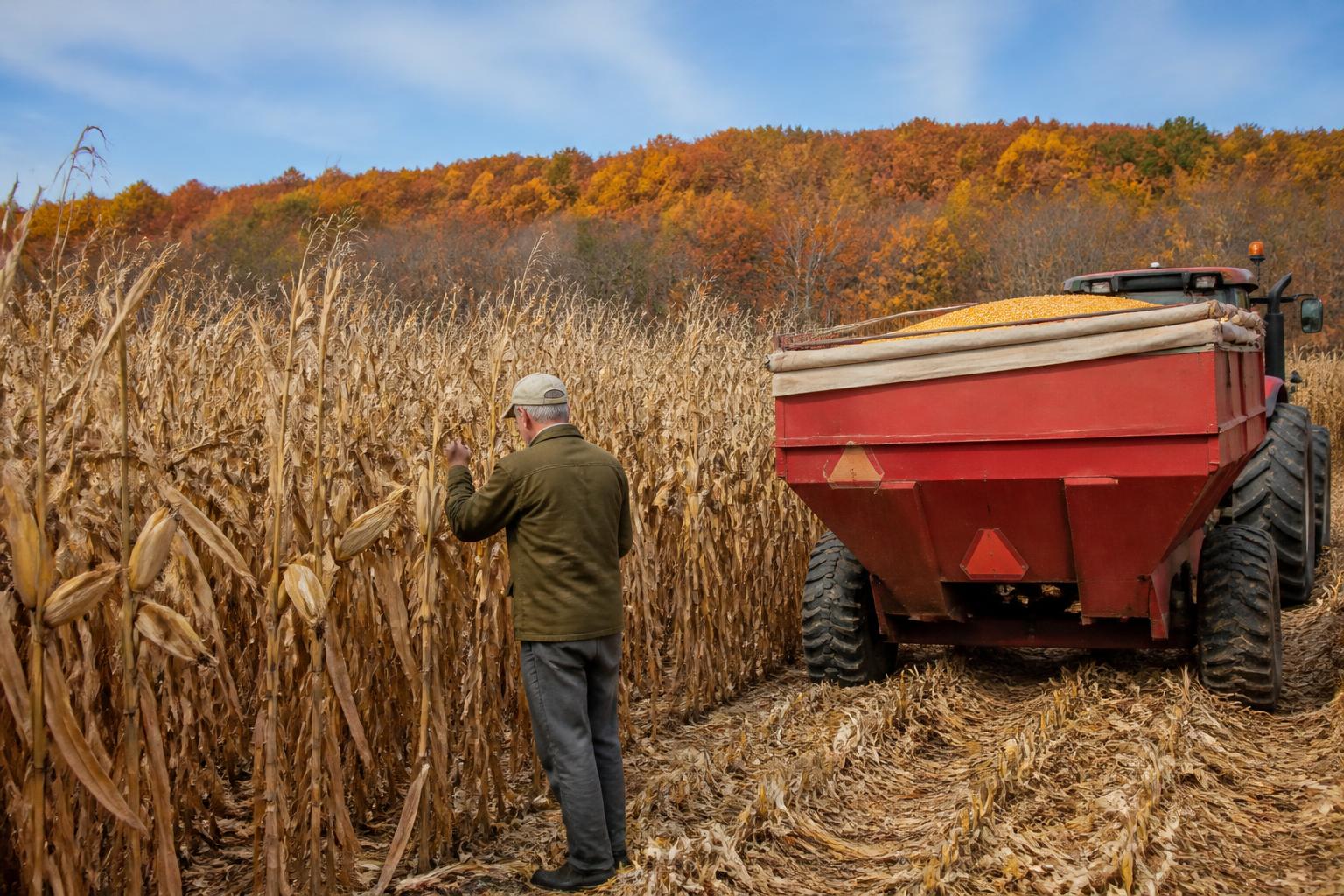
With the harvest season in full swing across Colorado, farmers are shifting their focus from field operations to long-term planning for the upcoming year. The current market environment emphasizes the need for efficiency, whether through mechanical innovation or precise financial management. As producers navigate regional market uncertainty and thin margins, staying informed on both technology costs and federal safety nets remains a priority.
Input Costs and Industry Shifts
Seed technology and crop loyalty programs have recently been a focal point for grain producers. A notable legal settlement involving major input providers underscores the importance for Colorado agribusinesses to carefully evaluate their supply agreements. Beyond contract terms, practical innovation at the farm level continues to drive efficiency. Many producers in the Centennial State are finding ways to streamline their operations, such as modifying grain carts to improve loading times for seed tenders, which can save critical hours during busy planting and harvest windows.
Federal Program Planning
As we approach the end of the year, growers are also beginning to evaluate federal risk management options. Resources such as the 2026 ARC and PLC decision tools are becoming available to help farmers calculate potential support levels. Given the volatility in Colorado grain prices, these programs are essential components of a robust risk management strategy. Taking the time to model various yield and price scenarios now may provide a clearer picture of your farm's bottom line for the 2026 crop year.
Leadership in Export Markets
International demand remains a primary driver for the U.S. grain sector. The recent election of new leadership at the U.S. Grains Council highlights a continued focus on maintaining and expanding access for American corn, sorghum, and barley in global markets. For Colorado growers, these export efforts are vital to ensuring that state production, particularly from the eastern plains, reaches competitive destinations abroad.
What it means for the market
The convergence of legal developments in input supply chains and the introduction of new federal decision tools suggests a period of transition. Producers should prioritize auditing their input contracts while simultaneously utilizing available data tools to prepare for the 2026 growing season. Combining these administrative efforts with ongoing logistics improvements will be key to managing the price volatility currently observed in regional cash markets.
Comments
No comments yet - be the first to share your take.