
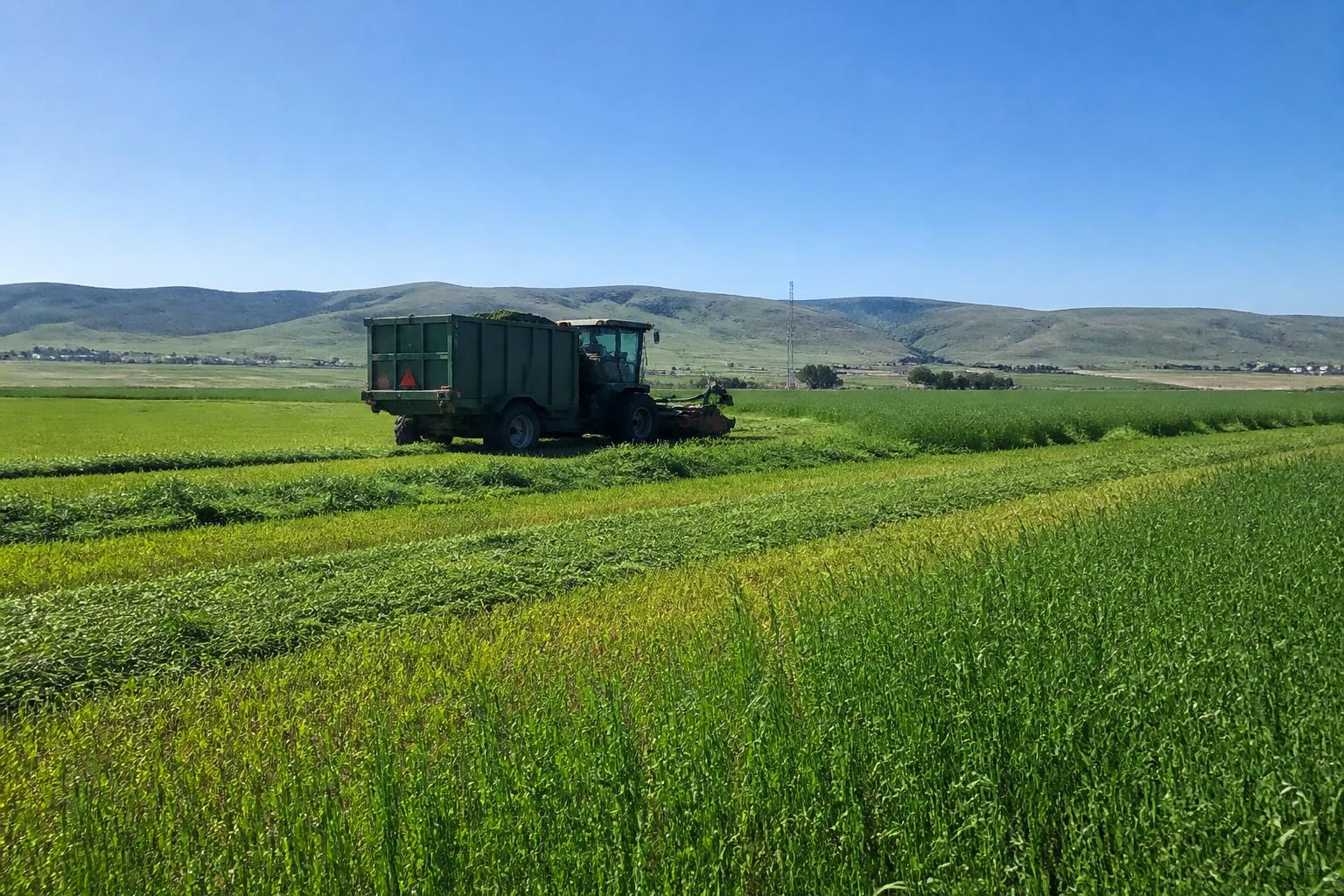
Utah's grain and feed sectors are facing a challenging summer as the compounding effects of a dry winter, localized drought, and volatile global input markets reshape the regional agricultural economy. For livestock producers and grain handlers across the state, navigating these tight supply dynamics has become a primary focus of summer business planning.
With much of the state's agricultural land relying heavily on winter snowpack and seasonal irrigation, the lack of moisture during the colder months has triggered a domino effect across rural Utah. As forage availability declines, the demand for feed grains and alternative feedstocks is shifting rapidly, requiring growers to keep a close eye on regional market trends.
Drought Pressures Forage and Feed Supplies
The dry winter has significantly restricted soil moisture and irrigation reserves, driving up alfalfa and hay prices across Utah. Because hay is historically one of Utah's most valuable agricultural products, any threat to its yield immediately impacts the broader livestock feed market. Livestock operations, unable to rely entirely on parched rangelands, are turning to supplemental grains to sustain their herds.
This shift has intensified the demand for feed grains like barley and feed wheat. Local grain buyers are experiencing highly competitive bidding as supplies remain tight. To better understand how these local feed dynamics are shifting, agricultural businesses are tracking how Summer Heat and Feed Demand Shifts Shape Utah Grain Market trends across various counties.
Global Headwinds Drive Up Local Input Costs
Utah producers are not only battling dry weather; they are also managing severe cost pressures on necessary inputs. Recent international conflicts in the Middle East have disrupted international energy and shipping lanes, leading to global fuel and fertilizer cost increases. For Utah farmers operating during the peak summer irrigation and harvesting season, these elevated expenses are putting a squeeze on profit margins.
Managing fuel costs is particularly difficult for farms that must transport crops over long distances or pump water for irrigation. To mitigate these distribution challenges, many operations are relying on regional supply chain improvements. Advancements in localized distribution hubs are helping, as explored in the report on how Utah Ag Transport: Expanding Transload Networks and Inland Port Projects Boost Summer Logistics can optimize local movements.
Diversification and Strategy in the Field
To cope with the financial pressure of high input costs and water scarcity, some Utah farm families are exploring alternative revenue streams. In several regions, growers are diversifying their businesses by converting portions of their fields into seasonal agricultural tourism attractions, helping to stabilize household farm income when crop yields are uncertain.
For those sticking strictly to traditional commodity production, the focus has turned to precision nutrient application and extreme water conservation. Minimizing waste is essential to surviving a high-cost crop year, forcing a closer look at drought-tolerant grain varieties and defensive planting practices.
What it means for the market
For Utah grain handlers, livestock feed buyers, and growers, the remainder of the summer will require highly defensive risk management. Buyers should expect feed grain and forage prices to remain firm due to tight regional supplies and elevated production costs. Locking in feed contracts early and utilizing regional transportation networks will be key strategies for managing volatility and securing necessary volumes before the autumn seasonal transition.
Comments
No comments yet — be the first to share your take.