
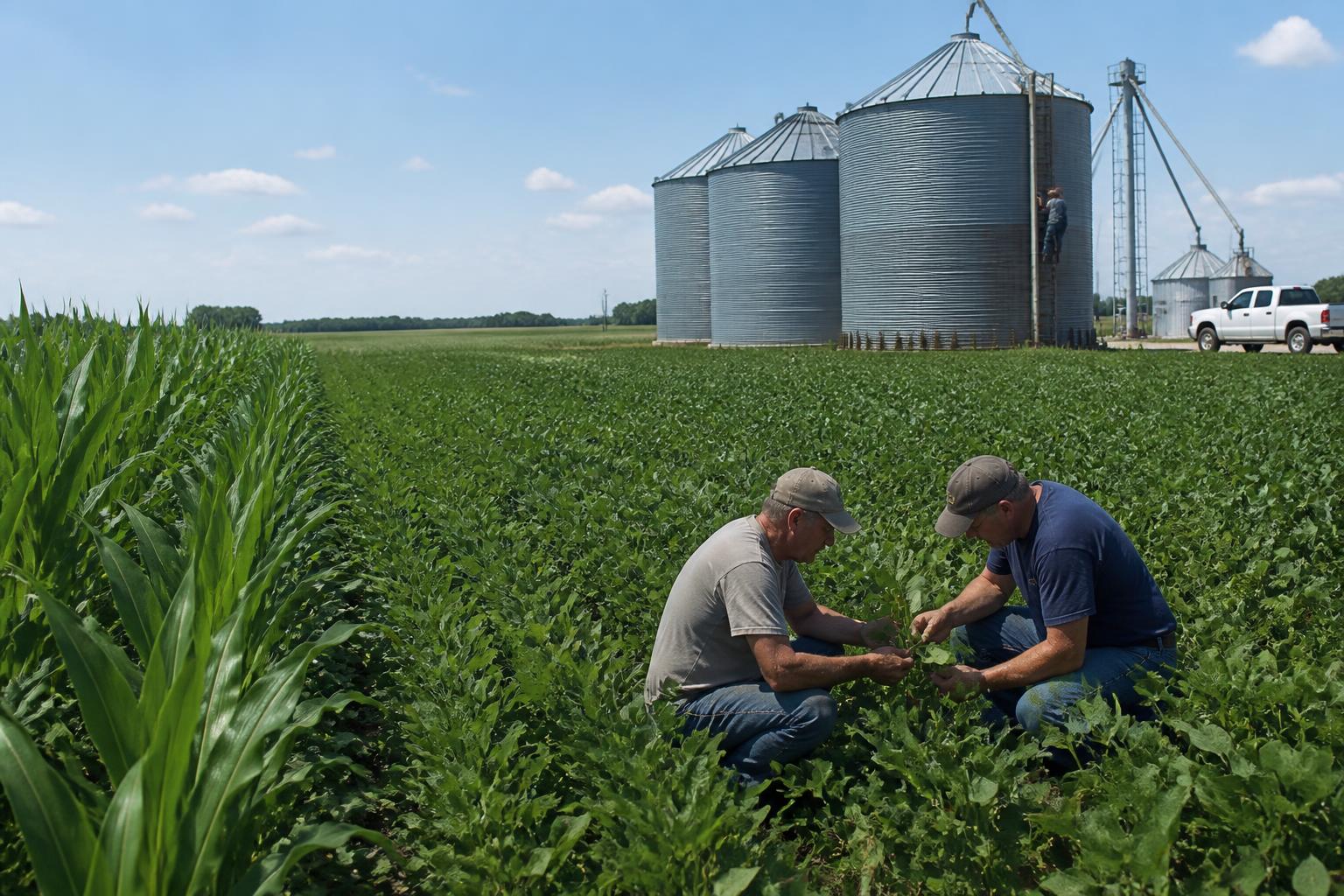
Nevada grain growers in areas like the Lahontan Valley and Humboldt County are navigating a complex summer landscape. Balancing high-desert water constraints with shifting global logistics and rising input worries, local producers are focusing on specialized markets to stay competitive. In an environment where standard commodity margins can be thin, Nevada's agricultural sector is finding resilience in local partnerships, advanced research, and premium end-use crops.
The Local Value-Add Edge in Nevada's Grain Fields
Rather than competing directly with the massive grain volumes of the Midwest, Nevada producers often find success by targeting high-value niche markets. A prime example of this "crop-first" philosophy can be found in Fallon, where local operations like Frey Ranch grow their own grains specifically for high-end distilling. This direct-from-the-field model insulates growers from some of the volatility of the national cash market and keeps value within the state's borders.
At the same time, regional institutions are preparing the agricultural sector for long-term climate shifts. The University of Nevada, Reno (UNR) has been actively experimenting with drought-tolerant alternative crops. These trials aim to provide local farmers with viable, low-water alternatives as summer temperatures rise and water allocations become more tightly controlled. Navigating these dry conditions is easier when coupled with drought-resilient growing practices in Nevada's high-desert regions, allowing growers to maintain consistent output.
Input Anxiety and Global Logistics Shake Up Summer Budgets
While local demand for feed and distilling grains remains a bright spot, national input trends are casting a shadow over summer planning. Across the country, farmers are expressing concern over rising consolidation in the fertilizer sector, driven by major acquisitions such as the Koch fertilizer plant purchase, as well as corporate restructuring from global players like OCI N.V. For Nevada growers, who already face high overland shipping costs to bring inputs over the Sierra Nevada or up from regional hubs, any upward pressure on fertilizer and biocide prices requires strict budget management.
On the logistics side, geopolitical tensions in key maritime corridors like the Strait of Hormuz continue to inject volatility into energy markets. Even though Nevada's grain trade is largely domestic or focused on West Coast ports, fluctuations in fuel and transport costs quickly trickle down to local trucking rates along major corridors like Interstate 80. Managing these transportation challenges is essential, making it helpful for operators to stay informed on local value-add processing and grain logistics during peak shipping months.
Managing Scarce Resources and Storage
Water management remains the single most critical factor for Nevada agriculture. Innovative conservation strategies, such as managed aquifer recharge through off-season irrigation, are increasingly discussed as tools to stabilize groundwater levels in hyper-arid agricultural regions. By utilizing excess surface water when available, growers can help secure the aquifers that support their summer wells.
Additionally, keeping storage facilities secure is top of mind. While Nevada is spared from the severe storm systems like Midwest derechos that frequently damage grain bins and demand urgent rebuilding efforts, maintaining structural integrity against extreme summer heat and dry winds is still a priority for local operations to prevent spoilage and protect high-value specialty harvests.
Key Takeaways for Nevada Growers
- Specialized Contracting: Direct contracts with local craft distillers and regional livestock feeders offer insulated pricing compared to standard commodity channels.
- Water and Soil Strategy: Exploring UNR's drought-tolerant crop findings can help optimize field planning for upcoming seasons.
- Input Vigilance: With corporate consolidation threatening fertilizer pricing, securing input contracts early is crucial to managing overhead.
What it means for the market
For Nevada's grain sector, the summer of 2026 highlights a clear divergence from the national commodity grind. While global shipping risks and fertilizer consolidation keep input costs high, Nevada's path forward lies in premium localization. Growers who align their production with local specialty buyers and adopt efficient, water-conscious agronomic practices are best positioned to thrive despite the challenging high-desert climate.
Comments
No comments yet — be the first to share your take.