
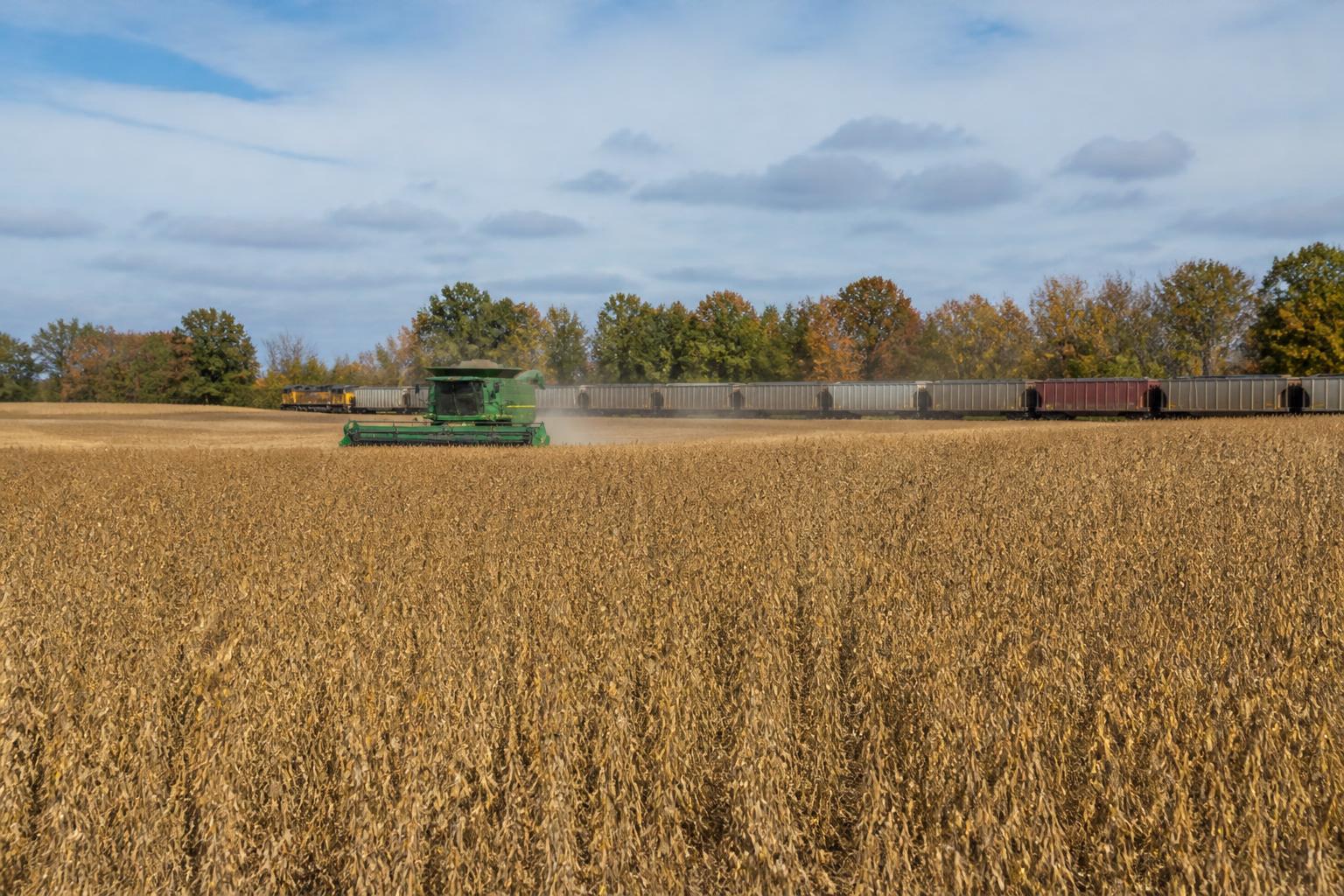
As we move deeper into October, the Louisiana agricultural landscape remains focused on the efficient movement of grain to export facilities. With the regional harvest largely progressing, logistics managers and local elevators are closely monitoring the fluidity of rail corridors. Efficient grain transit remains the primary variable for determining local basis levels and overall elevator capacity heading into the busiest weeks of the fall season.
Evaluating Rail and Barge Performance
Rail performance has been a focal point for the industry recently, with major freight carriers working to maintain shuttle train turn times across key corridors. While rail movement facilitates the steady transfer of grain toward Gulf ports, the reliance on high-volume shipping routes means that any localized slowdowns can have ripple effects for shippers. Similarly, barge traffic remains central to the state's export infrastructure, particularly as demand for corn and soybean shipments intensifies.
Input Pressures and Operational Costs
Beyond the logistical challenge of moving harvested crops, producers are continuing to assess their long-term cost structures. Elevated fuel prices remain a primary concern for many Louisiana operators, impacting everything from on-farm transport to the delivery of critical inputs like fertilizer. While recent discussions regarding the expansion of domestic phosphate production offer a potential buffer for the coming years, immediate operational margins remain sensitive to current energy expenditure patterns.
What it means for the market
For Louisiana farmers and agribusinesses, the current environment demands a focus on agility. Staying informed about grain pricing and local market conditions is essential as we navigate the remainder of the fall shipping season. Tight margins underscore the importance of leveraging regional logistical advantages, especially as industry analysts continue to track how shifting global demands are reshaping the way food products flow through the state's critical infrastructure. Careful planning remains the best defense against the volatility currently seen in both fuel costs and transit efficiency.
Comments
No comments yet - be the first to share your take.