
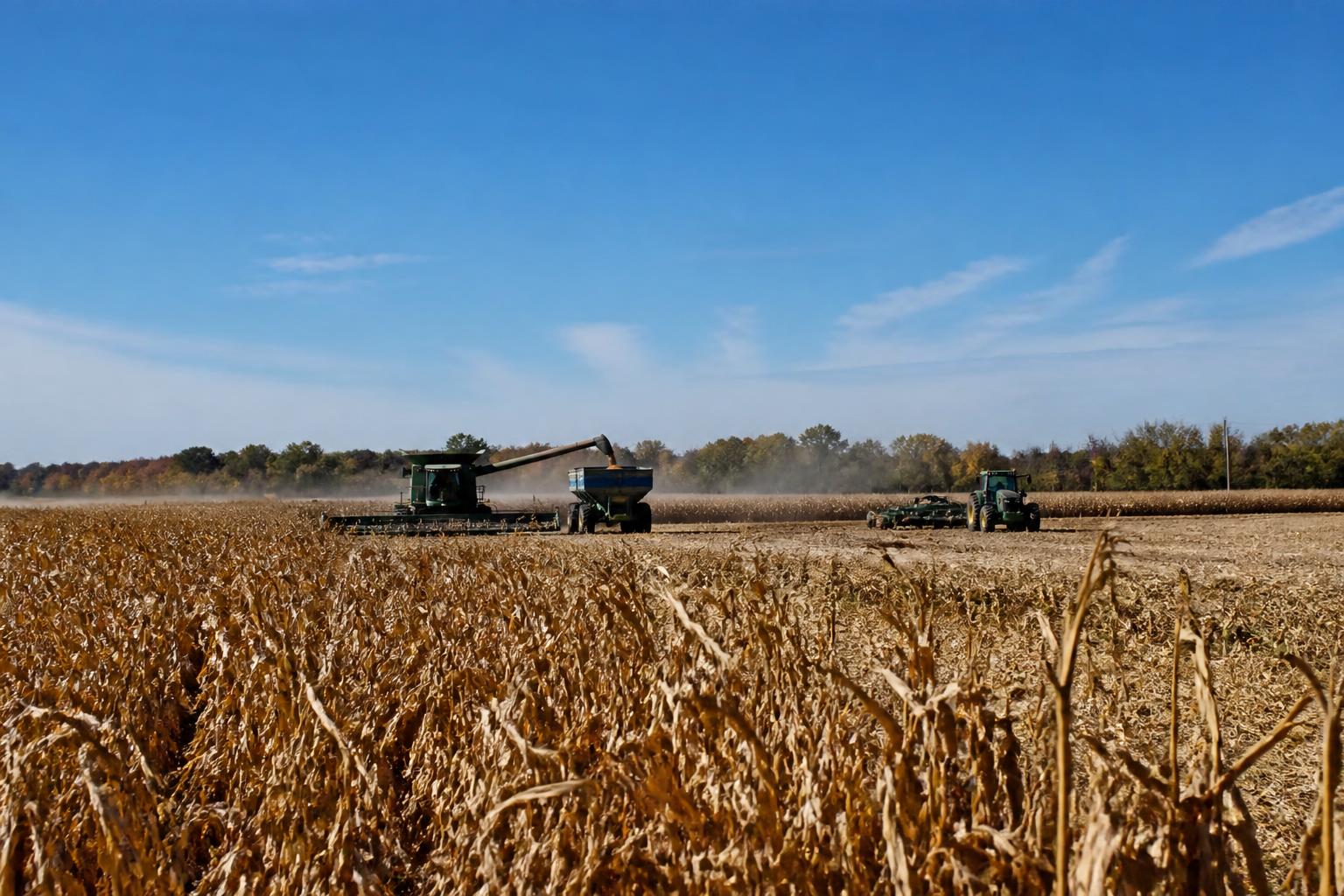
As we move deeper into the fall season, Louisiana agricultural producers and grain handlers are keeping a close eye on the vital arteries of the Mississippi River. With the fall harvest in full swing across the state, ensuring that grain moves efficiently from elevator to port remains a top priority for growers throughout the Louisiana river parishes and coastal regions.
Recent data indicates that the export landscape at Gulf ports is seeing mixed bid activity. While high-volume transit continues at key bottlenecks, operators should be aware of how broader logistical fluctuations, such as those noted in recent Louisiana grain market trends, might influence local delivery schedules. Keeping a finger on the pulse of regional pricing is essential as harvest proceeds.
Navigating Potential Supply Chain Disruptions
Logistical reliability remains at the forefront of agribusiness operations. Market participants are monitoring the potential for disruptions, as noted in recent reports regarding Louisiana port throughput and freight efficiency. Even minor delays at coastal hubs can ripple through the supply chain, affecting the speed at which producers can clear their grain bins to make room for late-season volume.
Beyond immediate logistical concerns, input costs remain a significant variable. Producers are watching wholesale fertilizer markets closely as we head toward the winter months, with price trends potentially impacting planting strategies for the coming cycle. Understanding these baseline cost shifts is critical for long-term farm gate profitability in a volatile global market.
Market Coordination for Louisiana Producers
For those managing inventory, staying informed on current grain buyers and market prices is the best defense against regional volatility. With harvest progress hitting its stride, the interplay between barge traffic volume and export terminal capacity will likely dictate the pace of movement for the remainder of the quarter.
What it means for the market: Producers and agribusinesses should prioritize building flexibility into their logistics plans this fall. Given the current variability in export bids and the potential for infrastructure-related bottlenecks, maintaining active communication with regional elevators and monitoring real-time logistics updates will be key to capturing optimal pricing windows and avoiding costly transit delays.
Comments
No comments yet - be the first to share your take.