
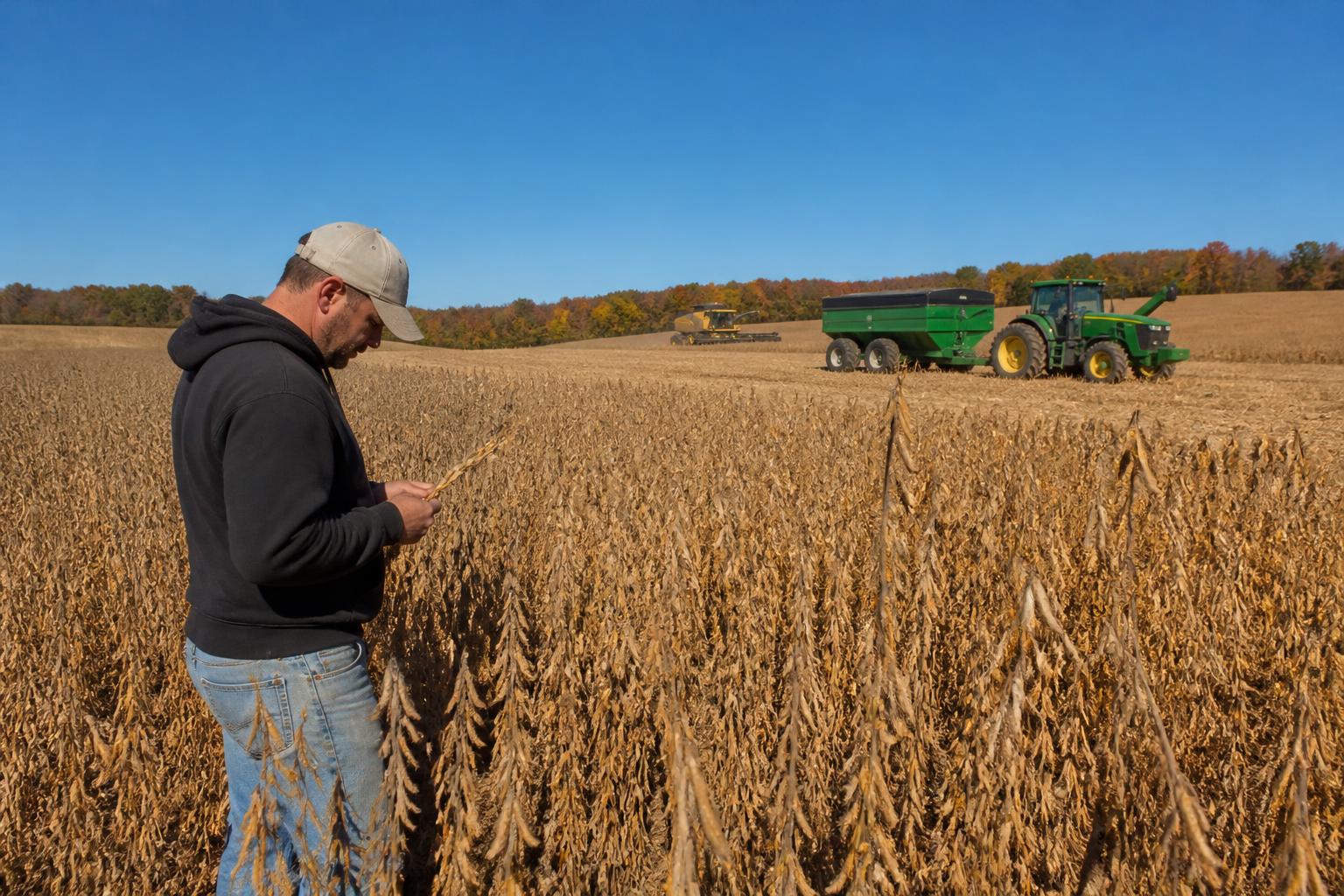
For Delaware farmers, the current fall harvest season is defined by more than just yield expectations. As combines move across the fields of Kent and Sussex counties, the focus of the local grain trade is increasingly tied to the complexities of the broader supply chain. With freight costs continuing to face upward pressure, local operators are tasked with managing tighter margins while balancing the movement of crops toward key mid-Atlantic shipping corridors.
The agricultural economy often reflects the ripple effects of global energy markets. Because fuel is a major component of transportation expenses, volatility in oil prices can significantly impact the final price received at the elevator. When energy costs spike, the cost of moving grain from the field to storage or to the port typically rises, creating a difficult environment for those operating on thin margins. For more perspective on navigating these seasonal challenges, see our latest analysis on market trends in Delaware agriculture.
The Impact of Rising Operational Costs
Beyond fuel, the cost of essential inputs remains a primary concern for local agribusinesses. The interplay between global fertilizer availability and regional demand can lead to price swings that complicate planning for the upcoming season. Efficient logistics are no longer just an advantage but a necessity for staying competitive in the grain sector. Farmers who have optimized their field operations often find more flexibility when managing the logistical bottlenecks that arise during peak harvest. For additional insights on managing these overheads, consider reading our guide on balancing fall logistics and regulatory shifts.
Adapting to a Shifting Grain Market
In the current environment, the ability to make informed decisions about when and where to move grain can be the difference between profit and loss. As regional elevators and carriers adjust to the realities of higher operating expenses, the importance of reliable, real-time market data becomes paramount. Whether you are looking to sell your current grain stocks or refine your post-harvest strategy, staying ahead of regional logistics shifts is essential. Maintaining a lean operation through careful timing and strategic planning remains the best defense against the current economic headwinds.
What it means for the market
Delaware producers should expect continued sensitivity to fuel and freight pricing throughout the remainder of the fall season. While harvest progress remains steady, the cost-to-market ratio will likely dictate selling behavior for many local grain handlers. Maintaining flexibility in delivery schedules and keeping a close watch on regional elevator premiums can help mitigate some of the financial strain caused by wider energy-linked volatility.
Comments
No comments yet - be the first to share your take.