
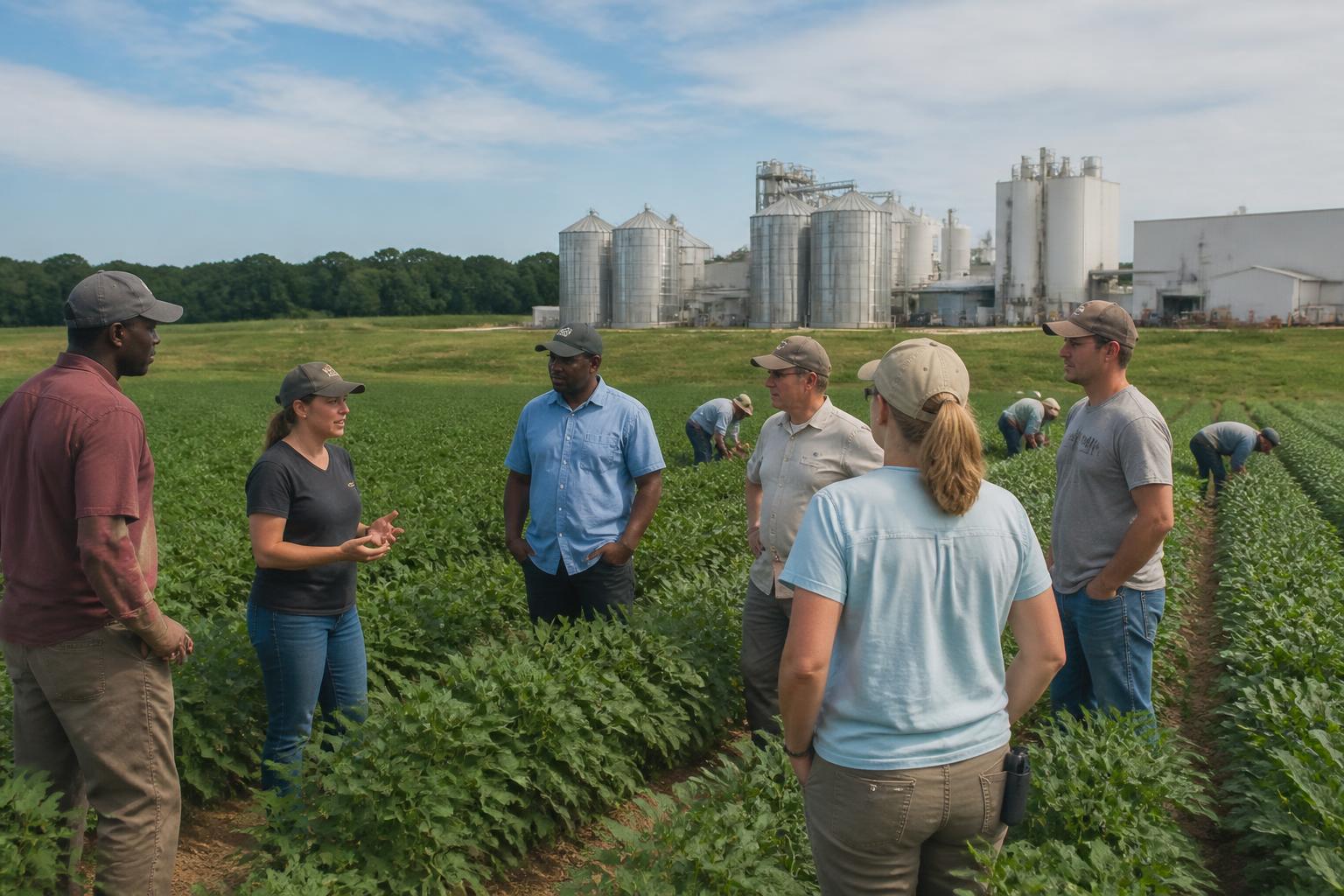
As summer field operations ramp up across South Carolina, agricultural logistics networks are adjusting to shifting freight volumes and weather-driven transit delays. While growers in some regions navigate recent rain damage that has complicated field access, the state's inland shipping infrastructure is moving record-breaking volumes of cargo. Navigating these regional transport dynamics is critical for grain handlers, heavy-haulers, and input suppliers operating along major corridors like Interstate 95 and Interstate 26.
Efficient movement of goods remains the backbone of the state's agricultural economy. With shipping demands peaking, staying informed on South Carolina summer freight flow priorities helps logistics operators position assets where they are most needed to prevent bottlenecks.
Inland Port Dillon Drives Regional Intermodal Growth
A key bright spot in South Carolina's ag logistics landscape is the performance of Inland Port Dillon. The facility, which links upstate and Pee Dee region shippers to the Port of Charleston via rail, recently marked its busiest calendar year. This surge in intermodal activity highlights the growing reliance on rail transport to bypass highway congestion and rising over-the-road freight costs.
For agricultural shippers, Inland Port Dillon offers a critical release valve, allowing bulk commodities and processed products to transition seamlessly to export markets. As regional grain market expansion across the state continues to attract investment, the efficiency of these intermodal hubs determines how competitively local crops can reach international buyers.
Weather Extremes Complicate Farm-to-Market Hauling
While intermodal hubs are thriving, first-mile logistics have faced local hurdles. South Carolina Department of Agriculture Commissioner Hugh Weathers recently highlighted significant rain damage in parts of the state. Torrential downpours have delayed field activities, disrupted local county roads, and slowed down early summer harvest schedules. Conversely, some areas are keeping a close eye on rising drought worries, which could accelerate crop maturity and create sudden, highly concentrated demands for harvest logistics.
These rapid shifts between excessive moisture and dry spells require carriers to remain highly flexible. Truckers hauling perishable produce or early-season grains must carefully coordinate with local elevators and receiving terminals to manage wait times and avoid idling in transit.
Industrial Growth and Local Input Logistics
In addition to outbound crop logistics, the movement of agricultural inputs is seeing notable shifts. The opening of a high-capacity biologicals production facility by Syngenta in South Carolina represents a major expansion of local input manufacturing. This development is expected to alter regional truckload patterns, creating steady demand for inbound raw materials and outbound specialized transport for biological crop protection products.
Key Takeaways for SC Ag Logistics
- Intermodal Efficiency: Inland Port Dillon's record volumes show the strength of rail-to-port connections for agricultural exporters.
- Weather Contingencies: Rain-damaged roads and local harvest disruptions require real-time route planning and flexible carrier scheduling.
- Input Shipping Shifts: Increased local manufacturing of biological inputs is creating new freight corridors and lane opportunities within the state.
What it means for the market
The South Carolina agricultural transport market is experiencing a transition toward highly integrated, intermodal shipping patterns. While weather-related disruptions will continue to pose short-term challenges for regional farm-to-market roads, the long-term expansion of inland port capacity and local input production facilities provides a stable foundation for the state's logistics sector. Freight operators who diversify their services between traditional over-the-road hauling and intermodal rail connections will be best positioned to capture steady volume through the summer and into the fall harvest.
Comments
No comments yet - be the first to share your take.