
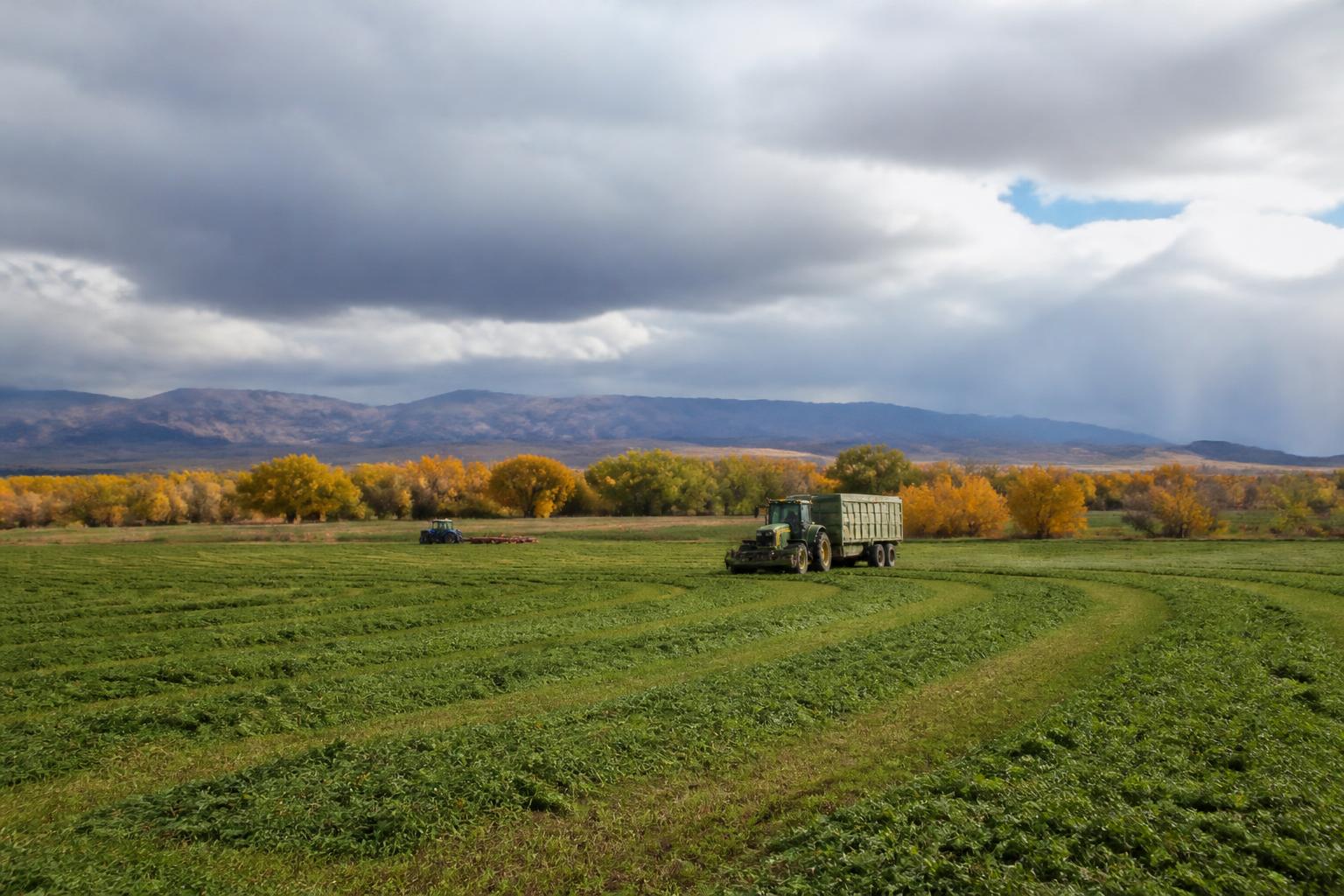
As the fall harvest season hits its stride across Utah, agricultural producers are increasingly focused on the intersection of logistical constraints and shifting market pressures. While fieldwork remains the priority in regions like the Cache and Sevier valleys, the movement of grain and forage continues to face scrutiny due to local traffic congestion and the ongoing need for efficient transport solutions through sensitive mountain corridors.
Managing Throughput in Mountain Corridors
Transportation remains a persistent variable for many in the state. In high-traffic areas such as Heber City, the influx of heavy vehicles during peak harvest can create significant bottlenecks, forcing local haulers to adjust their timing to avoid peak civilian traffic. For those managing grain or hay movement, utilizing alternative secondary routes or scheduling hauls during off-peak hours has become a standard, if challenging, operational adjustment. Improving these logistics is often part of the broader discussion about regional growth, as local producers weigh the long-term feasibility of truck-heavy supply chains versus potential long-term alternatives like rail connectivity.
Input Costs and Operational Realities
Beyond the field, the bottom line is being shaped by global economic currents. Fertilizer costs remain a top-of-mind concern for Utah agribusinesses, with many producers keeping a close watch on international market volatility. For those planning for the next planting cycle, managing these input expenses is essential for maintaining liquidity. These financial pressures underscore the importance of leveraging regional support, such as current state initiatives aimed at producers navigating storage and logistics challenges, which may help mitigate some of the operational headwinds faced this year.
What it means for the market
The current market landscape is one of careful calculation. With harvest-time logistics requiring precise coordination to bypass local traffic hurdles and fertilizer prices keeping margins tight, profitability relies on efficient asset utilization. Looking ahead, the focus for Utah operations will likely shift toward optimizing storage capacity and planning for cost-effective input procurement to navigate potential supply chain uncertainties heading into winter.
Comments
No comments yet - be the first to share your take.