
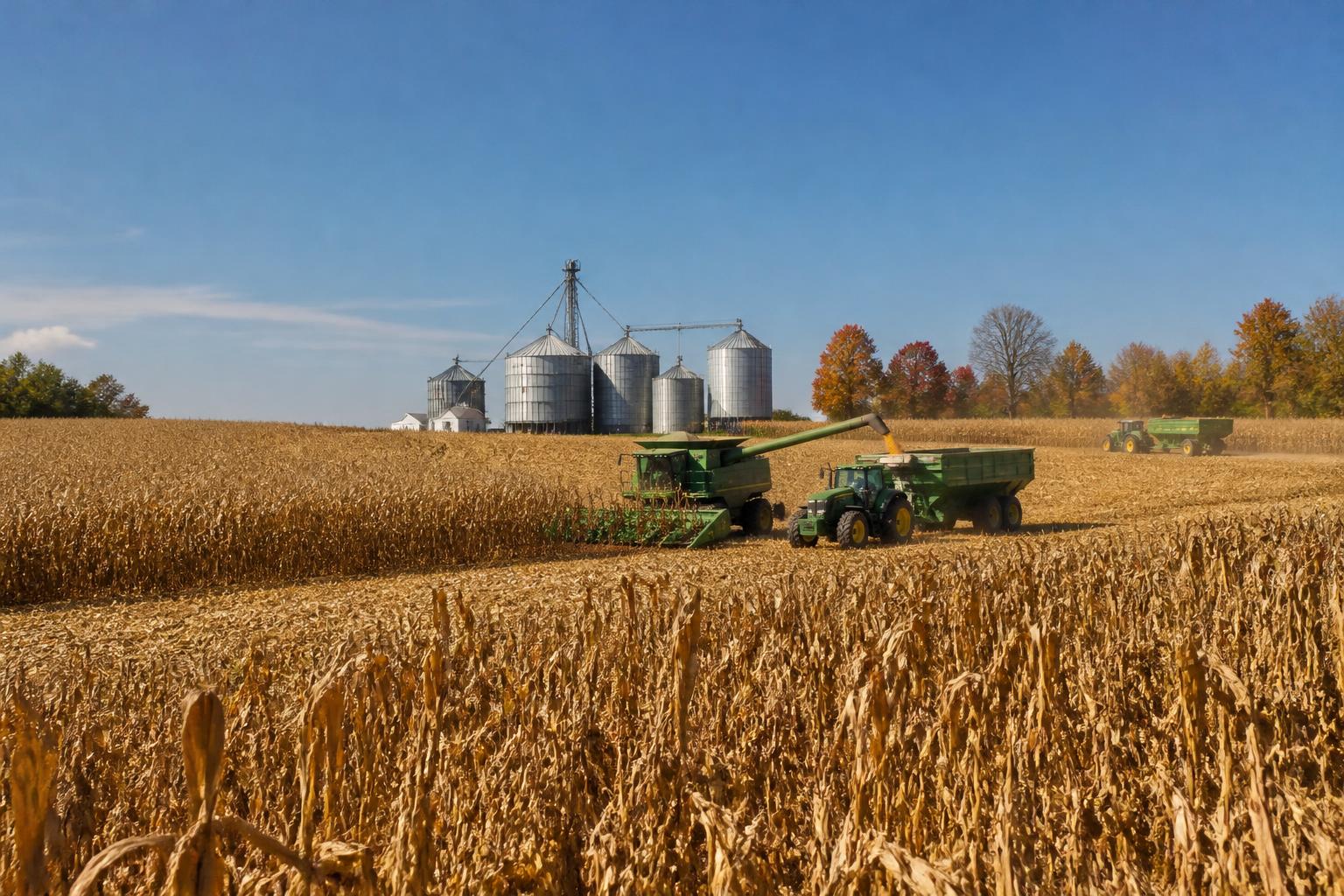
With the Kentucky corn harvest in full swing across the state, the focus for many growers has shifted from the field to the facility. Managing the volume of incoming grain requires reliable infrastructure, yet recent severe weather events have posed significant challenges for producers in various regions, leading to the destruction of silos, equipment, and critical storage assets.
To assist in the recovery and long-term stabilization of local operations, the USDA has announced funding initiatives aimed at the construction of new farm grain storage facilities. This support is specifically targeted at areas that have been impacted by natural disasters, providing a mechanism for operators to rebuild and modernize their storage capacity following recent losses. For those looking to manage their output effectively during this busy season, understanding the best practices to sell grain in Kentucky is essential as regional throughput remains high.
Infrastructure Resilience in the Face of Volatility
The recent surge in infrastructure demand underscores the necessity of robust storage planning. While managing October logistics remains a primary hurdle for many elevators and producers, the availability of funding for new, resilient storage structures offers a path to mitigate future risks associated with unpredictable climate events. Farmers in major producing counties should evaluate their current capacity to determine if their existing footprint can handle peak seasonal demand or if modular storage solutions are required to maintain quality.
Optimizing Post-Harvest Operations
As the season progresses, the priority for agribusinesses is to maintain a steady flow from the field to the bin. In addition to structural repairs, producers are increasingly looking toward technological integrations that improve efficiency and reduce waste during harvest. Proper handling during this period is vital, especially as regional logistics continue to navigate heavy traffic and the typical pressures of a high-yield fall. For more insight on broader regional shifts, growers can review recent analysis on Kentucky ag logistics and throughput trends.
Key Takeaways
- USDA funding is available for grain storage reconstruction in disaster-impacted areas.
- Kentucky corn harvest remains in full swing, placing a premium on reliable onsite storage.
- Producers are encouraged to audit their infrastructure to prepare for peak seasonal throughput.
What it means for the market: The influx of disaster-relief funding for storage capacity is expected to help stabilize regional grain markets by ensuring producers have the necessary infrastructure to hold inventory rather than being forced to sell into a saturated market. For Kentucky farmers, this focus on recovery and structural hardening is a critical step in maintaining competitive leverage during the remainder of the harvest season.
Comments
No comments yet - be the first to share your take.