
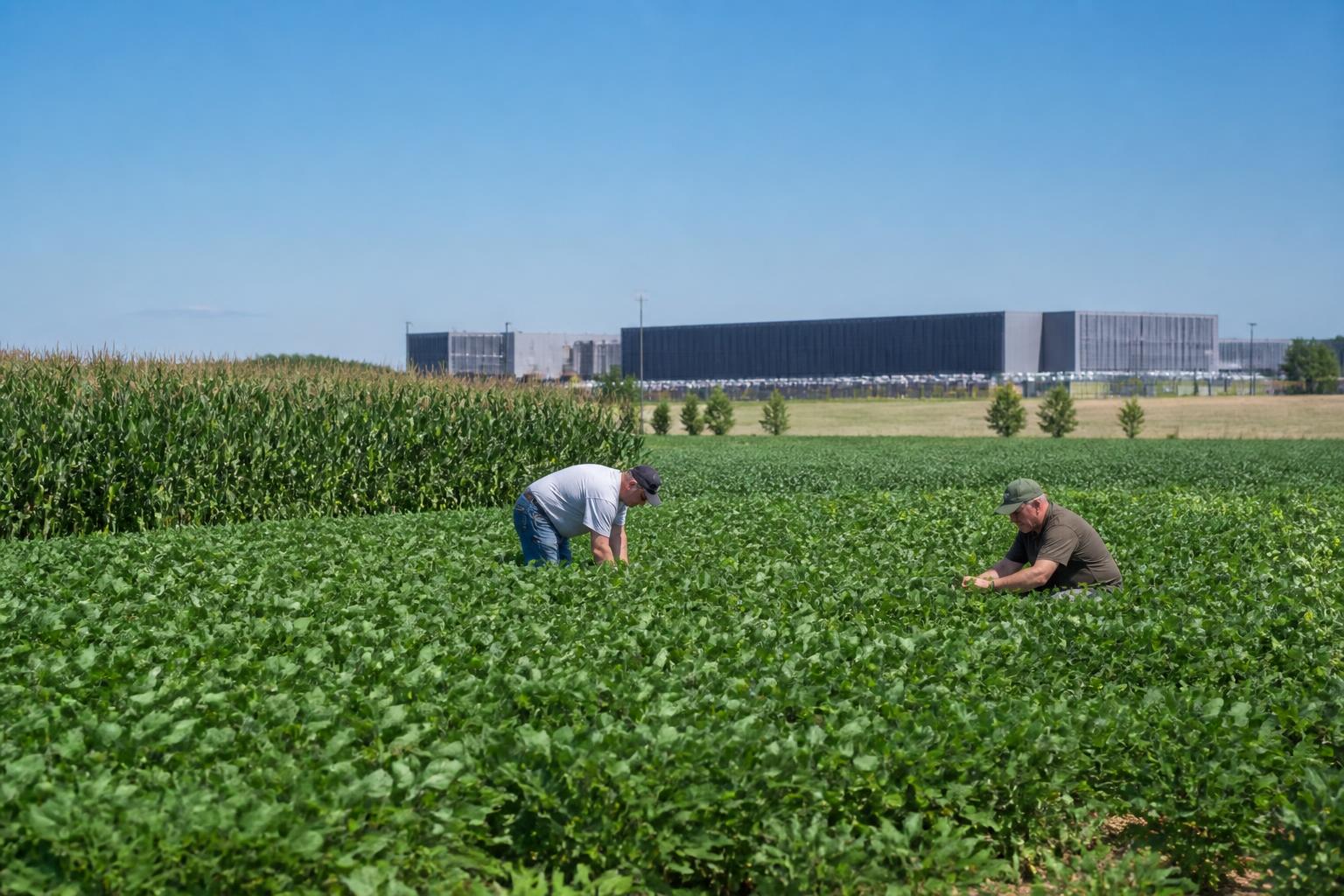
Summer has arrived in the Buckeye State, bringing a complex economic landscape for local crop producers. While global crude oil benchmarks have shown signs of pulling back, retail input costs - specifically commercial fertilizers and diesel fuel - remain stubbornly high. This persistent price disconnect is squeezing operational margins just as summer side-dressing, crop scouting, and post-planting maintenance swing into full gear across Ohio's major agricultural corridors.
From the Maumee River Basin in the north to the southern fields of the Miami Valley, Ohio grain handlers and farmers are forced to balance these high operational expenses with increasingly rigorous environmental standards. Maximizing nutrient efficiency is no longer just an ecological goal, but a financial necessity for survival in today's market.
Retail Price Disconnect Squeezes Ohio Margins
National corn grower associations and regional farm advocates have increasingly called out major fertilizer manufacturers for what they characterize as unfair pricing strategies. Even when raw energy costs dip, retail prices for nitrogen, phosphorus, and potash often lag on the descent, keeping retail prices high at local co-ops.
Ohio agribusinesses are working to help farmers mitigate these pressures. Structural changes, such as the newly formed Apex Grain Marketing, LLC - a joint venture between GROWMARK and Legacy Farmers Cooperative - are reshaping how regional logistics and crop inputs are managed. Growers looking to understand the broader retail environment can review previous trends in summer price pressures and retail consolidation to better navigate their purchasing decisions.
Stewardship and Water Quality Under the Spotlight
Adding to the financial pressure are local environmental obligations. The Ohio Farm Bureau recently highlighted the state's ongoing conservation efforts in its latest Water Quality Status Report. With public and regulatory focus remaining sharp on nutrient runoff, particularly in the Lake Erie watershed, Ohio farmers must manage their fertilizer applications with extreme precision.
In many parts of the state, maintaining proper certifications and following strict application rules is mandatory. To keep up with these evolving requirements, growers can benefit from our comprehensive overview of navigating nutrient stewardship and certification rules. Proper compliance not only protects local water resources but also helps ensure that expensive nitrogen and phosphorus applications are fully utilized by the crop rather than lost to runoff.
Practical Strategies for Cost Management
With prices remaining volatile, Ohio agronomists suggest several practical steps to optimize crop nutrition budgets this summer:
- Variable-Rate Technology: Utilize grid soil sampling and variable-rate applicators to apply nutrients only where yield potential justifies the expense.
- Split Applications: Splitting nitrogen applications can reduce overall volume requirements and lower the risk of leaching during sudden summer rainstorms.
- Local Sourcing: Coordinate with local retail cooperatives to tap into regional storage terminals and minimize freight surcharges.
What it means for the market
For the Ohio agricultural market, the combination of high input costs and strict environmental stewardship means that precision management is the primary path to profitability. Farmers should expect continued advocacy from agricultural groups pushing for transparent retail pricing. In the meantime, local operators must focus on highly localized, high-efficiency blending and precise application timing to protect their bottom lines through the remainder of the summer season.
Comments
No comments yet - be the first to share your take.