
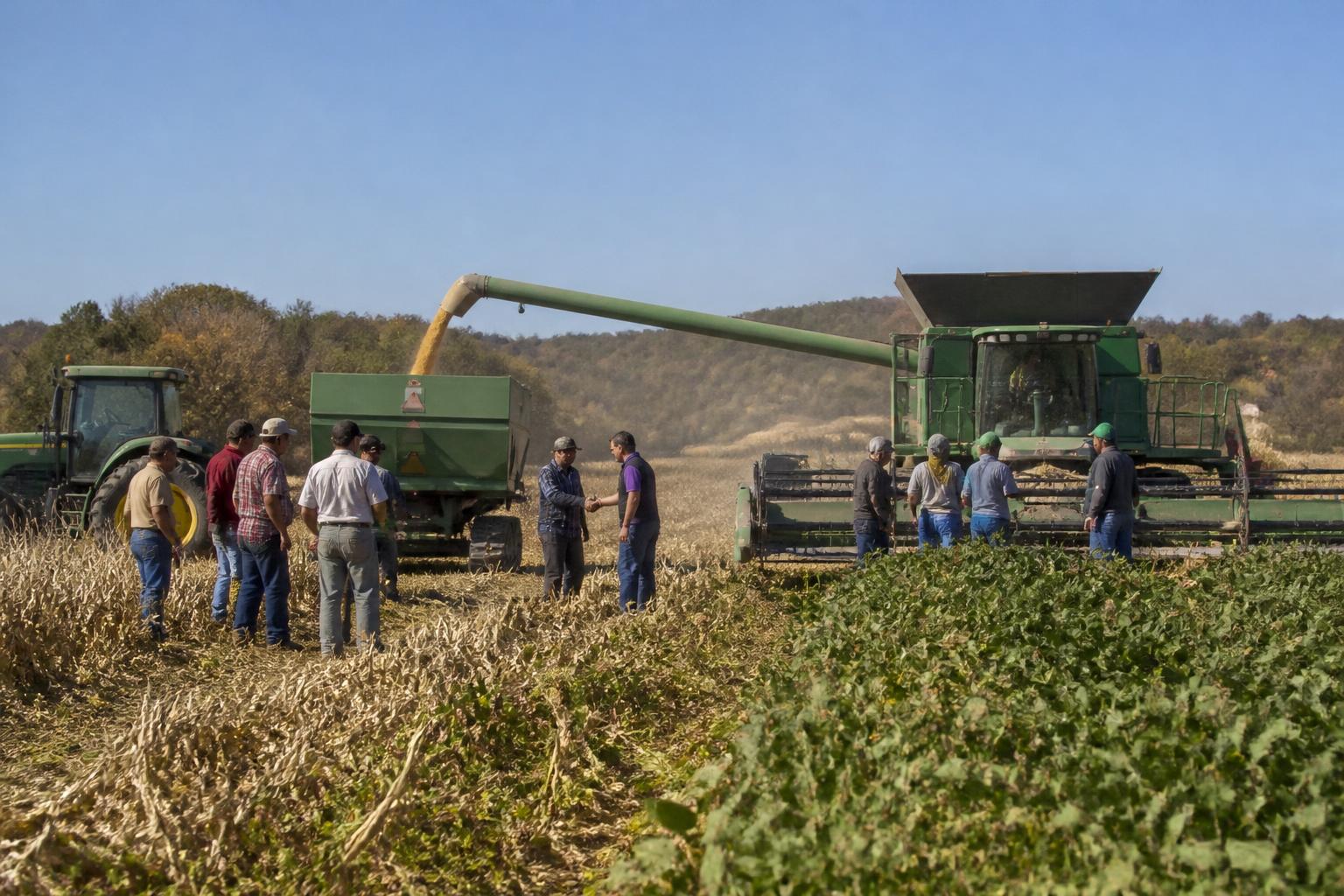
Adapting to Input Cost Pressures
As Texas farmers progress through the fall, the focus remains squarely on managing operational costs amidst a shifting agricultural landscape. Market observers have noted significant fluctuations in input requirements, with some agricultural centers projecting increased demand for fertilizer products. For producers looking to optimize their margins, understanding these supply chain dynamics is critical, especially when considering the logistics of moving grain and inputs across the expansive Texas highway network during peak seasonal windows.
Evaluating Crop Resilience and Future Opportunities
The pursuit of drought-hardy commodities continues to gain traction across the state. With shifting climate patterns often impacting traditional production, there is growing interest in specialized grains that can maintain yield stability in drier, challenging environments. Educational outreach and field days—often held in regions like the High Plains or Central Texas—are increasingly emphasizing research into these resilient varieties, aiming to align production capabilities with evolving consumer demand.
Operational Efficiency in a Competitive Market
Beyond the field, the conversation among Texas agribusinesses is increasingly centered on competitive equity within the input supply chain. Recent initiatives by grower organizations to investigate fertilizer market competition reflect a broader effort to protect producer profitability. Furthermore, the relaxation of regulatory restrictions on certain crop protection tools, such as the EPA's updated guidance on dicamba, offers a practical shift for those managing weed control programs in their late-season planning.
What it means for the market
For the Texas grain sector, the current environment demands a high degree of precision in risk management and logistical planning. Producers should remain attentive to regional supply chain updates and emerging research on water-efficient crop varieties. As the industry looks toward the next planting cycle, balancing these input costs against market-driven commodity pricing remains the primary lever for securing long-term farm viability.
Comments
No comments yet - be the first to share your take.