
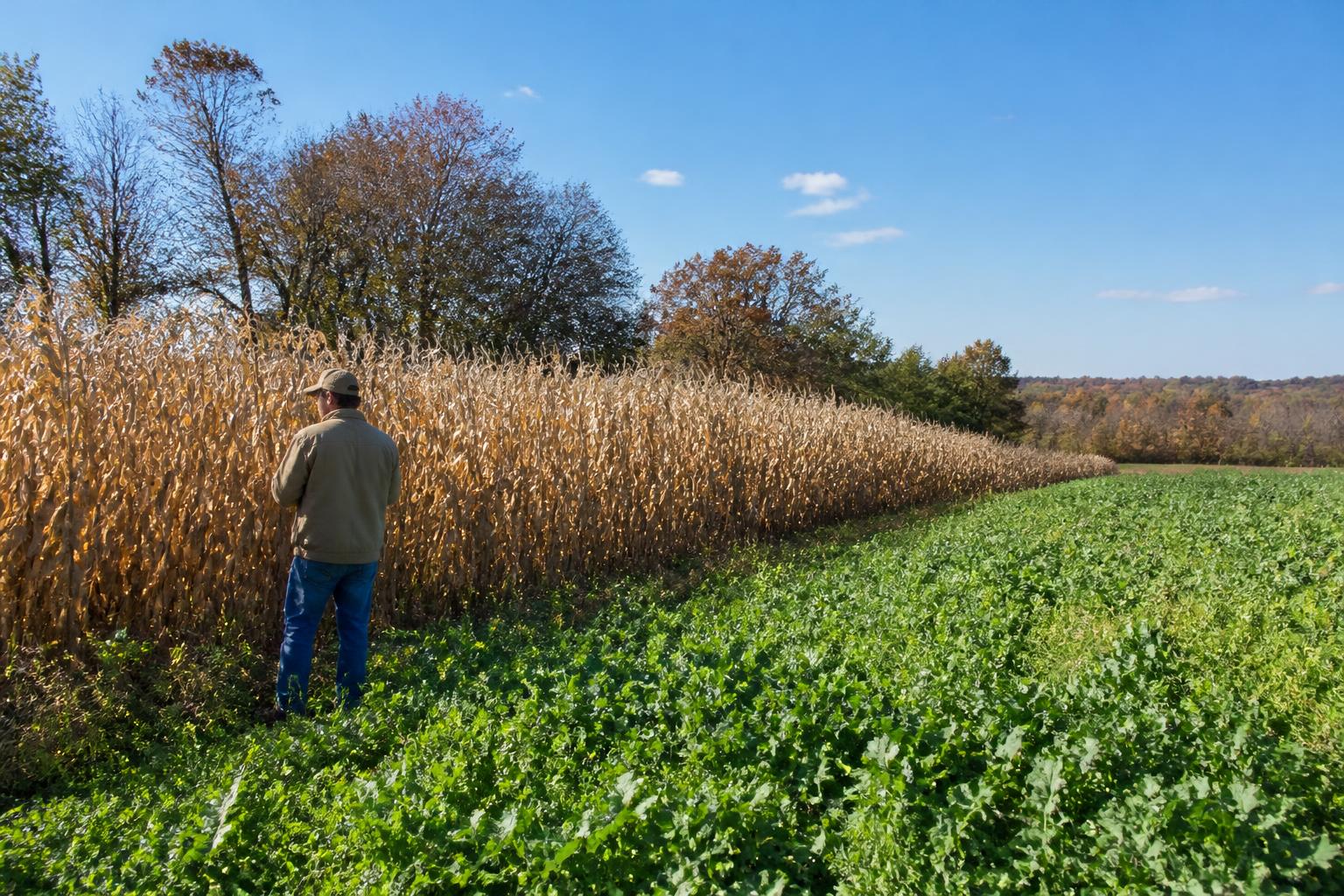
As the fall harvest progresses across Texas, producers and grain handlers are closely monitoring the interplay between regional output and logistical efficiency. With the harvest season now in full swing, the focus shifts toward the smooth transition of grain from fields to regional storage and, ultimately, to major transit hubs. For many across the state, managing the pace of grain flow is essential to maintaining regional export basis and logistics stability.
Navigating Transport Headwinds
The logistics landscape in Texas remains sensitive to external cost pressures, including the broader energy market, which can influence freight rates throughout the harvest window. While producers work to secure capacity, local elevators are managing the intake of grain, balancing speed with storage limitations. In some instances, current market conditions may necessitate a closer look at input costs and supply headwinds that continue to weigh on overall operational margins.
Managing Field-to-Market Efficiency
Beyond the immediate transport of grain, producers are evaluating long-term sustainability and risk mitigation. This includes utilizing updated tools to manage revenue uncertainty and adopting adaptive management strategies for cover crops during the off-season. As regional teams continue to monitor post-event recovery, such as addressing impacts from recent weather patterns, the resiliency of local supply chains remains a top priority for Texas agribusinesses.
What it means for the market
For farmers and transport partners, the coming weeks are critical for maximizing harvest profitability. By staying ahead of potential bottlenecks and utilizing regional storage strategies, producers can better navigate the complexities of the current market environment. Vigilance regarding fuel prices and coordinated scheduling with local elevators will be the deciding factors in maintaining consistent margins as the fall window closes.
Comments
No comments yet - be the first to share your take.