
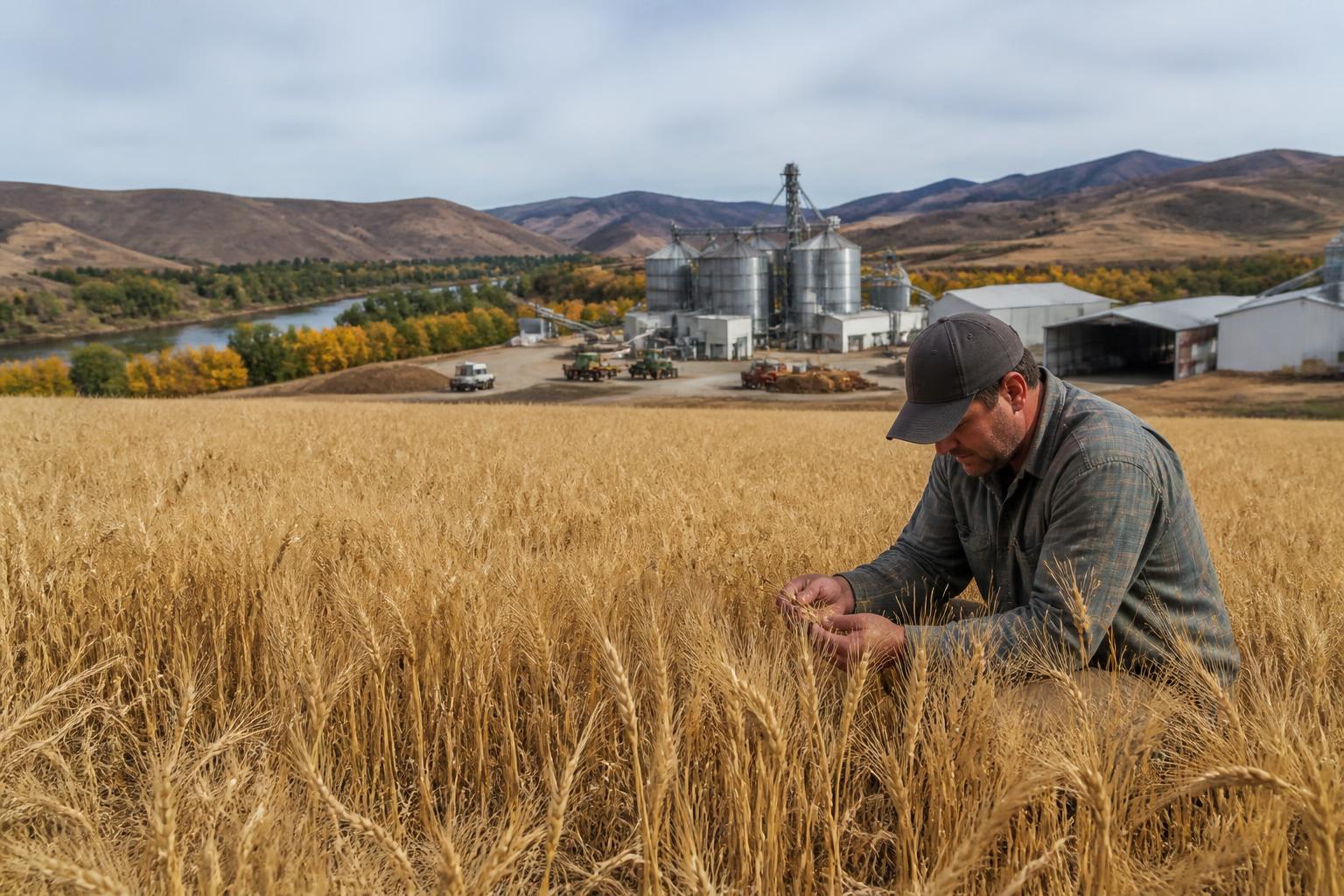
As the fall harvest season winds down across Idaho, regional producers are shifting their focus from field logistics to nutrient planning for the upcoming cycle. In a high-desert environment where water management in the Snake River basin remains a critical operational constraint, balancing input costs with soil health and yield optimization is top of mind for many agribusinesses.
Understanding the local supply chain is essential for effective farm management. Whether you are operating in Cassia County or across other major agricultural hubs, optimizing fertilizer procurement strategies often requires a proactive approach to handle potential price fluctuations and regional availability concerns. Managing these inputs effectively can help insulate your operation against broader market pressures.
Regulatory and Operational Considerations
The handling and storage of fertilizers remain a point of focus for regional operators. Safety protocols and chemical compliance are vital, as industry attention toward storage safety persists across the state. Ensuring that your facility meets current standards not only mitigates risk but also supports long-term operational resilience. For those looking to diversify their land management, integrating regenerative practices and soil-focused nutrient programs is gaining traction as a way to enhance farm productivity and sustainability.
Streamlining Harvest and Input Logistics
Logistical efficiency is the backbone of Idaho agriculture. As operations move from harvest to post-harvest maintenance, synchronizing the movement of equipment and materials is critical. Staying informed on optimizing harvest logistics can provide a competitive edge in managing the flow of inputs and outputs through peak demand periods. As regional infrastructure evolves, maintaining tight coordination with your local elevators and transport partners can prevent bottlenecks that often arise during transitions between seasons.
What it means for the market
For Idaho farmers and handlers, the current environment demands a blend of technical precision and fiscal caution. With regional water availability acting as a primary driver of land use and input intensity, growers should prioritize flexible procurement plans. By focusing on site-specific nutrient needs and staying aligned with regional infrastructure developments, you can better navigate the complexities of the current agricultural season and prepare for a stable fiscal year ahead.
Comments
No comments yet - be the first to share your take.