
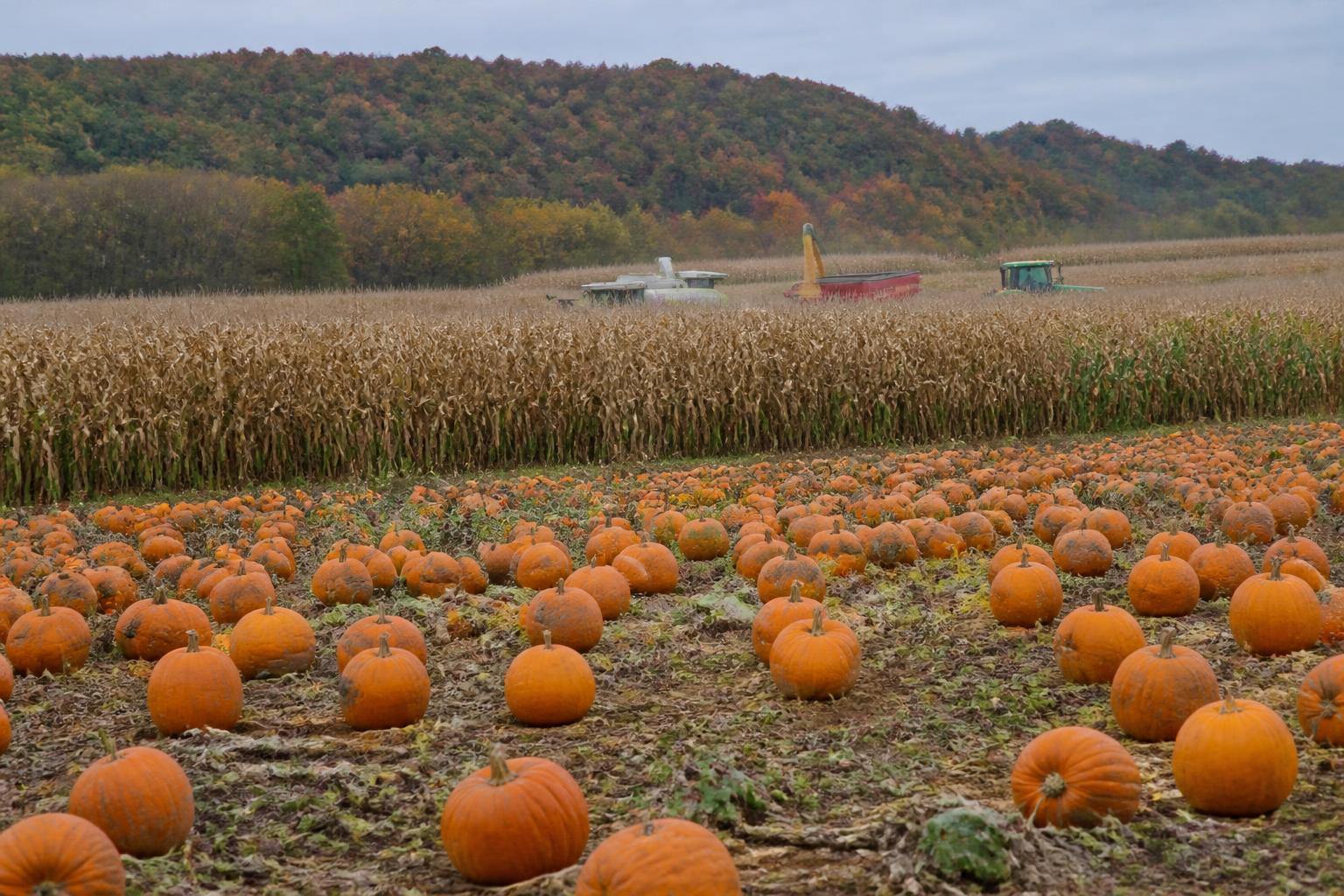
With the autumn season well underway, Nevada agricultural producers are entering a critical window for soil amendment and field preparation. As harvest activities wrap up in many northern and central valleys, the focus is shifting toward long-term soil health and nutrient management. Efficient resource allocation remains a top priority, especially as operators navigate persistent operational risks during these cooler, shortening days.
For many local operations, the availability of high-quality inputs is essential for stabilizing productivity ahead of the winter dormancy. The recent emergence of new research and commercial coverage concerning local organic phosphate sources has provided fresh interest for growers looking to diversify their soil fertility strategies. Choosing the right amendment is particularly important in Nevada's unique soil profiles where water retention and mineral balance are frequently tied to sustainable production models.
Aligning Fertility with Seasonal Logistics
Planning for next year's crop starts with the decisions made today. While current logistics often demand careful coordination—particularly regarding the movement of equipment and inputs across regional corridors—producers are increasingly looking at how localized supply chains can mitigate uncertainty. Integrating regional resources, such as those discussed in recent updates on Nevada's evolving soil fertility landscape, can help growers reduce reliance on volatile external inputs.
Furthermore, effectively managing these resources requires a keen eye on water and environmental regulations. As demonstrated in various navigational guides on resource management, the ability to adapt to shifting compliance landscapes is as vital as the inputs themselves. Establishing a consistent soil testing schedule and aligning amendments with professional guidance helps ensure that investments in organic or conventional fertilizers yield maximum long-term value for the soil.
What it means for the market
For Nevada agribusinesses and grain handlers, the current environment points toward a localized, data-driven approach to fertility. While global market shifts may impact the broader pricing of conventional fertilizers, the regional focus on organic and specialized phosphates offers a potential buffer for growers. Producers who secure their supply chain now and align their nutrient application strategies with current state-specific guidance are better positioned to weather upcoming market fluctuations and maintain steady operational yields throughout the season.
Comments
No comments yet - be the first to share your take.