
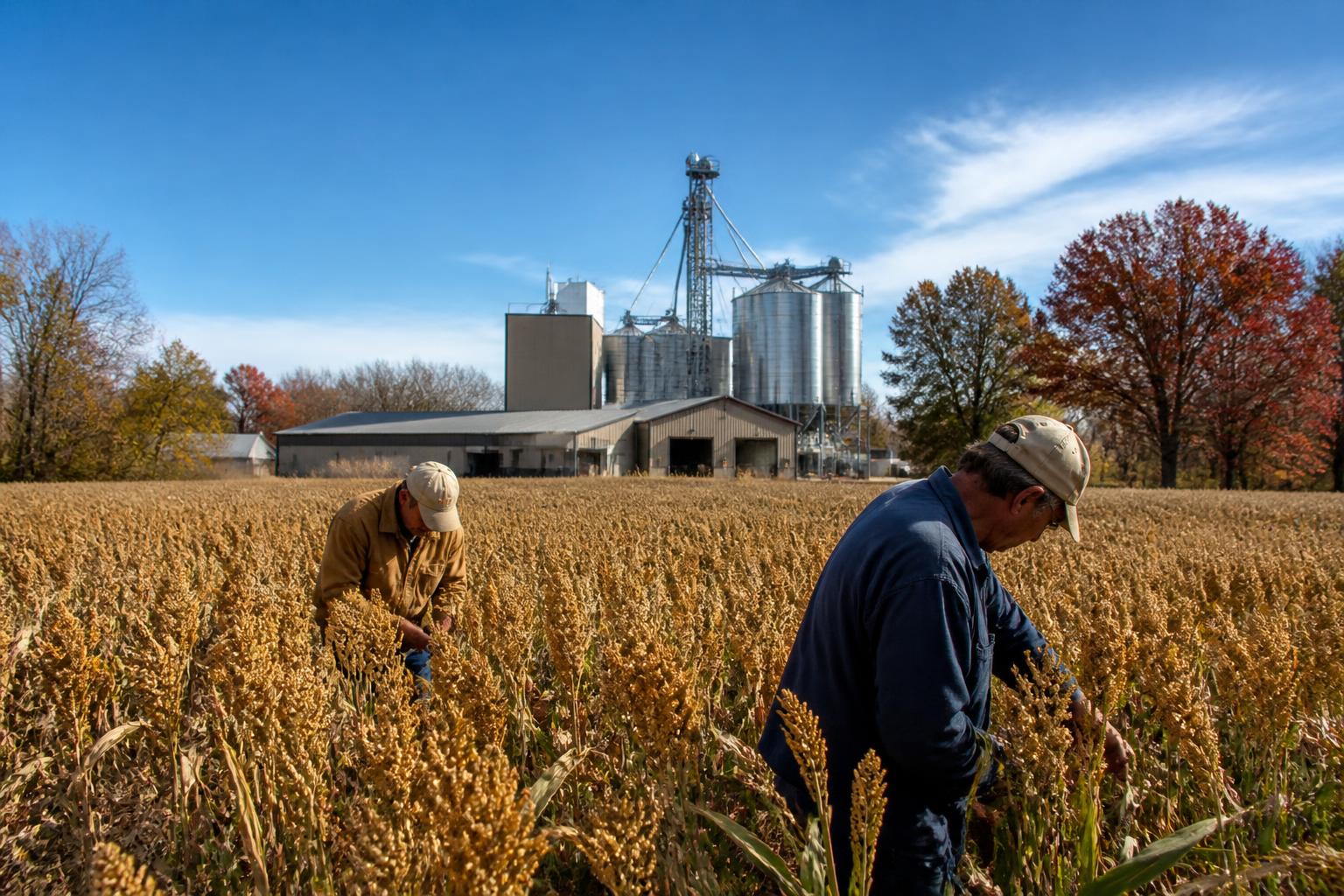
For Oklahoma farmers, the transition into late October brings a dual focus: securing the tail end of the harvest and balancing the books for the next growing season. As producers analyze recent input security and broader economic pressures, the fertilizer market remains a critical point of concern. Market volatility continues to influence procurement timelines, requiring operators to keep a close eye on regional price shifts as they plan their 2027 nutrient applications.
Evaluating Nutrient Strategies for 2027
In many parts of the state, particularly across the wheat-growing regions of the Panhandle and northern counties, the focus is shifting toward fall soil testing. With variable commodity prices impacting liquidity, producers are increasingly looking for ways to maximize input efficiency. Precision agriculture initiatives, including advancements in nutrient management, are becoming standard tools for operators aiming to reduce waste and improve yield potential on tighter margins.
Market Logistics and Local Supply
Agribusinesses across Oklahoma continue to monitor supply chain flows that often dictate local availability and pricing. While global shifts can ripple through to regional elevators and retail centers, local logistics often dictate when and how effectively inputs reach the field. It is a time for producers to maintain steady communication with local agronomists and suppliers to identify windows for pre-booking products, which may offer more price certainty heading into the winter months.
What it means for the market
The current agricultural landscape suggests a period of caution. Producers who are strategically aligning their input purchases with their specific crop rotation requirements—and taking advantage of technical support for soil health—may be better positioned to navigate the coming months. Staying informed on localized supply trends is essential as the state prepares for the transition into the next production cycle.
Comments
No comments yet - be the first to share your take.