
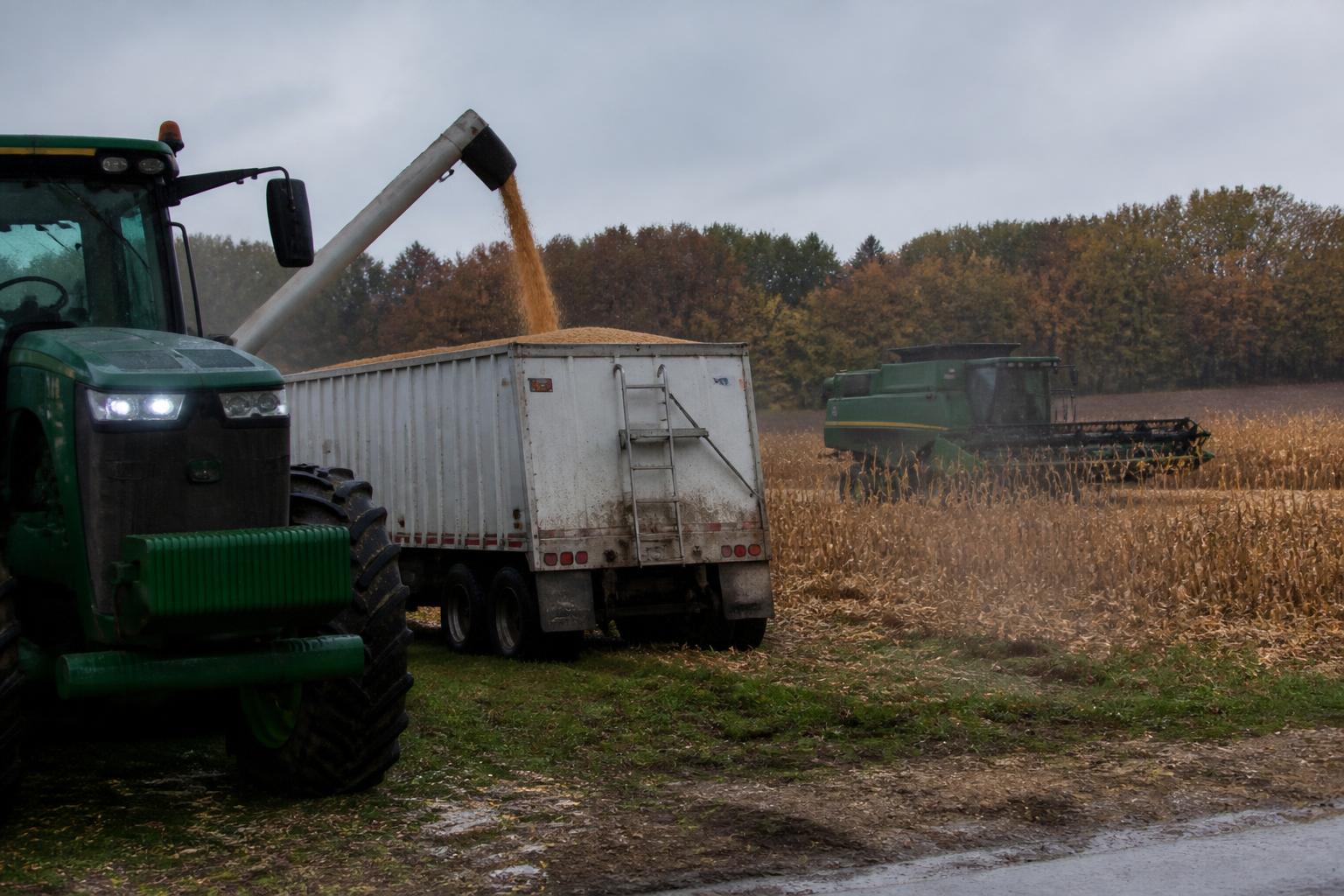
For many Indiana producers, the current fall harvest season is defined by a delicate balance between field progress and managing crop quality. While harvest activities move across the state, some producers have reported operational hurdles linked to historic rainfall, which has created sporadic but significant challenges regarding ear rot and overall stalk integrity in certain regions.
As moisture levels fluctuate, the focus for grain handlers and farmers often shifts toward the logistics of drying and storage. Managing these conditions effectively is vital for maintaining grain value before it reaches the elevator or moves into the supply chain. Ensuring that bins are prepared for varying moisture content and that transport schedules are adjusted for field accessibility can help mitigate some of the risks posed by recent weather patterns.
Monitoring Basis and Market Flow
Indiana continues to hold a strong position in the national landscape, serving as a key benchmark state for soybean basis. As the harvest matures, producers and elevators are closely watching how local supply chains respond to regional output. Staying informed on shifting infrastructure demands remains a top priority for those looking to optimize their seasonal logistics and transport routes.
In some parts of the state, particularly south-central areas, the combination of delayed fieldwork and the pressure to secure high-quality yields has kept operations running on tight timelines. As the industry looks toward the next phase, focusing on machinery efficiency and careful moisture management remains the standard for maintaining profitability during a busy, albeit unpredictable, fall season.
What it means for the market
The current market landscape emphasizes the importance of regional resilience. As Indiana growers navigate these late-season conditions, the ability to manage storage and transport despite weather-induced delays will be a deciding factor in overall net returns. Agribusinesses should continue to prioritize high-capacity drying and efficient coordination with logistics partners to ensure that grain quality is preserved throughout the remainder of the harvest window.
Comments
No comments yet - be the first to share your take.