
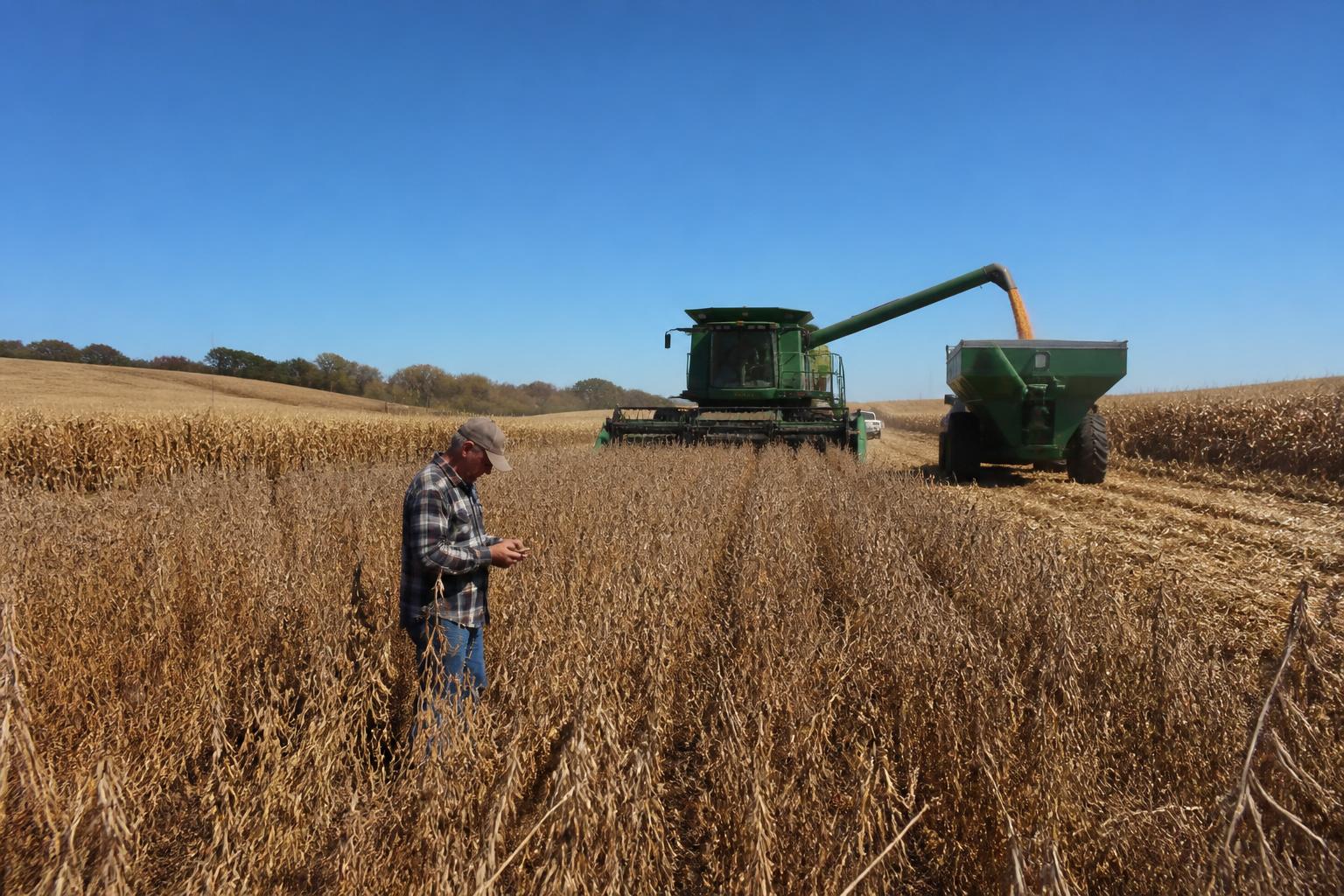
West Virginia farmers are currently navigating a complex operating environment. As the fall season progresses, the cumulative impacts of summer drought conditions continue to influence long-term planning, particularly regarding yield management and resource allocation. Producers across the state are focusing on optimizing their operational footprints to mitigate the pressure of ongoing input costs and broader infrastructure hurdles.
Supply Chain and Logistics Dynamics
In the broader agricultural logistics landscape, there is a renewed focus on expanding farm-to-distribution connectivity. For producers involved in specialty crops or organic regional sectors, efficient movement remains a priority. Recent developments in USDA-certified organic supply chains suggest that enhancing local distribution networks may help producers bypass some of the systemic bottlenecks that often plague regional agricultural commerce.
Furthermore, producers should remain aware of shifting regulatory interpretations regarding the transportation of agricultural commodities. Recent legal guidance has reinforced that states cannot prohibit the transit of specific crops like hemp, which provides a clearer framework for carriers and logistics providers operating across state lines into West Virginia. Maintaining awareness of these operational and infrastructure investments is vital for those managing mid-to-late season logistics.
Navigating Market and Production Volatility
The agricultural sector in West Virginia faces a unique set of variables this November. Beyond the logistics of moving goods, producers are contending with diverse field-level challenges, from potential wildlife management issues to the integration of new seasonal fertilizer and input strategies. Effective resource management, including the careful monitoring of soil health and protection measures, remains the primary defense against the lingering effects of the year's volatile weather.
Moreover, the academic and institutional support for the sector continues to evolve. Significant grant funding, such as the recent investment in agricultural infrastructure at West Virginia State University, underscores a long-term commitment to modernizing production capabilities. This institutional growth, combined with the ongoing need for resilient weather-management practices, forms the backbone of current efforts to stabilize the state's agricultural output.
What it means for the market
For West Virginia agribusinesses and grain handlers, the current environment demands a blend of logistical agility and cost-conscious planning. While regional infrastructure continues to see development, producers should continue to leverage local distribution channels to maximize margins. By prioritizing efficiency in both the field and the supply chain, farmers can better insulate their operations against ongoing price volatility and environmental stresses through the remainder of the fall season.
Comments
No comments yet - be the first to share your take.