
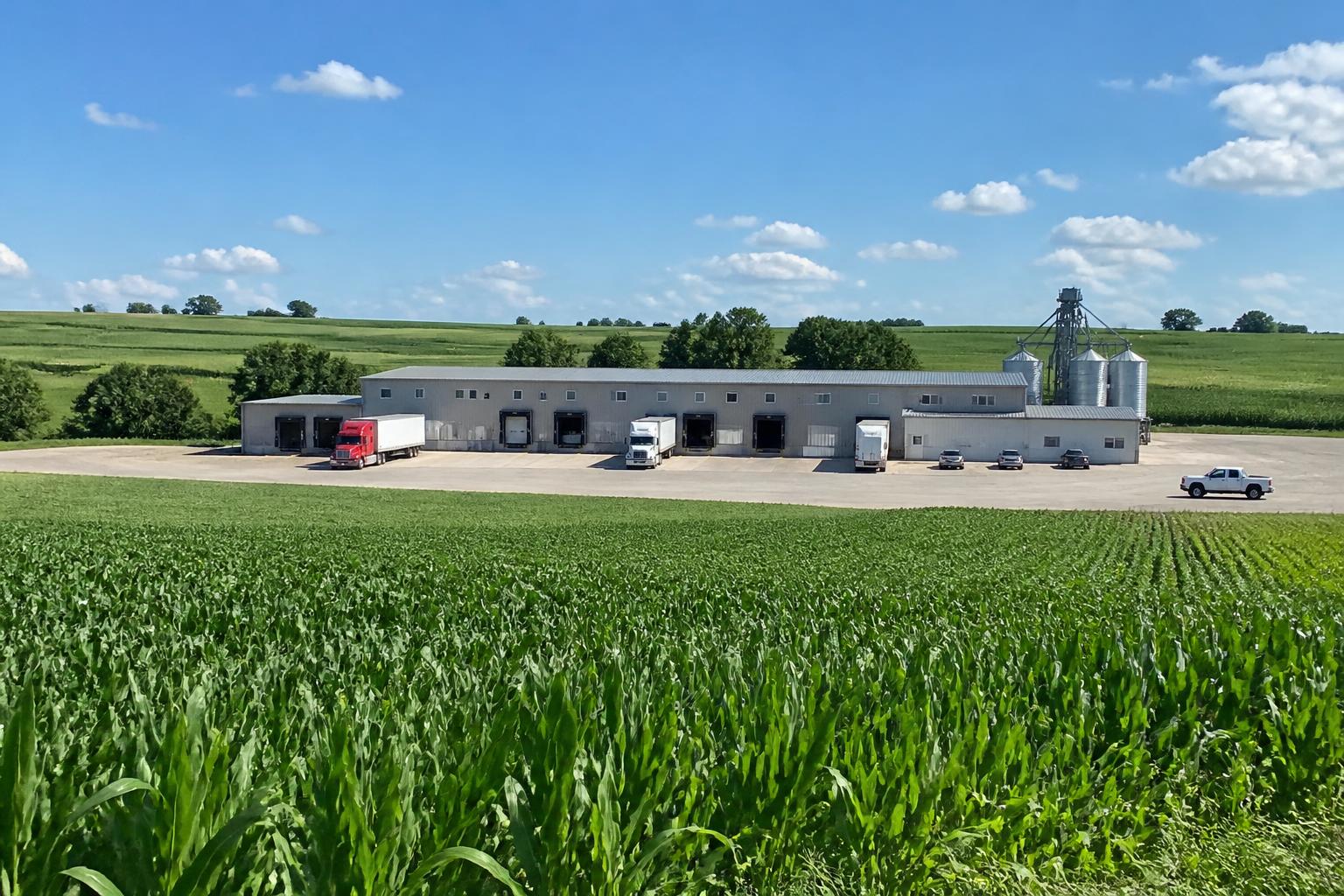
As Iowa farmers navigate the peak of the summer growing season, managing inputs and securing market access remain central to daily operations. Regional logistics expansions and shifting crop strategies are helping operators build resilience against ongoing economic headwinds. From infrastructure upgrades in Larchwood to new options in crop diversification, the state's agricultural landscape is adapting to support better margins and long-term sustainability.
Boosting Logistics and Supply Infrastructure
Iowa's transport and supply chains are receiving significant upgrades this season. In the northwest corner of the state, a new agricultural product logistics center in Larchwood is set to improve handling and distribution efficiency. Meanwhile, the rail network is also seeing major shifts, highlighted by Canadian National Railway's acquisition of the Iowa Northern Railway, a move driven by the expanding biofuels sector. These transport improvements are crucial as growers seek efficient paths to both domestic and export markets.
On the input side, new facilities are helping to secure vital crop nutrients locally. EuroChem recently cut the ribbon on a new fertilizer facility in Keokuk, enhancing the availability of nutrients in southeast Iowa. Additionally, Landus has brought its green ammonia plant online, introducing advanced fertilizer solutions to the region. Together, these developments offer local growers more reliable access to the inputs required to optimize yields, especially when navigating the Iowa summer grain outlook.
Diversification Through Small Grains
While corn and soybeans continue to dominate Iowa fields, many operators are exploring the benefits of crop diversification. Integrating small grains into crop management plans provides flexible marketing options, helps break pest cycles, and improves soil structure. Some producers are even looking at innovative new grains that support local water quality initiatives while feeding niche markets like regional brewing.
Diversification also acts as a financial hedge against volatile commodity prices. By incorporating crops with different planting and harvest windows, growers can better distribute their labor and machinery use across the seasons, reducing peak operational stress. This flexibility is increasingly valuable as producers face persistent market pressures on Iowa corn and seek alternative revenue streams to buffer their bottom lines.
Facing High Input Costs and Operational Stress
Despite these positive infrastructural steps, the summer season brings familiar worries. U.S. Senator Chuck Grassley recently highlighted the severe challenges facing producers, emphasizing high input costs and the rising mental stress felt across rural communities. Historically, unpredictable weather events, from summer droughts to sudden derecho storms, have underscored the vulnerability of local crops, keeping management decisions on a razor's edge.
To combat these pressures, industry organizations are focusing on developing future leaders and honoring farm legacy. For instance, the Iowa Corn Growers Association recently named 21 members to its new leadership class, preparing the next generation to advocate for the state's grain sector. At the same time, organizations continue to recognize long-term excellence, honoring several Iowa farm families as Master Farmers for their dedication to agricultural stewardship.
Key Takeaways
- Logistics Expansions: New facilities in Larchwood and Keokuk, alongside the Iowa Northern Railway acquisition, are strengthening regional grain and input logistics.
- Production Alternatives: Incorporating small grains offers agronomic benefits and helps hedge against corn and soybean market volatility.
- Input Relief: Local initiatives, such as the Landus green ammonia plant, aim to provide localized fertilizer supply options during periods of tight margins.
What it means for the market
For Iowa's agribusinesses and grain handlers, the focus this summer is on efficiency and risk mitigation. While high input costs and tight margins continue to squeeze farm-gate profitability, investments in localized blending facilities, rail access, and alternative cropping strategies are establishing a more robust infrastructure. Keeping a close eye on transport logistics and flexible crop options will be key to managing risk through the remainder of the crop year.
Comments
No comments yet - be the first to share your take.