
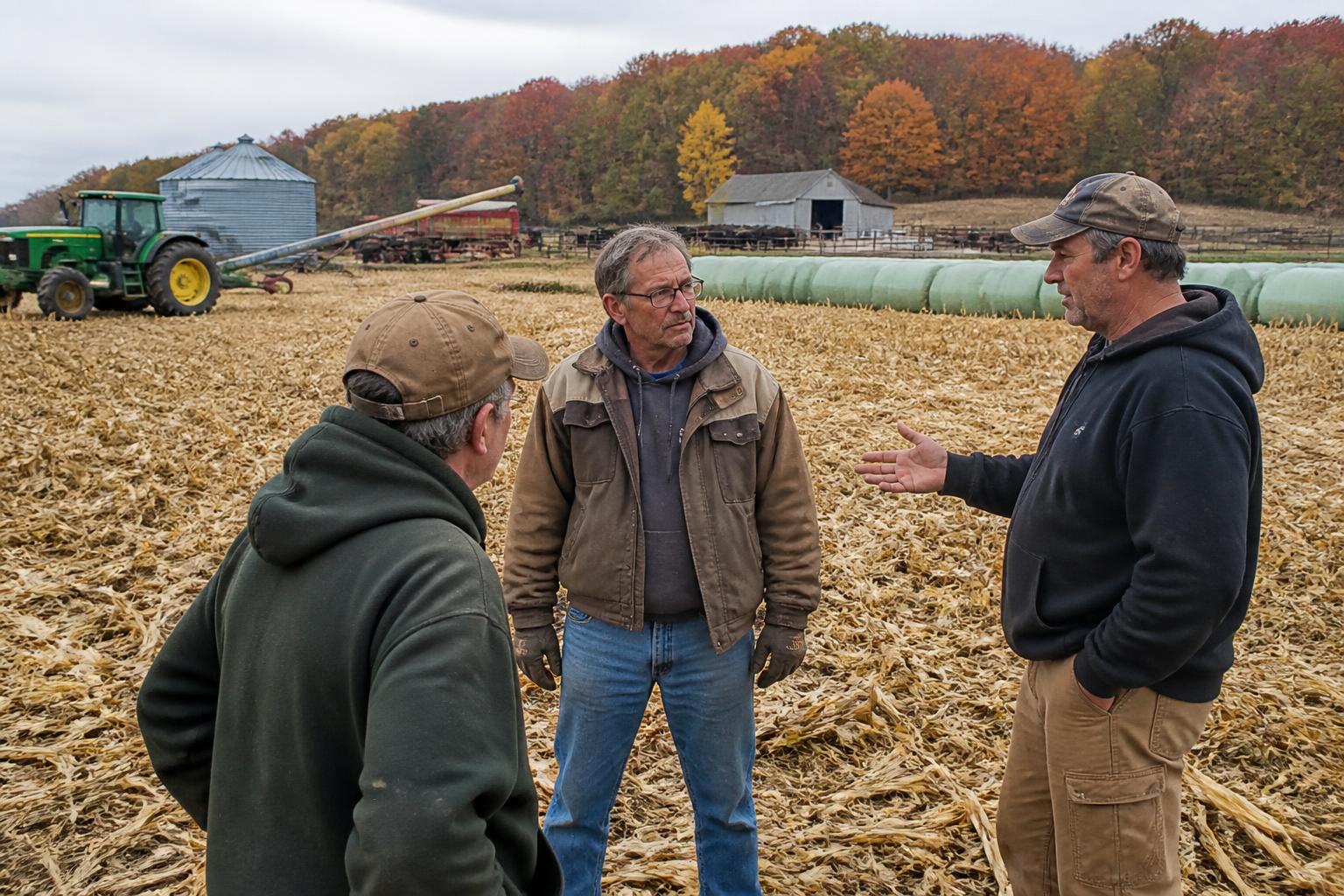
As we navigate the tail end of the fall season, Alaska's agricultural community continues to monitor the intersection of global supply chain volatility and regional operational costs. While local farmers are often focused on the logistics of harvest and winter preparation, the broader market landscape is increasingly influenced by shifts in input pricing, particularly regarding fertilizers.
International market reports suggest that geopolitical tensions in key production regions may contribute to price instability for vital agricultural inputs. For producers in the Matanuska-Susitna Valley and other northern agricultural hubs, these global fluctuations can quickly translate into higher procurement costs, complicating long-term planning for the upcoming growing season. Maintaining a robust strategic approach to infrastructure and input costs remains essential for local operations aiming to weather these cycles.
Global Market Impacts on Northern Production
The fertilizer market is currently reacting to a confluence of factors, including energy costs and international manufacturing capacity. While new phosphate production capacity is emerging in various parts of the globe, the lag time between international facility expansion and the arrival of affordable supply at the local level can create significant friction for Alaskan producers. Growers often find that their bottom lines are susceptible to these external market shocks, emphasizing the need for increased market resilience in the face of supply chain variability.
Strategic Planning for Resource Management
For many Alaskan agribusinesses, the current climate underscores the necessity of proactive inventory management. As the state continues to evaluate its agricultural footprint and potential for expansion, managing input costs becomes a central pillar of success. Efficiency in how farmers secure and store necessary nutrients can mitigate the risks posed by potential price spikes. This focus on long-term stability is vital, particularly as land protection and market stability remain at the forefront of the regional agricultural agenda.
What it means for the market
Producers should prepare for a period of continued price sensitivity in the fertilizer sector. While local factors like transportation logistics and the unique requirements of high-latitude growing remain primary concerns, global inputs are likely to fluctuate in the months ahead. Establishing strong relationships with input suppliers and monitoring global supply trends may offer a competitive advantage for Alaskan growers entering the next planning cycle.
Comments
No comments yet - be the first to share your take.