
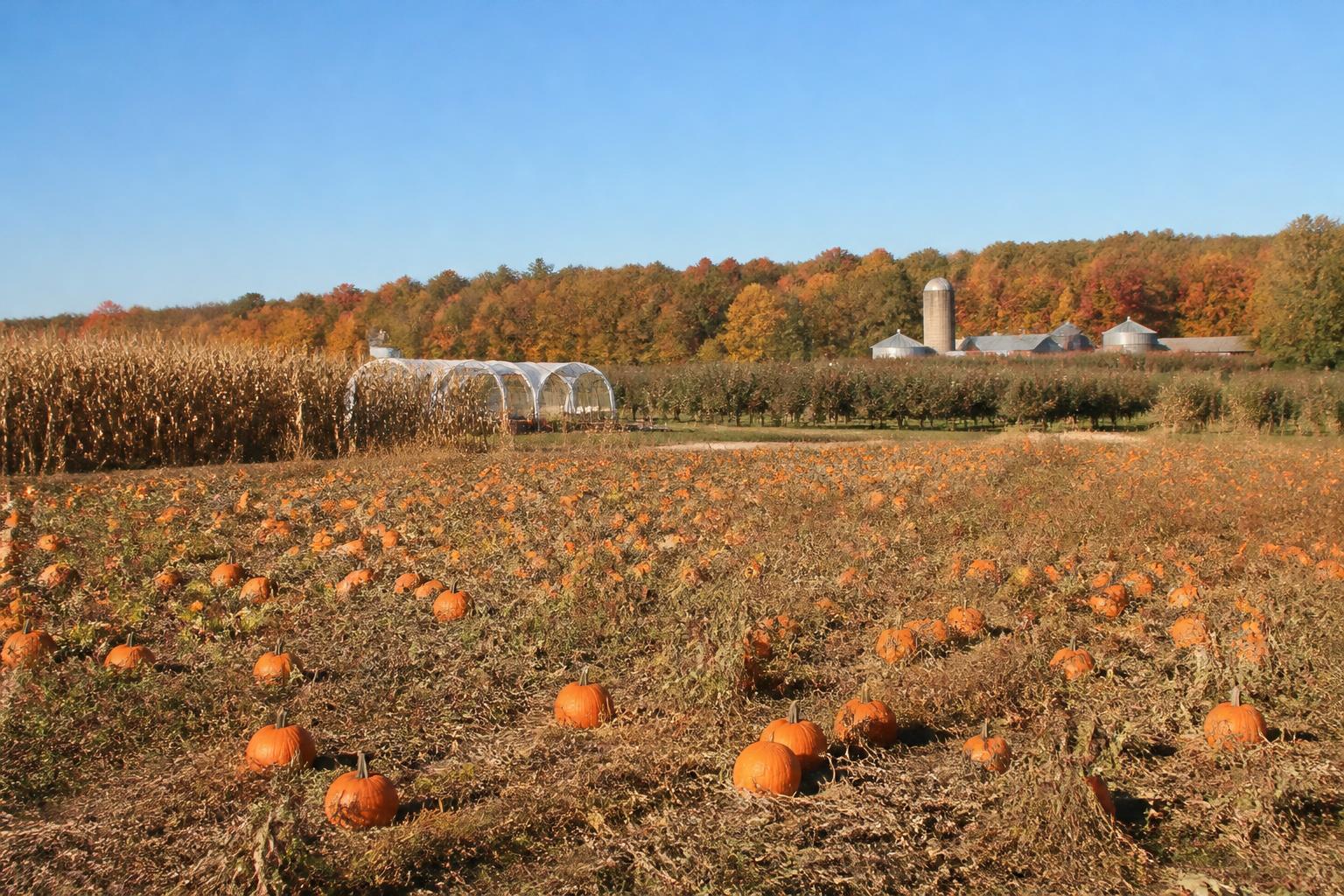
As Alaska enters the final stretch of the fall season, farmers and agribusinesses across the state are focusing on winter preparations and logistics management. With the growing season winding down, producers are increasingly looking toward protected growing tunnels to extend the availability of local produce and fruit trees, a practice that has gained traction in adapting to the state's challenging climate.
Input Costs and Logistics Realities
For many operators, managing the bottom line remains a top priority. Recent market observations highlight the ongoing pressure of elevated fuel costs, which can significantly impact transport-heavy operations. These logistical hurdles are a constant in navigating Alaska's supply chain, where the vast distances and dependence on reliable transport corridors demand tight management of inputs like diesel. Protecting margins while ensuring the steady movement of goods requires a cautious approach to seasonal spending.
Expanding Frontiers in Local Agriculture
Beyond traditional produce, the state is seeing continued interest in diversifying its agricultural base. Kelp farming, for instance, is currently under review as a potential next-generation commodity. While still in its budding stages, this industry represents a significant opportunity for coastal regions to leverage Alaska's natural environment for high-demand agricultural output.
What it means for the market
The Alaska agricultural landscape is defined by its resilience. Farmers who prioritize investments in season-extending infrastructure and remain vigilant regarding regional transport costs are better positioned to navigate the complexities of the northern market. As the sector matures, the focus remains on building self-sufficiency and creating more robust, localized distribution networks to mitigate the risks associated with external market volatility.
Comments
No comments yet - be the first to share your take.