
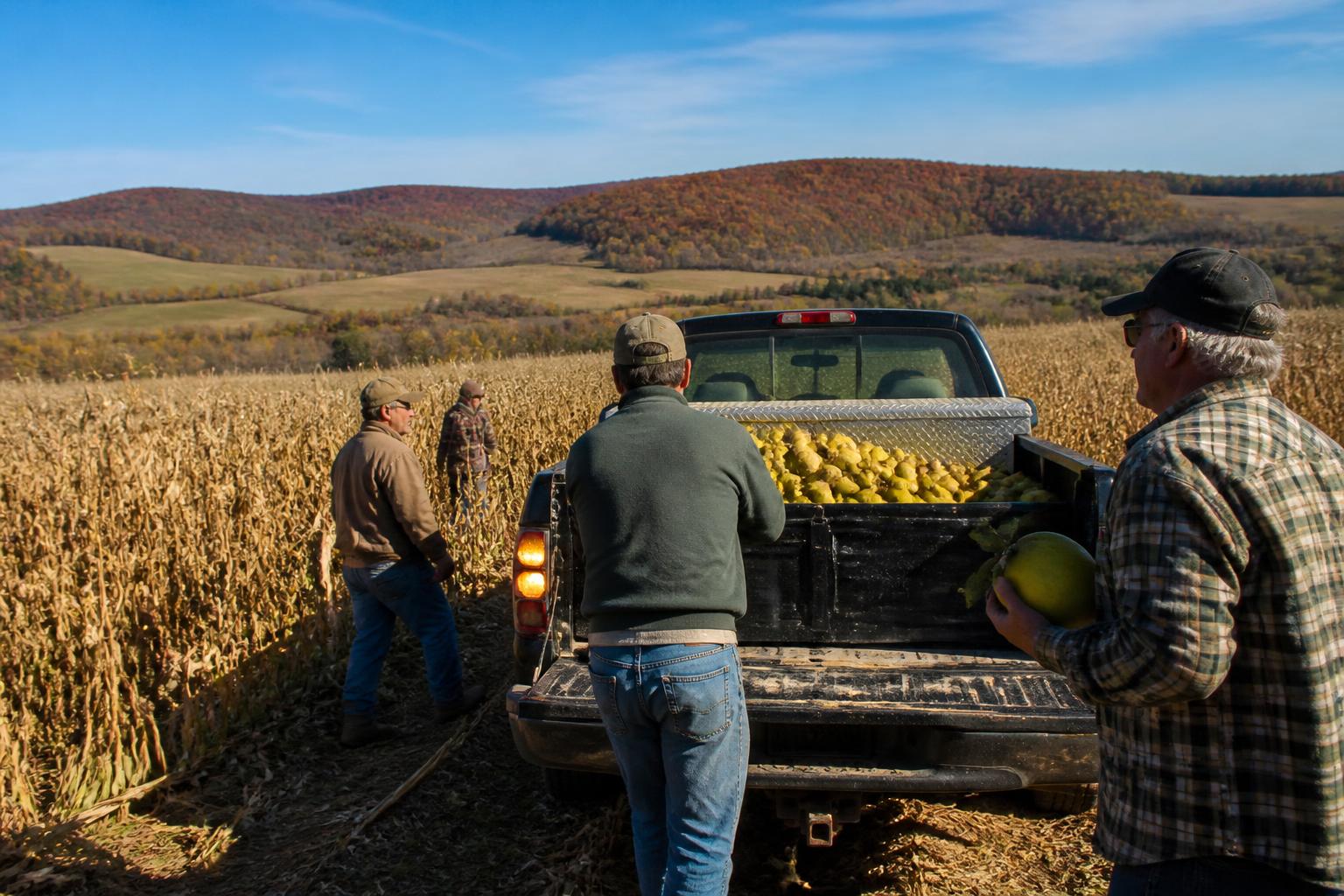
For Alaska's agricultural stakeholders, the transition through the final stretch of the fall season often highlights the critical necessity of a robust, reliable supply chain. As harvest activities wrap up and preparations for winter logistics intensify, the focus across the state remains on sustaining the flow of essential goods from the farm gate to market. The unique geographic realities of the North, combined with the complexities of moving specialized agricultural inputs, continue to shape how local operations manage their distribution strategies.
Building Logistics Resilience
Supply chain reliability is rarely a passive endeavor in Alaska. Regional agricultural businesses and logistics providers are increasingly looking for ways to fortify their transport capacity, whether through strategic investments in infrastructure or by consolidating services to better manage the volatility that can occasionally impact regional fuel and freight availability. Developing integrated logistics networks remains a top priority for producers looking to minimize the risks associated with the state's long-distance transport routes and heavy reliance on intermodal freight.
Managing Costs and Operational Efficiency
Agricultural input costs, particularly for diesel, remain a perennial consideration for farmers and transporters. In an environment where logistics represent a significant portion of the final product's cost, operational efficiency is paramount. Producers in regions such as the Matanuska-Susitna Valley or the interior often evaluate their fuel consumption and transport schedules with heightened scrutiny during the fall months, ensuring that resource allocation is optimized before the harsher winter conditions set in. By focusing on local, efficient management practices, agribusinesses can better shield themselves from the broader, unpredictable fluctuations in global energy markets that often reverberate through smaller, isolated markets.
What it means for the market
For those involved in the Alaska agricultural sector, the market outlook remains cautious but focused on long-term infrastructure health. Future success relies on a combination of sustainable conservation practices and continued investment in the logistical frameworks that keep regional commodities moving. As winter approaches, maintaining fluid communication between farmers, fuel suppliers, and transport firms will be the best defense against potential seasonal supply chain bottlenecks.
Comments
No comments yet - be the first to share your take.