
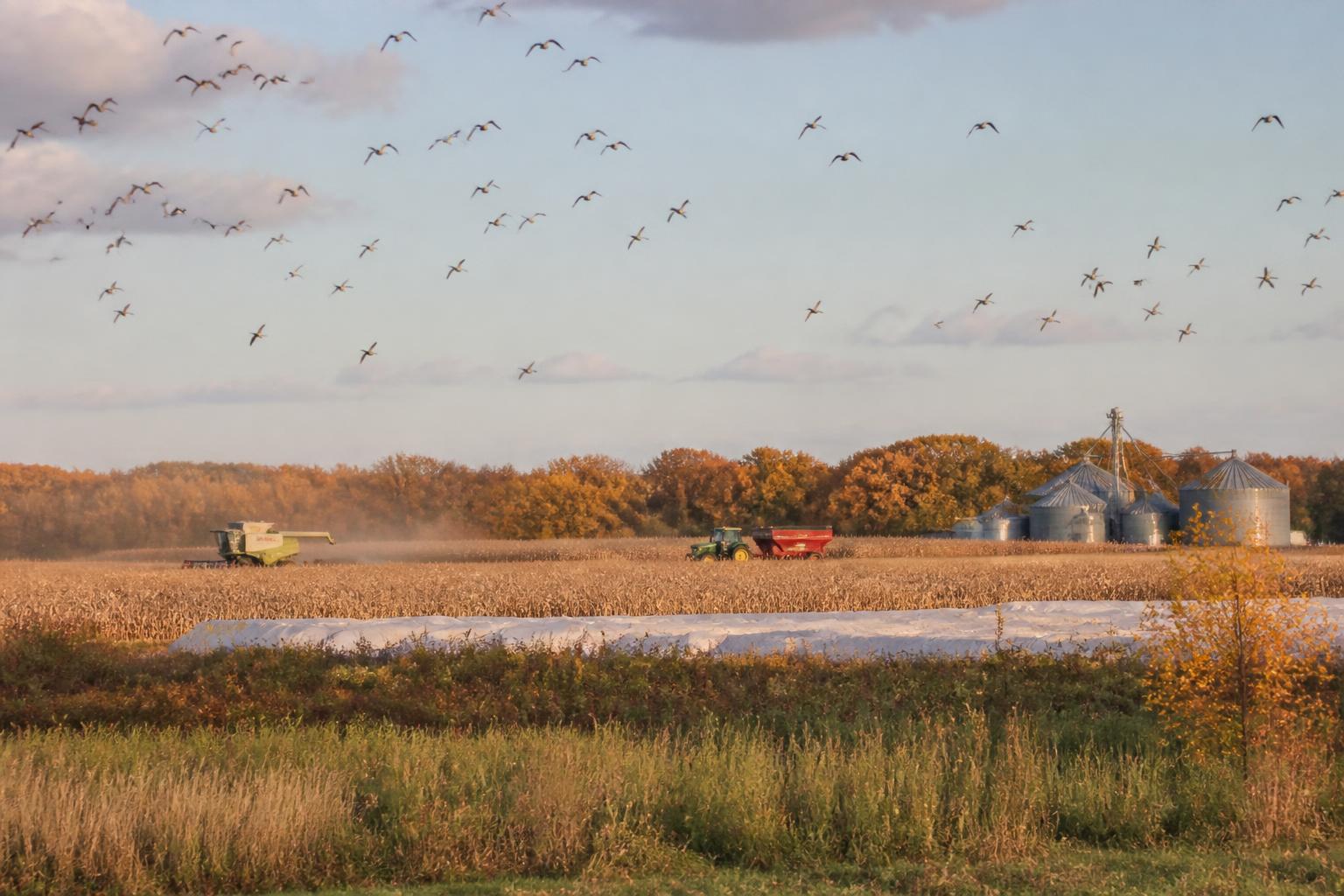
Alaska’s agricultural landscape is navigating a transition where the pressure of local land development often competes with the vital need to preserve productive acreage. For many multi-generational operations, securing land rights has become a cornerstone of long-term business strategy. This movement toward permanent protection ensures that historic farms remain available for food production, supporting the resilience of local supply chains that are crucial in the northern climate.
Preserving Land for Future Generations
The dedication of significant tracts of farmland to agricultural easements is a primary tool for producers looking to fix their operating footprint in an era of shifting demographics. By establishing these protections, farmers can effectively insulate their land from the volatility of non-agricultural real estate development. This stability allows for better long-term planning regarding infrastructure investment, helping producers manage their input costs and grain handling capabilities with greater confidence.
Input Markets and Operational Stability
As the state’s agricultural sector continues to develop, market stability remains a key objective for producers and agribusinesses alike. Global industry trends, including anticipated stabilization in crop protection markets for the coming year, suggest that the supply side of the farm business may soon see more predictable pricing models. For Alaska's farmers, this reliability is essential when integrating new technologies or upgrading field equipment to navigate the unique challenges of the state's logistics networks.
Key Takeaways for Producers
- Land Continuity: Conservation easements are increasingly utilized to prevent the conversion of historic farmland into residential or commercial zones.
- Input Trends: Global forecasts for crop protection chemicals point toward a steadier market landscape heading into 2027.
- Strategic Planning: Protecting the land base provides the necessary foundation for capital investments in storage and processing equipment.
What it means for the market: The push to protect agricultural land in Alaska signals a maturation of the local sector. By securing the physical foundation of their operations, producers are better positioned to weather the logistical and seasonal variables inherent in Alaskan farming, ultimately creating a more robust and self-sustaining regional supply chain.
Comments
No comments yet - be the first to share your take.