
Cold Chain Capacity Expands in Portland
The upcoming opening of a new, state-of-the-art freezer warehouse in Portland represents a major milestone for Maine's temperature-controlled supply chain. Situated close to critical transport corridors, this facility is designed to support the state's expanding agricultural and seafood sectors. Local seafood, wild blueberries, and the booming aquaculture industry rely heavily on seamless refrigeration to reach domestic and international buyers without losing value.
By offering expanded freezing and storage options directly within the state, the new facility helps reduce the reliance on out-of-state warehouses. This local capacity minimizes transport legs, lowers fuel costs, and helps producers maintain the strict temperature controls required for delicate agricultural cargo.
Trucking Consolidation and Fleet Upgrades
As logistics demands shift, regional carrier capacity is also evolving. The trucking market in Maine has seen notable activity, highlighted by Bison Transport's acquisition of its second Maine-based carrier. This consolidation points to a growing emphasis on securing robust, reliable freight capacity in the Northeast corridor, ensuring that local agricultural goods have consistent access to over-the-road transport.
To support these operations, equipment finance firms continue to provide essential capital to Maine's transport sector. Access to financing allows local carriers and farm operators to upgrade their truck fleets and refrigerated trailers, which is especially important during the demanding summer shipping season. Modern, reliable fleets reduce the risk of roadside breakdowns, which can be catastrophic for perishable agricultural shipments.
Connecting Farm-Gate Logistics to the Highway
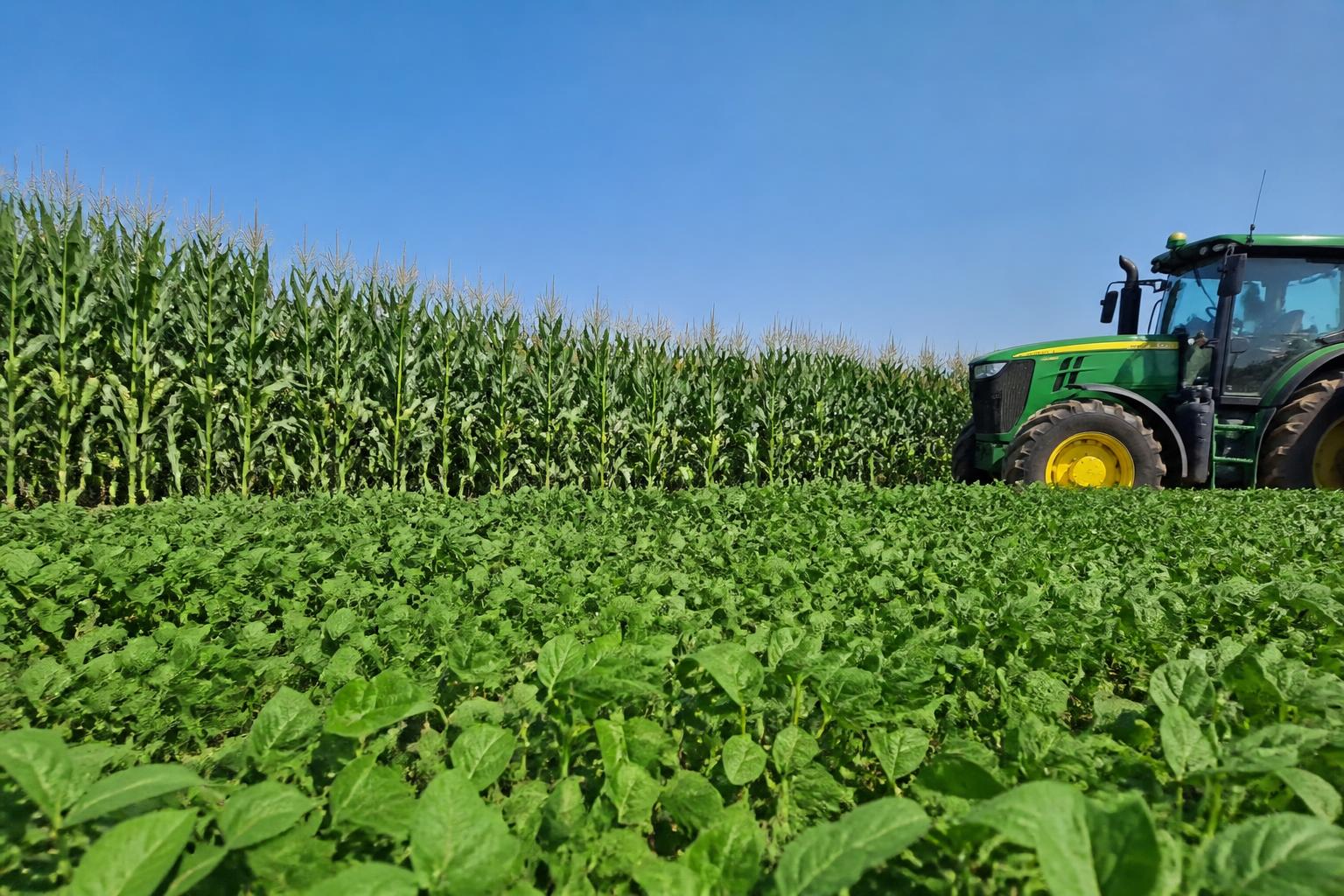
Maine's diverse food economy - stretching from the potato fields of Aroostook County to coastal seaweed farms - requires highly coordinated transportation strategies. Ensuring that summer crops are protected before they even reach the highway is a critical first step in the logistics chain. Producers must focus on early-stage crop protection and proper handling to guarantee that only the highest quality product enters the transport system. For more on this, agribusinesses can review strategies for managing potato supply chains during the summer harvest to protect their investments prior to shipping.
Key Takeaways for Maine Shippers
- Enhanced Cold Chain: The near completion of the Portland freezer warehouse provides local producers with critical temperature-controlled storage, reducing transit distances.
- Stabilized Trucking Capacity: Carrier acquisitions and fleet consolidations are strengthening the reliability of regional freight routes.
- Equipment Investments: Access to equipment financing helps transport providers modernize their fleets, reducing transit risks for temperature-sensitive cargo.
What it means for the market
Improved logistics infrastructure and more consolidated trucking options will likely ease bottleneck pressures for Maine's summer shippers. With robust carrier capacity and new local freezing options, agricultural and seafood producers can expect more reliable transit times and better quality preservation for their perishable cargo as they navigate the busy summer marketing window.
Comments
No comments yet - be the first to share your take.