
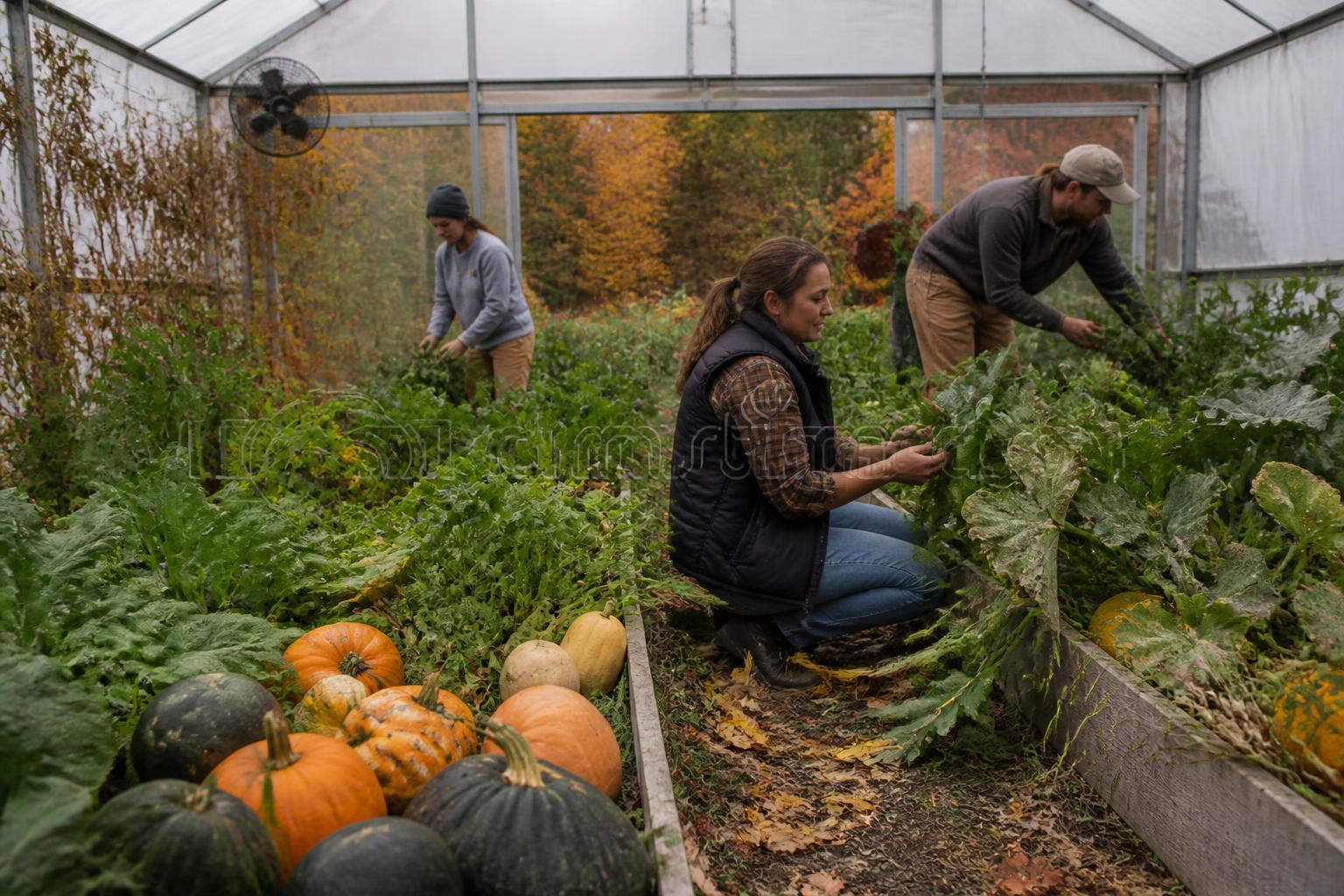
As the harvest season draws to a close across the Granite State, regional agricultural producers are shifting their focus from active field management to winter preparations. In New Hampshire, the transition period often involves securing greenhouse infrastructure and finalizing crop protection strategies to ensure operational resilience during the colder months.
For those involved in protected agriculture, maintaining consistent output is becoming a priority. Recent industry discussions have emphasized the importance of integrated pest management within greenhouse environments, which remains a critical tool for maintaining quality yields as producers look toward the off-season. Effectively strengthening harvest outcomes depends largely on how well growers manage these internal climate and pest pressures.
Market Stability and Regional Logistics
Market data from the Boston terminal indicates that vegetable prices have remained steady-to-firm into early November. This stability provides a predictable pricing environment for regional growers navigating the logistics of the late-season supply chain. In many parts of New Hampshire, balancing the costs of inputs with steady market demand is essential, especially as growers also contend with the complexities of scaling operations through these seasonal shifts.
Transportation logistics and land use continue to be key discussion points for the state's agricultural community. As conservation efforts persist regarding roadless areas and local zoning, farmers are encouraged to stay informed on regional land policy, which can impact the long-term feasibility of expanding or modifying farm infrastructure.
What it means for the market
The current market landscape suggests a period of relative consistency for New Hampshire producers. While global and federal agricultural policy debates—including ongoing discussions regarding farm costs and potential subsidies—continue to evolve, the local focus remains on stabilizing seasonal operations. Growers who prioritize proactive pest management and monitor regional terminal pricing will be best positioned to mitigate risks and maintain cash flow as the industry enters the winter lull.
Comments
No comments yet - be the first to share your take.